The adoption of standardized food-grade containers is the single most critical factor in transitioning honey from a raw agricultural commodity to a high-value retail product.
These containers provide an essential airtight barrier that prevents moisture absorption and contamination, safeguarding the honey's chemical stability. Simultaneously, adhering to standardized sizes (such as 250g, 500g, or 1kg) allows producers to overcome retail barriers, enabling entry into supermarkets and department stores where consistent branding and volume are mandatory.
Core Takeaway
Using standardized food-grade packaging solves the dual challenge of biological preservation and market viability. It protects honey’s hygroscopic nature from fermentation and chemical leaching while transforming it into a branded consumer good capable of commanding price premiums in formal retail channels.
Preserving Chemical Integrity and Quality
To maintain the value of honey, you must protect its unique chemical composition. The choice of packaging material is not merely aesthetic; it is a safety requirement.
Combating Moisture Absorption
Honey is naturally hygroscopic, meaning it attracts and holds water molecules from the surrounding environment.
High-quality food-grade containers provide the necessary airtight seal to block atmospheric moisture. Without this hermetic sealing, moisture levels in the honey rise, leading to fermentation and inevitable spoilage.
Preventing Chemical Contamination
Honey is naturally weakly acidic.
This acidity can react with improper packaging materials. You must use certified food-grade plastic or glass to prevent the migration of harmful substances from the container into the honey. This ensures the product remains pure for chemical analysis and safe for consumption.
Protecting Flavor and Bioactivity
Standardized containers protect the unique flavor profile and nutritional activity of the honey.
By creating a barrier against environmental pollutants and dust, these containers preserve the natural bioactive components that consumers pay a premium for.
Unlocking Economic Value and Market Access
Beyond preservation, standardized packaging is the primary mechanism for increasing the economic value of the product.
Overcoming Retail Barriers
Major retail channels, such as supermarkets and department stores, rarely accept bulk or non-standardized products.
Adopting recognized sizes like 250g, 500g, or 1kg facilitates entry into these high-value markets. It signals professionalism and reliability to retail buyers.
Enhancing Brand Recognition
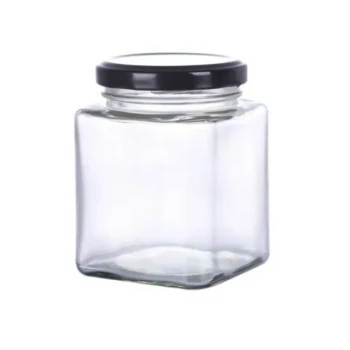
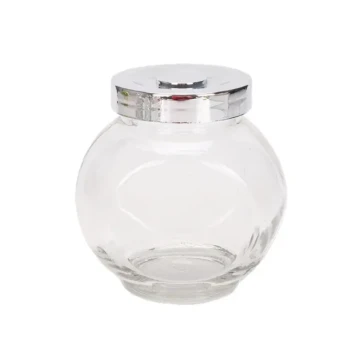
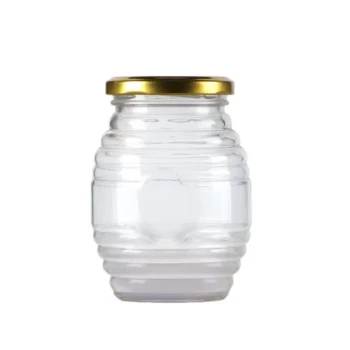
Glass jars and professional containers serve as the canvas for your brand.
They allow for the application of professional labeling, which provides essential product information and quality assurance. This transforms raw honey into a distinctive brand, fostering consumer loyalty and differentiating your product from generic bulk sales.
Securing Price Premiums
Standardized packaging enables "uniform market penetration."
By presenting a consistent product, small-scale producers can move away from low-margin bulk sales. This shift allows them to capture higher price premiums associated with branded, retail-ready goods.
Understanding the Trade-offs
While standardized packaging is essential for growth, it introduces specific logistical considerations that must be managed.
Glass vs. Plastic Logistics
Glass jars offer superior aesthetics and an impermeable barrier, making them ideal for premium branding. However, they are heavy and fragile, increasing shipping costs and breakage risks.
Food-grade plastic is durable and lightweight, reducing logistics costs, but it lacks the "premium" perception of glass. It is critical to verify the plastic quality to ensure no chemical interaction with the honey's acidity over long periods.
Upfront Investment vs. Long-Term Value
Moving from bulk storage to standardized retail packaging requires investment in inventory management.
You must manage a wider variety of SKU (Stock Keeping Unit) sizes. However, this complexity is the necessary trade-off for accessing the economic value-add of the formal retail market.
Making the Right Choice for Your Goal
Selecting the correct container strategy depends on your specific position in the value chain.
- If your primary focus is Premium Retail Access: Prioritize standardized glass jars (250g/500g) with high-quality labeling to maximize shelf appeal and command the highest price point.
- If your primary focus is Cost-Effective Distribution: Utilize high-quality food-grade plastic containers to minimize weight and breakage while strictly maintaining an airtight seal to prevent fermentation.
- If your primary focus is Brand Consistency: Adhere strictly to standard market sizes (e.g., 500g, 1kg) to ensure your product fits standard shelf layouts and meets consumer volume expectations.
Ultimately, the container is the final guarantor of your product's quality and the first indicator of its value to the consumer.
Summary Table:
| Feature | Glass Jars | Food-Grade Plastic | Impact on Value Chain |
|---|---|---|---|
| Preservation | Impermeable; Best for chemical stability | Lightweight; Durable airtight seals | Prevents fermentation and moisture absorption |
| Market Appeal | Premium perception; High shelf value | Cost-effective; Easy to transport | Overcomes retail barriers for supermarkets |
| Safety | Non-reactive with acidic honey | Must be certified to prevent leaching | Ensures food safety and chemical integrity |
| Standard Sizes | 250g, 500g, 1kg | 500g, 1kg, 2kg+ | Enables brand recognition and price premiums |
Elevate Your Honey Brand with HONESTBEE
Transitioning from raw honey to a high-value retail brand requires more than just quality honey—it requires the right tools and packaging. HONESTBEE empowers commercial apiaries and distributors with everything needed to dominate the honey value chain. From precision honey-filling machines that ensure standardized volumes to a full spectrum of premium beekeeping tools and equipment, we provide the hardware necessary for professional growth.
Whether you are scaling your extraction process or seeking high-quality consumables for distribution, our wholesale solutions are designed to maximize your efficiency and market reach. Contact HONESTBEE today to discover how our comprehensive equipment portfolio can help you secure higher price premiums and professionalize your honey production.
References
- Padam Lal Bhandari, Rishi Ram Kattel. Value Chain Analysis of Honey Sub-sector in Nepal. DOI: 10.3126/ijasbt.v8i1.27804
This article is also based on technical information from HonestBee Knowledge Base .
Related Products
- Classic Honey Bear Jars with Flip Top Dispensing Cap for Liquid Sweeteners
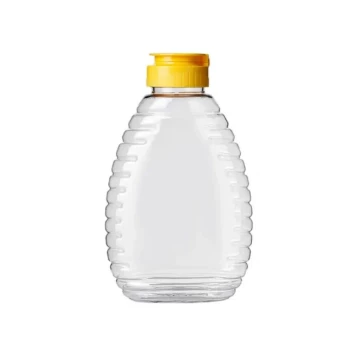
- Squeezable No-Drip Beehive-Shaped Honey Jars with Flip-Top Cap
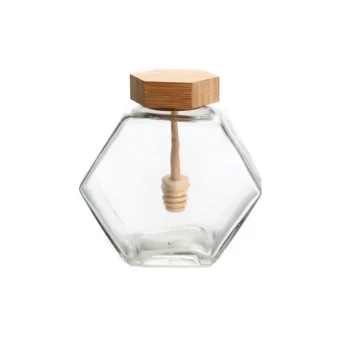
- Hexagonal Glass Honey Jar with Wooden Lid Integrated Dipper Elegant Functional Storage
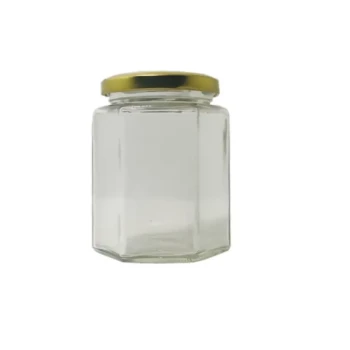
- Hexagonal Glass Honey Jars with Metal Lug Caps Elegant Versatile Packaging
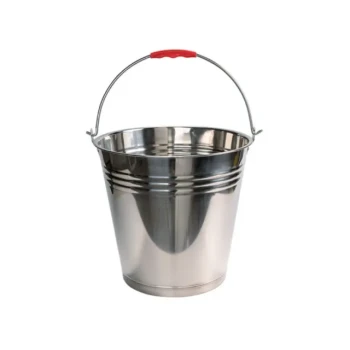
- Premium Stainless Steel Honey Tank Bucket Pail with Reinforced Handle and Polished Finish
People Also Ask
- What food safety standards must honey containers meet? Expert Guide to Packaging Integrity & Hygiene
- Why is it important to distinguish between weight and volume when selecting honey containers? Maximize Profits Now
- What are the benefits of purchasing honey containers in bulk? Maximize Margins & Secure Your Supply Chain
- What should be considered when choosing a container for honey to ensure effective sealing? Master Honey Packaging Success
- What is the best container to store honey in? Preserve Purity & Flavor for Years