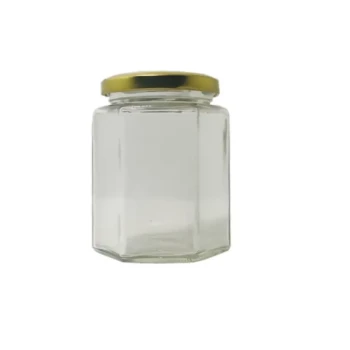
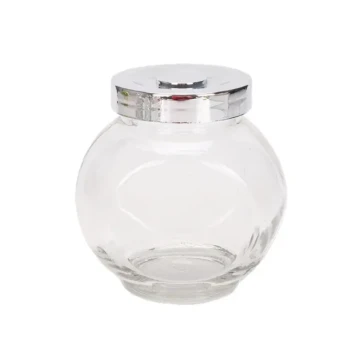
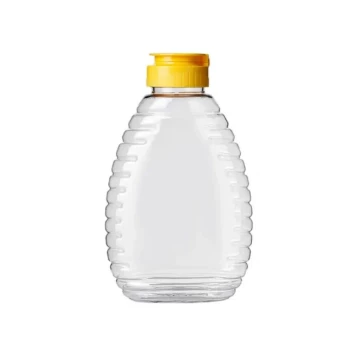
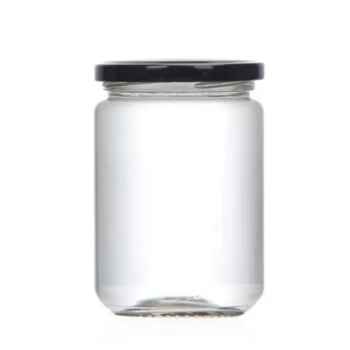
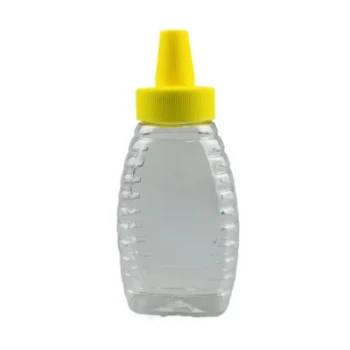
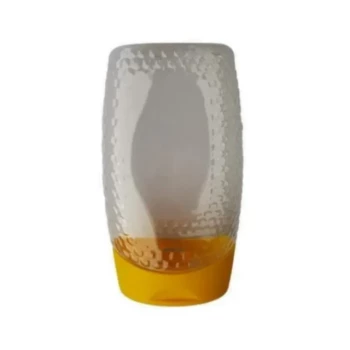
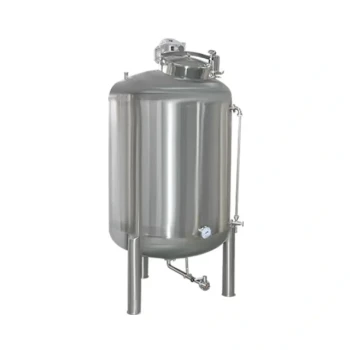
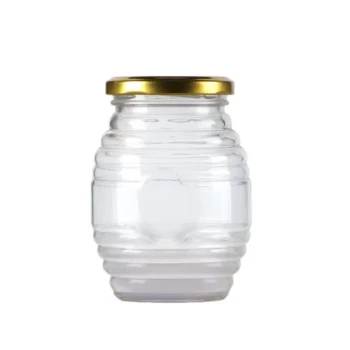
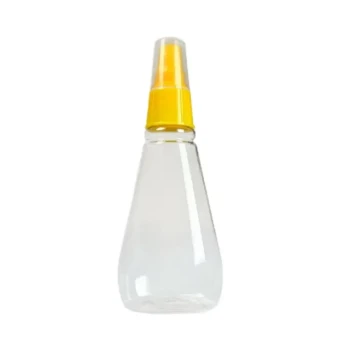
The adoption of 600 ml containers for forest honey is primarily a strategic move to establish a standardized unit of measurement across the market. This specific volume optimizes the supply chain by facilitating uniform pricing structures, improving distribution efficiency, and ensuring the product remains protected from environmental contamination during transit.
Core Takeaway: The 600 ml standard serves as a logistical anchor, allowing producers to balance the physical protection of the product with the economic requirement for consistent yield statistics and streamlined market distribution.
The Strategic Value of Standardization
Establishing Uniform Pricing
By converging on a 600 ml capacity, producers create a consistent baseline for value. This standardization allows for uniform pricing strategies, making it easier for retailers and consumers to compare value without calculating price-per-volume variances.
Optimizing Distribution Efficiency
A standardized container size eliminates variables in the logistics chain. It simplifies the packing, stacking, and shipping processes, ensuring that space is utilized efficiently during transport.
Streamlining Inventory Management
Using a fixed size aids in yield statistics. It provides a precise measurement base for inventory management, allowing producers to accurately track output and stock levels.
Protection and Product Integrity
Preventing Environmental Contamination
The primary function of the 600 ml container is to isolate the honey from external threats. A properly sealed container prevents environmental contamination, ensuring that dust, microbes, and foreign particles do not compromise the product during transport and storage.
Extending Shelf Life through Barrier Properties
While the size is standard, the container's ability to act as a barrier is critical. The container must prevent air penetration and moisture absorption, which can lead to oxidation or fermentation.
Facilitating Visual Assessment
Standardized containers, particularly those made of clear materials, allow for immediate quality checks. They enable the visual assessment of color and crystallization, which are key indicators of forest honey quality.
Understanding Material Trade-offs
Glass: The Premium Barrier
Glass is often the preferred material for these containers due to its chemical inertness. It offers superior protection against oxygen and odors, preserving the natural aroma and extending shelf life, though it poses a higher risk of breakage.
Plastic: The Logistical Efficiency
Plastic containers are frequently selected for their durability and low weight. They significantly reduce the risk of breakage during long-distance transit and lower shipping costs, but they may not offer the same premium perception or long-term barrier properties as glass.
Making the Right Choice for Your Goals
When selecting the specific type of 600 ml container for your operation, consider your distribution model:
- If your primary focus is premium retail: Prioritize glass containers to maximize shelf life, preserve aroma, and enhance brand image through superior visual presentation.
- If your primary focus is bulk distribution: Prioritize high-quality plastic containers to minimize breakage risks and reduce transport costs over long distances.
Standardization is the key to transforming a natural product into a reliable, tradeable commodity.
Summary Table:
| Key Factor | Benefit of 600ml Standardization |
|---|---|
| Market Pricing | Creates a consistent baseline for uniform pricing and easy value comparison. |
| Logistics | Simplifies stacking and shipping while maximizing transport space. |
| Protection | Provides a robust barrier against environmental contamination and moisture. |
| Inventory | Facilitates accurate yield statistics and streamlined stock management. |
| Quality Control | Enables consistent visual assessment of honey color and crystallization. |
Elevate Your Apiary Operations with HONESTBEE
Are you a commercial apiary or distributor looking to streamline your forest honey production? HONESTBEE specializes in supporting the honey industry with a comprehensive wholesale offering. From specialized honey-filling machines designed for standardized 600ml containers to a full spectrum of beekeeping tools and machinery, we provide the hardware and consumables you need to scale your business.
Why partner with us?
- Precision Engineering: High-efficiency equipment for consistent packaging.
- Industry Expertise: Solutions tailored for high-volume commercial honey production.
- Complete Support: We supply everything from hive-making machines to honey-themed cultural merchandise.
Ready to optimize your supply chain and enhance your product's market value? Contact us today to discover how HONESTBEE can empower your growth!
References
- Daud Malamassam. Development of model for honey bee management in hasanuddin university educational forest. DOI: 10.1088/1755-1315/486/1/012027
This article is also based on technical information from HonestBee Knowledge Base .
Related Products
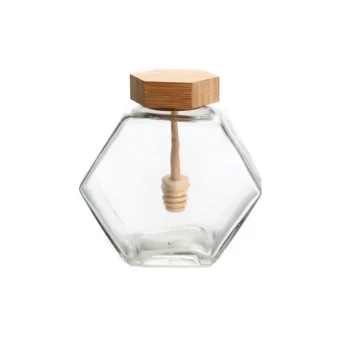
- Hexagonal Glass Honey Jar with Wooden Lid Integrated Dipper Elegant Functional Storage
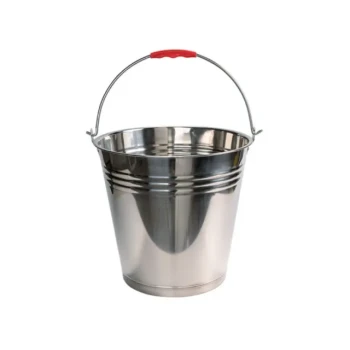
- Premium Stainless Steel Honey Tank Bucket Pail with Reinforced Handle and Polished Finish
- Stainless Steel Honey Storage Tank with Lid for Honey
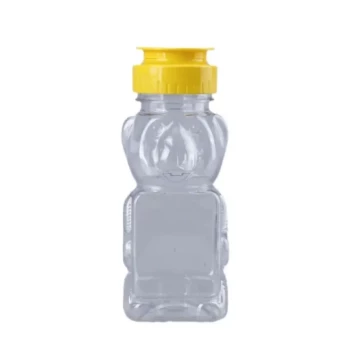
- Classic Honey Bear Jars with Flip Top Dispensing Cap for Liquid Sweeteners
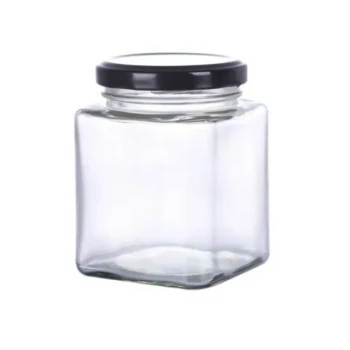
- Modern Square Glass Honey Jar with Twist Off Lid
People Also Ask
- What are the benefits of glass jars regarding strength and safety for storing honey? Ensure Purity and Long-Term Quality
- What are the advantages of using glass jars for honey storage? Ensure Purity and Premium Appeal for Your Product
- What is the aesthetic appeal of using glass jars for honey? Elevate Your Brand with Premium Packaging
- What are the advantages of glass containers for honey? Elevate Quality and Market Value with Premium Packaging
- What are the benefits of using high-transparency Glass Jars for honey? Elevate Purity and Premium Branding