The use of industrial-grade large-capacity plastic containers provides a critical advantage in preserving the chemical stability and physical purity of forest honey. These containers are specifically engineered to resist the corrosive effects of natural honey acids while offering high impact resistance for transport across rugged terrain. Most importantly, their superior sealing capabilities create an impermeable barrier against external contaminants, ensuring the raw honey remains pristine from harvest to processing.
The transition to high-quality plastic storage is a fundamental shift in quality control. By creating a sealed, chemically inert environment, producers effectively neutralize honey’s hygroscopic tendency to absorb moisture, thereby preventing fermentation and ensuring compliance with strict international hygiene standards.
Preserving Chemical and Physical Integrity
Chemical Stability Against Acids
Forest honey is naturally acidic. Using chemically stable industrial-grade plastic ensures that the container does not react with these acids.
Unlike some metals or improperly treated materials, high-quality plastic prevents the leaching of container materials into the honey. This preserves the honey's natural pH value and mineral content, ensuring the product remains chemically unaltered.
Prevention of Oxidation and Flavor Loss
Industrial-grade containers provide a robust seal that strictly controls contact between the honey and ambient air.
This isolation is vital for preventing oxidation, which can degrade the honey's quality over time. By limiting air exposure, these containers help retain the original biochemical indicators and complex flavor profiles that define premium forest honey.
Managing Hygroscopy and Contamination
Combating Moisture Absorption
Honey is highly hygroscopic, meaning it naturally attracts and holds water molecules from the surrounding environment.
If honey absorbs atmospheric moisture, its water content rises, creating an environment conducive to fermentation and spoilage. The superior sealing of industrial plastic buckets creates a moisture-proof barrier, stabilizing the honey’s viscosity and preventing fermentation during storage.
The Hygiene Barrier
In complex outdoor environments, raw honey is vulnerable to dust, forest debris, and biological contaminants.
Compared to traditional methods—such as goatskins, fertilizer bags, or woven sacks—industrial plastic containers offer a significantly higher standard of hygiene. They act as a quality protection barrier, ensuring that the honey meets the rigorous sanitary requirements often demanded by international markets like the European Union.
Optimization for Rugged Logistics
Impact Resistance on Difficult Terrain
Forest honey is often harvested in remote, geographically challenging locations that require manual or mechanical transport over rough ground.
Traditional vessels like clay pots or gourds are fragile and prone to breakage, leading to product loss. Industrial-grade plastic is designed for high impact resistance, solving the fragility issue and ensuring the yield survives the journey from the collection site to the depot.
Lightweight Efficiency
In addition to being durable, these plastic containers are significantly lighter than traditional clay or wooden options.
This reduction in tare weight facilitates easier handling and reduces the physical burden on laborers. It streamlines the logistics of moving large volumes of product, making the supply chain more efficient and cost-effective.
Understanding the Trade-offs
The Necessity of Food-Grade Certification
While "industrial-grade" implies durability, it is imperative to ensure the plastic is also explicitly food-grade.
Not all industrial plastics are safe for prolonged contact with acidic food products. Using non-certified plastic can introduce chemical contaminants, defeating the purpose of upgrading from traditional materials.
Cleaning and Residual Odors
Plastic containers are reusable, but they require rigorous cleaning protocols.
Because plastic can occasionally retain odors, improper cleaning between batches can lead to flavor contamination. Operators must ensure containers are fully sanitized and neutral before re-use to maintain the purity of the forest honey.
Ensuring Quality Across the Supply Chain
To maximize the value of your honey harvest, select containers based on your specific logistical and market needs.
- If your primary focus is International Export: Prioritize containers with verified food-grade certification and hermetic seals to meet strict EU hygiene and moisture standards.
- If your primary focus is Transport Efficiency: Select high-impact, stackable plastic drums to minimize breakage and maximize volume during transport over rugged terrain.
By standardizing your storage hardware to industrial-grade plastic, you secure the biological stability of your product and protect its commercial value in the global market.
Summary Table:
| Feature | Advantage for Forest Honey | Benefit to Producers |
|---|---|---|
| Chemical Stability | Resistant to honey's natural acids | Prevents leaching and maintains purity |
| Hermetic Sealing | Blocks air and atmospheric moisture | Prevents fermentation and oxidation |
| High Impact Resistance | Durable against drops and rough handling | Reduces product loss in rugged terrain |
| Hygroscopic Control | Creates an impermeable moisture barrier | Maintains viscosity and shelf stability |
| Lightweight Design | Lower tare weight compared to clay/wood | Increases logistical efficiency and ease of use |
Secure Your Honey Harvest with Professional Solutions
Maintaining the integrity of forest honey requires more than just a vessel; it demands professional-grade equipment that meets international standards. HONESTBEE caters to commercial apiaries and distributors with a comprehensive wholesale offering designed to protect your product's value. From food-grade storage containers and honey-filling machines to a full spectrum of specialized beekeeping tools and machinery, we provide the hardware necessary to scale your operations.
Ready to upgrade your supply chain? Contact HONESTBEE today to explore our wholesale equipment and cultural merchandise tailored for the modern honey industry.
References
- Syifa Saputra. Strategi Pemasaran Madu Hutan Sialang Di Desa Dundangan Kecamatan Pangkalan Kuras Kabupaten Pelalawan Propinsi Riau. DOI: 10.25299/jaaa.2023.13970
This article is also based on technical information from HonestBee Knowledge Base .
Related Products
- Food Grade Plastic Honey Bucket Pail for Beekeeping
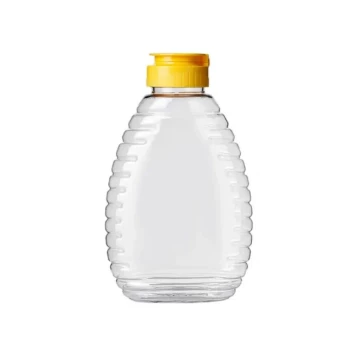
- Squeezable No-Drip Beehive-Shaped Honey Jars with Flip-Top Cap
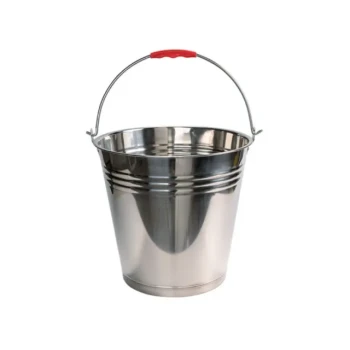
- Stainless Steel Honey Storage Tank with Lid for Honey
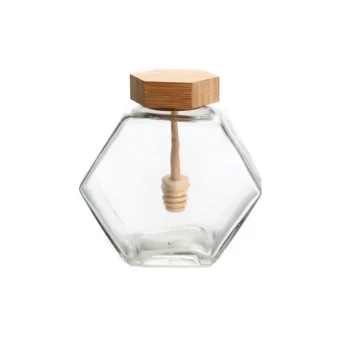
- Hexagonal Glass Honey Jar with Wooden Lid Integrated Dipper Elegant Functional Storage
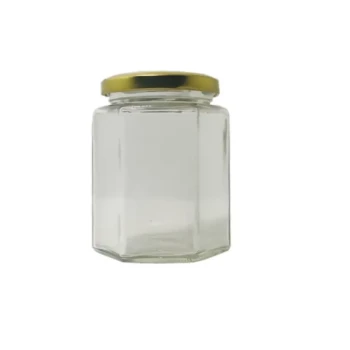
- Hexagonal Glass Honey Jars with Metal Lug Caps Elegant Versatile Packaging
People Also Ask
- What key operational precautions should be taken when using honey buckets and extractors fitted with bottom drain taps?
- What functions do food-grade honey buckets perform? Safeguard Your Harvest and Optimize Apiary Logistics
- Why are food-grade plastic buckets preferred for honey? Protect Quality with Modern Honey Collection Tools
- What is the significance of food-grade plastic honey collection buckets? Boost Quality in Forest Honey Logistics
- What is a honey pail? The Essential Container for Protecting Your Honey's Value