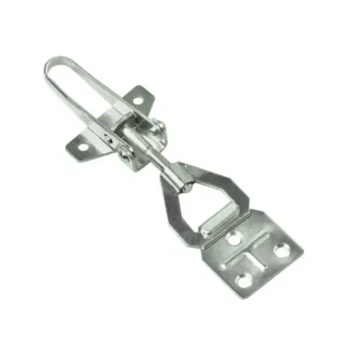
Industrial-grade multi-pin connectors, particularly 5-pin XLR variants, serve as the critical interface for ensuring reliable electrical connections between sensor modules and main control units. They are specifically engineered to resist vibration and oxidation, ensuring that sensitive environmental data is transmitted accurately despite harsh outdoor conditions.
In outdoor monitoring, system failure is frequently caused by poor connectivity rather than sensor malfunction. Industrial connectors solve this by mechanically securing the link between hardware, preserving signal integrity while simplifying field maintenance.
Ensuring Environmental Resilience
Reliability in the field begins with resisting the elements. Standard connectors often degrade quickly when exposed to nature, leading to data loss.
Resisting Oxidation
Beehives are high-humidity environments. Industrial connectors prevent oxidation on contact points, maintaining a clean electrical path for consistent data flow.
Countering Vibration
Hives are subject to movement from wind, animals, or human intervention. These connectors utilize robust designs to withstand mechanical vibration, preventing intermittent signal drops.
Preserving Signal Integrity
The quality of your data—temperature, humidity, and acoustics—depends heavily on the stability of the physical connection.
Robust Physical Locking
A loose cable renders a high-end sensor useless. 5-pin XLR connectors feature locking mechanisms that physically secure the cable, preventing accidental disconnection.
Protecting Complex Signals
Beehive monitoring involves multiple data streams. These connectors ensure the simultaneous, interference-free transmission of temperature, humidity, and acoustic signals.
Operational Efficiency and Maintenance
Beyond data quality, the choice of connector dictates how easily a system can be serviced in the field.
Rapid Component Replacement
Sensors eventually degrade or fail. Industrial connectors allow technical personnel to maintain or replace external sensors quickly.
Avoiding Main Unit Disassembly
Using these connectors eliminates the need to open the main control unit during repairs. This keeps the central electronics sealed and protected from the environment during routine maintenance.
Understanding the Trade-offs
While industrial connectors offer significant advantages, they require a deliberate design approach compared to consumer-grade alternatives.
The Trade-off of Size and Cost
Industrial connectors are generally bulkier and more expensive than standard jacks. However, this investment prevents the much higher cost of system failure and lost data.
The Risk of Hardwiring
Avoiding connectors by hardwiring sensors saves space but creates a maintenance nightmare. It forces you to disassemble the main housing for every repair, exposing sensitive electronics to moisture and dirt.
Making the Right Choice for Your Goal
Selecting the right interface is about balancing durability with operational needs.
- If your primary focus is Data Accuracy: Prioritize connectors with physical locking mechanisms to eliminate signal noise caused by vibration.
- If your primary focus is Field Maintenance: Choose multi-pin connectors that allow external module swapping to avoid exposing the main control board to the elements.
Integrating industrial-grade connectors converts a fragile experiment into a robust, professional monitoring tool capable of withstanding the rigors of the apiary.
Summary Table:
| Feature | Benefit for Hive Monitoring | Impact on Operations |
|---|---|---|
| Physical Locking | Prevents accidental disconnection from wind/wildlife | Ensures 24/7 continuous data flow |
| Oxidation Resistance | Maintains conductivity in high-humidity apiaries | Extends sensor lifespan and accuracy |
| Vibration Durability | Eliminates signal noise and intermittent drops | High-fidelity acoustic and environmental data |
| Modular Interface | Allows sensor swapping without opening main units | Simplifies field maintenance and repairs |
Elevate Your Apiary Operations with HONESTBEE
At HONESTBEE, we understand that commercial beekeeping requires equipment that can withstand the harshest environments. Whether you are a commercial apiary seeking robust monitoring solutions or a distributor looking to supply professional-grade hardware, we are your premier partner.
Our extensive portfolio includes:
- Advanced Machinery: Hive-making and honey-filling machines.
- Beekeeping Tools: A full spectrum of specialized hardware and consumables.
- Cultural Merchandise: Premium honey-themed retail products.
Ready to scale your business with reliable wholesale beekeeping solutions? Contact us today to learn how our engineering expertise and comprehensive equipment range can drive your success.
References
- Vyacheslav Rybin, Evgeniy S. Chernetskiy. Remote Data Acquisition System for Apiary Monitoring. DOI: 10.1109/elconrus51938.2021.9396576
This article is also based on technical information from HonestBee Knowledge Base .
Related Products
People Also Ask
- Under what circumstance are beehive connectors particularly beneficial? Optimize Handling for Full Beehive Attachments
- What is the advantage of using the beehive connector when handling full attachments? Achieve Safe and Efficient Hive Transport
- What are the primary functions of a beehive connector? Ensure Hive Stability and Safe Colony Transport
- How can the connection length and strength of a beehive connector be adjusted? Master Tension with Threaded Mechanics
- What is the purpose of the beehive connector? Secure Your Hive for Safe Transport