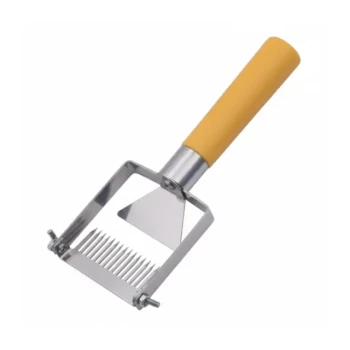
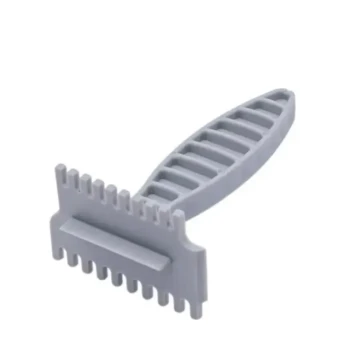
Disinfecting specialized beekeeping tools is the primary defense against mechanical disease transmission within an apiary. Because high-contact instruments like hive tools and uncapping knives circulate frequently between different hives, they can easily transfer pathogens from a sick colony to a healthy one. Sterilization is the only reliable method to break this chain of cross-infection.
Core Insight Without rigorous disinfection, your tools become efficient delivery systems for disease. Sterilization is not just about cleanliness; it is a critical biosecurity firewall that prevents resilient pathogens, such as American Foulbrood spores, from compromising your entire operation.
The Role of Tools as Mechanical Vectors
Breaking the Chain of Transmission
Beekeeping relies on shared equipment. When you use a tool to pry open a hive or uncap frames, that tool comes into direct contact with the colony's biological environment.
If that environment harbors bacteria, parasite eggs, or molds, the tool physically collects them. Moving to the next hive without disinfection immediately introduces these contaminants to a new, healthy population.
Combating Resilient Pathogens
Surface wiping is often insufficient for apiary threats. Specific pathogens, most notably American Foulbrood (AFB) spores, are highly resilient and capable of surviving largely unnoticed on equipment.
Standard cleaning removes visible debris, but proper disinfection is required to neutralize these microscopic spores and prevent them from causing a localized outbreak.
Methods of Sterilization
Chemical Disinfection
Chemical agents are widely used to eliminate a broad spectrum of threats, including molds and parasites. This method is effective for sterilizing nesting frames and operational tools without damaging the equipment structure.
Flame Sterilization
For metal tools like hive tools, flame sterilization is a common and effective technique. The high heat destroys biological matter instantly, offering a rapid solution for killing spores between hive inspections.
Operational Impact and Trade-offs
The Technical Safeguard
Maintaining high hygiene standards is not merely a best practice; it is a technical safeguard necessary for large-scale survival. Consistent disinfection directly correlates to reduced colony mortality rates and improved overall health.
Common Pitfalls in Implementation
The primary challenge in apiary hygiene is consistency. Failing to sterilize tools between every hive renders the process ineffective, as a single lapse can bridge the gap between infected and healthy colonies.
Furthermore, relying solely on physical cleaning without a sterilizing agent (chemical or heat) may leave resilient bacterial spores intact, creating a false sense of security.
Ensuring Colony Health and Compliance
If your primary focus is Disease Prevention:
- Prioritize the use of flame sterilization or strong chemical disinfectants between every single hive inspection to neutralize AFB spores.
If your primary focus is Commercial Scalability:
- Integrate hygiene record tools to document cleaning processes, ensuring you can identify production fluctuations and pass safety audits.
If your primary focus is Equipment Longevity:
- Select chemical disinfectants that eliminate molds and parasites without corroding your specialized tools or degrading wooden frames.
Routine disinfection converts your tools from potential liabilities into secure instruments of apiary management.
Summary Table:
| Sterilization Method | Best Used For | Primary Target Pathogens | Key Benefit |
|---|---|---|---|
| Flame Sterilization | Metal tools (hive tools, uncapping knives) | Bacterial spores (AFB), fungi | Instant results, no chemical residue |
| Chemical Disinfection | Frames, plastic tools, equipment surfaces | Molds, parasites, viruses | Deep penetration for irregular surfaces |
| Physical Cleaning | Pre-sterilization prep | Debris, wax, propolis | Removes matter that shields pathogens |
Secure Your Apiary with Professional-Grade Equipment from HONESTBEE
Don't let cross-contamination compromise your commercial operations. At HONESTBEE, we empower commercial apiaries and distributors with high-quality beekeeping machinery and essential tools designed for durability and hygiene. From specialized hardware like hive-making machines and honey-filling systems to a complete range of consumables and honey-themed cultural merchandise, we provide the wholesale solutions you need to scale efficiently.
Maximize your productivity and protect your colonies—contact our expert team today to discuss our comprehensive equipment portfolio and wholesale offerings.
References
- Robert Owen. Role of Human Action in the Spread of Honey Bee (Hymenoptera: Apidae) Pathogens. DOI: 10.1093/jee/tox075
This article is also based on technical information from HonestBee Knowledge Base .
Related Products
- Wooden Bee Brush with Triple Row Artificial Fiber for Beekeeping
- HONESTBEE Professional Mini J-Hook Hive Tool for Beekeeping
- Classic Wooden Bee Brush with Double-Row Boar Bristles
- HONESTBEE Advanced Ergonomic Stainless Steel Hive Tool for Beekeeping
- HONESTBEE 15-in-1 Beekeeper Multi-Tool with Hammer and Pliers for Beekeeping
People Also Ask
- What is the specific function of a bee brush? Ensure Pure Harvests and Colony Welfare During Honey Extraction
- What are the key characteristics of the bristles on a bee brush? Master Gentle and Efficient Bee Removal
- What is the purpose of using a bee brush during the inspection of hive components? Safe & Precise Hive Management
- What problem does a bee brush solve? Protect Your Colony with Gentle Precision Tools
- Why is a bee brush necessary when extracting honeybee hive frames that contain larvae? Protect Your Brood and Colony