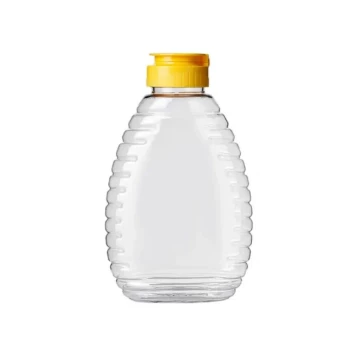
Industrial-grade plastic buckets are the definitive choice for the transport and storage of honey because they offer superior sealing capabilities and are exceptionally easy to sanitize. These containers are essential for preventing secondary contamination and retaining volatile flavors during the critical transition from the apiary to the market, ensuring the product retains its hygienic quality and financial value.
The primary value of industrial-grade plastic lies in its ability to isolate raw honey from environmental threats. By creating a chemically neutral, hermetic seal, these buckets prevent moisture-induced fermentation and maintain the honey’s physicochemical stability during logistics.
Preserving Chemical and Physical Integrity
preventing Moisture Absorption
Honey is naturally hygroscopic, meaning it readily absorbs water from the surrounding air. If moisture levels rise too high, the honey will ferment and spoil.
Industrial-grade plastic buckets provide a superior seal that acts as a physical barrier against atmospheric moisture. This capability is critical for maintaining moisture content within safe standard ranges and preventing fermentation.
Ensuring Chemical Neutrality
Honey contains acidic components that can react negatively with certain container materials. Unlike metal containers, food-grade plastic does not react with these acids.
This chemical stability prevents the introduction of metal ions into the product. It ensures the honey maintains its high purity and prevents the corruption of its physicochemical characteristics.
Retaining Volatile Flavors
The market value of honey is often tied to its specific flavor profile. However, these flavors are volatile and can be lost if the container is not airtight.
The sealing capabilities of industrial-grade buckets lock in these volatile flavors. This preserves the original taste and sensory qualities of the honey during its move from the collection site to the processing facility.
Optimizing Logistics and Sanitation
Durability on Rough Terrain
Apiaries are often located in remote areas, requiring transport over difficult ground. Traditional containers like clay pots or glass are fragile, while metal can be heavy.
Plastic buckets are lightweight and impact-resistant, solving the fragility issues associated with traditional containers. They protect the product from damage during long-distance transportation over rough terrain.
Superior Hygiene Standards
Contamination is a major risk during the primary collection phase. Dust, forest debris, and biological contaminants can easily degrade the product.
These buckets are designed to be easy to sanitize, meeting strict hygiene standards. Their smooth, corrosion-resistant surfaces allow for thorough cleaning, which prevents secondary contamination between uses.
Understanding the Trade-offs
Focus on Transitional Storage
While these containers are excellent for logistics, the primary reference specifically notes their utility for short-term storage and transport.
They are designed as "primary consumables" for the logistical phase—moving honey from the harvest point to the processing center. They serve as a temporary storage medium rather than a permanent solution for indefinite aging or final retail display.
Making the Right Choice for Your Operation
For professional beekeepers and processors, selecting the right container is a matter of asset protection.
- If your primary focus is Logistics: Prioritize these buckets for their lightweight, impact-resistant nature to reduce shipping costs and breakage risk on rough terrain.
- If your primary focus is Quality Assurance: Rely on the chemical neutrality and superior sealing of food-grade plastic to prevent fermentation and metallic contamination.
By utilizing industrial-grade plastic, you effectively immunize your harvest against environmental variables, securing the market value of your product from the hive to the facility.
Summary Table:
| Feature | Advantage for Honey | Impact on Value |
|---|---|---|
| Airtight Seal | Prevents moisture absorption and fermentation | Maintains shelf-life and grade |
| Chemical Neutrality | No reaction with honey's natural acids | Preserves purity and flavor profile |
| Impact Resistance | Durable for transport on rough apiary terrain | Reduces product loss and breakage |
| Hygienic Surface | Easy to sanitize and corrosion-resistant | Prevents secondary contamination |
| Lightweight Build | Easy handling and lower shipping weight | Optimizes logistical efficiency |
Maximize Your Apiary's Efficiency with HONESTBEE
At HONESTBEE, we understand that the right equipment is the foundation of a successful beekeeping operation. As a premier partner for commercial apiaries and distributors, we provide a comprehensive wholesale range of professional tools, from industrial-grade storage solutions to advanced honey-filling machinery and hive-making equipment.
Whether you are scaling your honey production or looking for reliable industry consumables, our expert-curated portfolio is designed to protect your harvest and streamline your logistics. Contact us today to discover how our tailored equipment solutions can enhance your product quality and business growth.
References
- Issa YA, Logtene YM. Socio-Economic Characteristics and Techniques of the Bee-Keeping in the Area of Goundi (Chad). DOI: 10.16966/2576-6457.131
This article is also based on technical information from HonestBee Knowledge Base .
Related Products
- Food Grade Plastic Honey Bucket Pail for Beekeeping
- Plastic Honey Gate Spout with Wing Nut for Beekeeping Honey Bucket
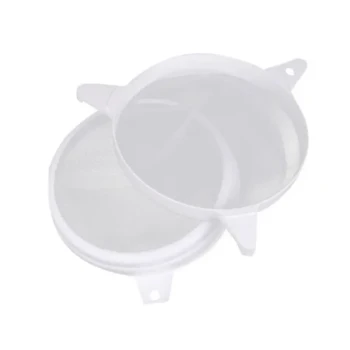
- Two-Stage Plastic Honey Filter for Buckets
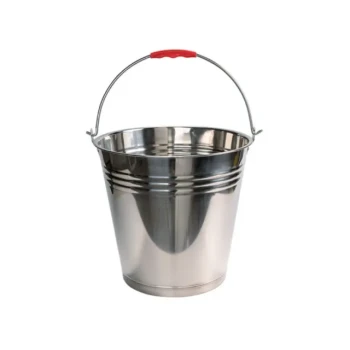
- Premium Stainless Steel Honey Tank Bucket Pail with Reinforced Handle and Polished Finish
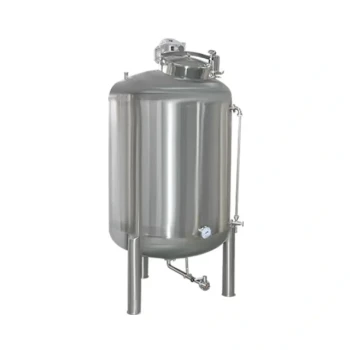
- Stainless Steel Honey Tank Stand for Honey Storage
People Also Ask
- What key operational precautions should be taken when using honey buckets and extractors fitted with bottom drain taps?
- What functions do food-grade honey buckets perform? Safeguard Your Harvest and Optimize Apiary Logistics
- Why are food-grade plastic buckets preferred for honey? Protect Quality with Modern Honey Collection Tools
- What is the significance of food-grade plastic honey collection buckets? Boost Quality in Forest Honey Logistics
- What is a honey pail? The Essential Container for Protecting Your Honey's Value