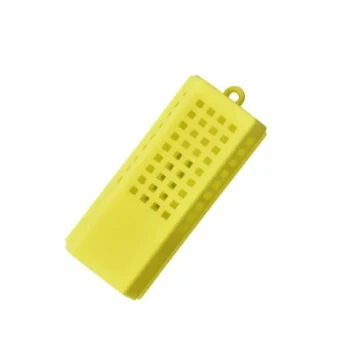
Plexiglass hoarding cages function as precision laboratory instruments, offering advantages in transparency and controlled dosing that standard beehives cannot match. While standard hives are necessary for maintaining colony genetics and sourcing healthy stock, Plexiglass cages provide the controlled confinement required to administer precise quantities of test compounds and observe specific sub-lethal effects in real time.
Core Takeaway While standard beehives provide a natural environment for colony growth, Plexiglass hoarding cages are the superior choice for toxicology experiments requiring high-resolution data on individual survival, precise chemical dosing, and unobstructed behavioral monitoring.
Achieving High-Resolution Observation
Unobstructed Visibility
The primary advantage of Plexiglass is high transparency.
In a standard hive, observing individual bees often requires opening the unit, which disturbs the colony and alters behavior. Plexiglass cages allow researchers to view the subjects from all angles without physical interference.
Real-Time Behavioral Monitoring
This transparency enables continuous, real-time assessment of survival status and behavioral performance.
Researchers can immediately detect sub-lethal effects, such as twitching or disorientation, which might be lost in the darkness and density of a standard hive frame.
Precision in Chemical Administration
Quantitative Dosing
Standard hives make it difficult to measure exactly how much of a substance a specific bee consumes due to food sharing (trophallaxis) and storage.
Plexiglass cages facilitate the precise administration of quantitative sugar syrup containing test compounds. This ensures that the dosage data correlates directly to the observed effects on the confined bees.
Controllable Confinement
Toxicology often requires isolating specific variables.
These cages offer controllable confinement, preventing external environmental factors or interactions with the rest of the colony from skewing the toxicity data.
Environmental Stability
Micro-Environment Control
Plexiglass cages are designed with specific dimensions and ventilation structures.
This design maintains a stable micro-environment that balances necessary air exchange with the containment required for testing.
Reduced Variable Interference
By moving bees from a variable field setting to a standardized cage, researchers minimize background noise.
While standard hives eliminate variables regarding hive structure, Plexiglass cages go a step further by standardizing the dosing environment for laboratory-based research.
Understanding the Trade-offs
Thermal Regulation vs. Visibility
While Plexiglass offers superior visibility, it lacks the thermal properties of wood.
Supplementary data indicates that wooden micro-cages or standard hives provide better thermal insulation, mimicking the natural nest. Plexiglass is an artificial environment best used for short-term toxicology exposure rather than long-term brood rearing.
Natural Behavior vs. Experimental Control
Standardized beehives are superior for maintaining natural behavioral patterns and breeding different genetic lines.
Plexiglass cages restrict the bees' natural range and social structure. Therefore, they are intended for monitoring specific sub-lethal effects rather than assessing holistic colony health or brood development.
Making the Right Choice for Your Goal
Selecting the correct apparatus depends on whether you need ecological validity or toxicological precision.
- If your primary focus is precise dosing and LD50 determination: Choose Plexiglass hoarding cages to ensure accurate consumption of test compounds and unobstructed observation of mortality.
- If your primary focus is colony dynamics or brood development: Choose standard beehives to maintain natural thermal regulation and ecological validity.
- If your primary focus is balancing ventilation with isolation: Consider wooden micro-cages with mesh sides, though you will sacrifice the total visibility that Plexiglass provides.
Ultimately, use Plexiglass cages when the integrity of your chemical data requires absolute control over individual exposure and immediate visual verification of results.
Summary Table:
| Feature | Plexiglass Hoarding Cages | Standard Beehives |
|---|---|---|
| Primary Use | Laboratory toxicology experiments | Colony maintenance & honey production |
| Visibility | High (360° unobstructed view) | Low (requires opening the hive) |
| Dosing Precision | High (exact quantitative control) | Low (variable due to food sharing) |
| Micro-environment | Controlled lab stability | Natural, variable field conditions |
| Best For | LD50 studies & behavioral monitoring | Brood rearing & genetic stock |
| Thermal Regulation | Artificial (requires lab control) | Natural (high insulation) |
Elevate Your Apiary Research and Operations with HONESTBEE
Whether you are a commercial apiary conducting internal health assessments or a distributor supplying the latest in apiculture technology, HONESTBEE provides the professional-grade tools you need. From precision Plexiglass research cages and honey-filling machines to specialized hive-making equipment, our comprehensive wholesale catalog is designed to optimize every stage of beekeeping.
Our value to you:
- For Distributors: Access a full spectrum of high-demand consumables and specialized hardware with reliable wholesale margins.
- For Commercial Apiaries: Industrial-strength machinery and tools engineered for high-volume efficiency and scientific precision.
Ready to scale your beekeeping capabilities? Contact HONESTBEE today to discuss our volume offerings and custom equipment solutions.
References
- Nitin K. Singh, Victoria Soroker. Effect of the insect feeding deterrent 1-allyloxy-4-propoxybenzene on olfactory responses and host choice of Varroa destructor. DOI: 10.1007/s13592-020-00791-0
This article is also based on technical information from HonestBee Knowledge Base .
Related Products
- Durable Plastic Push In Queen Bee Cage
- Professional Multi-Compartment Queen Cage with Sliding Lid
- Plastic Long Marker Device for Catching and Marking Bees Queen Bee Marking Tube and Cage
People Also Ask
- What advantages do push-in queen cages offer? Boost Acceptance Rates for Artificially Inseminated Queens
- What is a push-in queen cage and how does it differ from a standard queen cage? Boosting Your Queen Acceptance Rates
- How can a beekeeper obtain a push-in queen cage? DIY vs. Professional Sourcing Guide
- Why are specialized queen bee cages used for the banking of mated queen bees? Maximize Commercial Apiary Storage Efficiency
- What is a push-in queen cage and how does it differ from standard cages? Achieve Higher Queen Acceptance Rates