Professional harvesting equipment optimizes stingless bee honey (SBH) production by ensuring product purity, protecting colony health, and stabilizing the supply chain. Unlike traditional squeezing, which destroys hive structures and introduces contaminants, professional tools like negative pressure suction machines target only the honey pots. This non-destructive approach results in a higher-grade commercial product with lower moisture risk and significantly faster hive recovery times.
Core Takeaway: For distributors and wholesalers, professional harvesting is the bridge between a volatile cottage-industry product and a standardized, high-value commercial asset. By preserving the hive’s integrity, this technology ensures a consistent, high-purity supply that meets rigorous international quality standards.
Superior Purity and Commercial Grade
Elimination of Internal Contaminants
Traditional manual squeezing often forces honey through crushed cerumen pots, which can introduce larval secretions, bee bread, and wax debris into the final batch. Professional piercing and suction devices bypass these elements entirely, extracting honey directly from the resin pots without disturbing the surrounding hive environment. This results in a raw honey that is naturally cleaner and free from the biological impurities that typically trigger early spoilage.
Moisture Control and Fermentation Prevention
Stingless bee honey has a naturally high moisture content, making it highly susceptible to early fermentation. Mechanical extraction equipment is more effective at separating mature honey from immature, high-moisture batches during the harvesting process. This precision allows producers to maintain better control over the honey’s physical and chemical stability, ensuring the product remains shelf-stable for global distribution.
Reduction of Environmental Pollutants
Manual handling and traditional squeezing expose the honey to external pollutants and secondary contamination from the harvester’s environment. Hygienic harvesting tools create a closed-loop or localized extraction process that minimizes exposure to air and human contact. This level of hygiene is critical for wholesalers who must guarantee food safety and meet stringent commercial health standards.
Protecting Supply Chain Stability
Shortened Colony Recovery Cycles
When hives are squeezed or crushed, bees must divert significant energy and resources to repairing the cerumen structures rather than producing new honey. Professional equipment preserves the structural integrity of these pots, allowing the colony to resume production almost immediately. This efficiency significantly shortens the interval between harvests, leading to a higher and more predictable annual yield for large-scale operations.
Minimizing Larval Mortality and Colony Stress
Traditional harvesting often compromises the brood nest, leading to increased larval mortality and a weakened bee population. Specialized tools are designed to extract honey without damaging the brood chambers, maintaining the biological integrity of the hive. A healthy, low-stress colony is more resilient to environmental disruptions, ensuring long-term supply reliability for B2B partners.
Integration with Modern Pollination Services
Non-destructive harvesting allows beekeepers to balance honey production with agricultural pollination services. Because the colony remains strong and the nest remains intact, the bees can continue their pollination activities without a significant "downtime" period following extraction. This dual-purpose utility increases the overall economic value of the apiary, supporting more robust sourcing partnerships.
Understanding the Trade-offs
Initial Capital and Technical Expertise
While professional equipment offers superior results, it requires a higher upfront investment in specialized suction machines and modified split-type hives. Distributors should prioritize suppliers who have already invested in this infrastructure, as it indicates a commitment to professional-grade output. Furthermore, these tools require technical training to operate correctly; improper use of suction can still cause minor stress to the colony if not managed by an expert.
Equipment Maintenance and Sanitation
The use of mechanical tools introduces a new requirement for rigorous sanitation protocols for the equipment itself. If suction tubes and containers are not cleaned to professional standards, they can become a source of contamination. Reliable sourcing partners must demonstrate strict maintenance schedules to ensure the advantages of mechanical extraction are not negated by poor equipment hygiene.
How to Apply This to Your Sourcing Strategy
Making the Right Choice for Your Goal
- If your primary focus is premium market positioning: Prioritize suppliers using negative pressure suction, as this guarantees the highest clarity and lowest impurity levels for high-end retail.
- If your primary focus is supply chain consistency: Look for producers who utilize non-destructive harvesting to ensure their hives have faster recovery times and higher annual output.
- If your primary focus is meeting international food safety standards: Verify that your partners use professional-grade hygienic tools to minimize the risk of secondary contamination and fermentation.
By shifting toward professional harvesting technology, the stingless bee honey industry provides wholesalers with the consistency and quality required to scale this unique superfood globally.
Summary Table:
| Feature | Professional Harvesting Equipment | Traditional Squeezing Method |
|---|---|---|
| Product Purity | High (Targeted suction, no debris) | Low (Contaminated by larval/wax debris) |
| Colony Recovery | Fast (Hive structure remains intact) | Slow (Bees must rebuild crushed pots) |
| Supply Stability | High (Predictable, frequent harvests) | Volatile (High stress and larval mortality) |
| Moisture Control | Precision extraction reduces fermentation | High risk of early spoilage/fermentation |
| Hygiene Standards | Closed-loop commercial food safety | High risk of secondary environmental pollution |
Scale Your Honey Business with HONESTBEE’s Professional Solutions
Transitioning to professional harvesting is essential for maintaining the high-grade standards that global distributors and wholesalers demand. HONESTBEE is your dedicated one-stop sourcing partner, offering a comprehensive wholesale portfolio designed for commercial success.
From high-precision negative pressure suction machines to specialized honey-filling equipment and essential industry consumables, we provide the tools you need to ensure purity and supply chain reliability. Benefit from our deep professional expertise, rapid response times, and ultra-fast delivery to maximize your profit margins and market positioning.
Ready to upgrade your apiary or distribution inventory? Contact HONESTBEE today to request a quote!
References
- Belay Gezahegn Gebreyes, Nkoba Kiatoko. The Physicochemical Properties, Biochemical Makeup, and Health Benefits of Honey Produced From Stingless Bees (Apidae: <i>Meliponini</i> ). DOI: 10.1155/jfq/7570525
This article is also based on technical information from HonestBee Knowledge Base .
Related Products
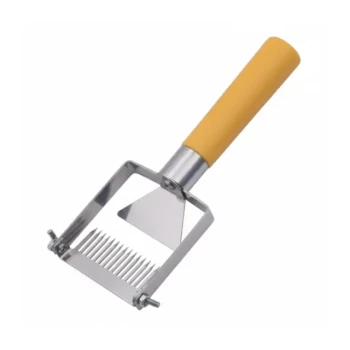
- Adjustable Stainless Steel Honey Uncapping Fork with Plastic Handle for Beekeeping
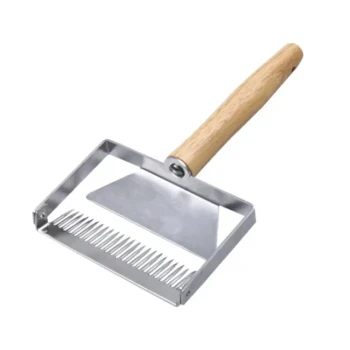
- All-Stainless Steel Pivoting Honey Uncapping Fork for Beekeeping
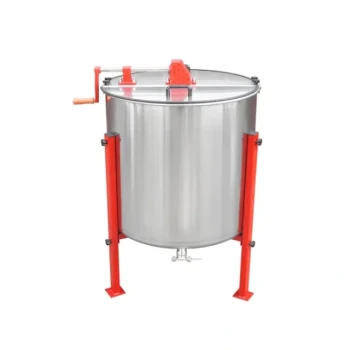
- 6 Frame Manual Stainless Steel Honey Extractor Beekeeping Equipment
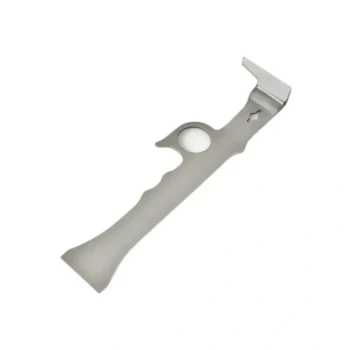
- Professional Stainless Steel Pry-Bar Hive Tool
- Plastic Handle Single Row Artificial Fiber Bee Brush
People Also Ask
- What is the design purpose of honey uncapping forks and honey uncapping tanks? Maximize Your Harvest Efficiency
- How does a honey uncapping fork supplement the use of an uncapping knife? Boost Your Honey Yield and Extraction Efficiency
- What are the essential tools for uncapping honey frames? Choose the Right Tool for Your Apiary
- What other tools are available for honey uncapping besides knives? Find the Right Tool for Your Apiary's Scale
- What tools are used for honey uncapping? Choose the Right Knife for Your Harvest