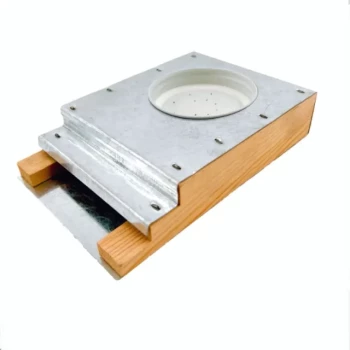
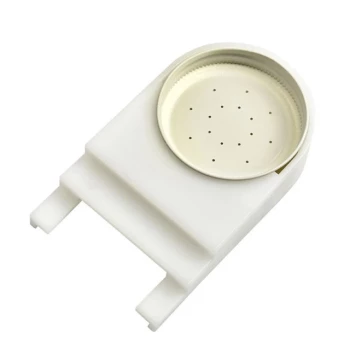
Specialized bee feeders are precision instruments designed to provide a controlled feeding interface that minimizes syrup waste, prevents bee drowning, and maintains the hygiene of the supplemental feed. By facilitating a continuous supply of carbohydrates, these feeders ensure honeybee colonies maintain essential energy reserves during winter or nectar-deficient periods without disrupting the hive's critical internal thermal regulation.
Specialized feeders act as the bridge between high-energy supplements and colony productivity, ensuring that nutritional intake is efficient, hygienic, and minimally disruptive to the hive’s delicate microclimate. For the professional distributor, offering a full-spectrum portfolio of these tools is essential for supporting modern, high-yield apiculture operations.
Precision Feeding and Colony Homeostasis
Maintaining Thermal Stability
Frequent manual feeding often requires opening the hive, which releases accumulated heat and disrupts the brood-rearing environment. Specialized feeders allow for external or integrated supplementation, ensuring that the internal temperature and humidity levels remain constant, which is vital for the survival of the larvae.
Preventing Drowning and Waste
Standard open containers pose a significant risk of bee mortality through drowning. Professional feeders utilize specialized access points, such as floats or narrow channels, that isolate the syrup while allowing worker bees to collect it safely and efficiently.
Quantitative Supplementation
Modern apiculture relies on precise, quantitative feeding to match the colony's specific growth phase. High-quality feeders allow for calibrated delivery, such as 1.0 liter every six days, which prevents over-saturation of the hive and ensures the supplement is consumed steadily rather than stored in excess.
Nutritional Efficiency and Seasonal Management
Synergizing with Inverted Syrups
When used with specialized feeders, inverted sugar syrups (rich in glucose and fructose) reduce the physiological burden on honeybees. Because these sugars are pre-hydrolyzed, bees do not need to expend metabolic energy or enzymes to break them down, facilitating the rapid accumulation of proteins and lipids in the fat body before winter.
Stimulating Colony Growth
Strategic feeding approximately six weeks before a major honey flow can significantly boost profitability. Feeders provide the stimulative energy needed to encourage the queen to lay eggs early, ensuring a massive population of forager bees is ready exactly when the flowering peak begins.
Ensuring Winter Survival
During nectar-deficient periods, a lack of carbohydrate reserves can lead to colony starvation or migration. Specialized hardware secures these reserves, providing a reliable energy source that keeps the colony anchored to the hive and healthy throughout the dormant season.
Operational Security and Hygiene
Preventing Robbing and Contamination
Exposed syrup can attract "robber" bees from other colonies or pests like wasps. Isolated feeder designs, such as frame or top feeders, shield the syrup from the outside environment, maintaining social cohesion and preventing the spread of pathogens between hives.
Protecting Light-Sensitive Treatments
When administering medicated syrups, UV exposure can degrade the effectiveness of the treatment. Opaque top feeders shield the contents from direct sunlight, a critical advantage over transparent entrance feeders when colony health depends on precise pharmaceutical intervention.
Monitoring and Logistics
For large-scale operations, labor efficiency is a primary concern. Entrance feeders allow for rapid visual monitoring of feed levels without the need to open a single hive, significantly speeding up the maintenance cycle for commercial beekeepers.
Understanding the Trade-offs
While specialized feeders offer significant advantages, selecting the wrong type for a specific environment can lead to complications. Entrance feeders are convenient for monitoring, but they are more susceptible to ambient temperature fluctuations and may trigger robbing behavior in high-density apiaries.
Conversely, Internal frame feeders provide maximum thermal stability, but they require opening the hive for refilling, which can be labor-intensive. Furthermore, while high-fructose corn syrup is a cost-effective high-energy supplement, it must be administered via high-quality feeders to prevent fermentation and ensure the hygiene of the food supply is not compromised by environmental exposure.
Applying This Expertise to Your Portfolio
As a distributor or wholesaler, your ability to provide a comprehensive range of feeding solutions directly impacts the success of your clients' apiaries. Matching the right feeder to the specific climate and management style of the beekeeper is the hallmark of a premium trading service.
- If your primary focus is commercial-scale productivity: Recommend top feeders or frame feeders that allow for large-volume supplementation with minimal hive disturbance.
- If your primary focus is winter survival in cold climates: Prioritize internal feeders that help the colony maintain thermal regulation while accessing high-energy inverted syrups.
- If your primary focus is rapid colony expansion and queen rearing: Suggest frame feeders that provide the steady, stimulative supply required to trigger maximum royal jelly production and egg-laying.
By integrating these specialized tools into your inventory, you provide beekeepers with the hardware necessary to transform simple sugar syrup into a powerful engine for colony health and honey production.
Summary Table:
| Feature | Key Advantage | Best Application |
|---|---|---|
| Thermal Regulation | Maintains hive microclimate by reducing manual openings. | Winter feeding & brood rearing. |
| Safety Access | Prevents bee drowning and minimizes syrup waste. | High-volume liquid supplementation. |
| Isolated Design | Prevents robbing behavior and pathogen spread. | High-density apiaries & pest-prone areas. |
| Calibrated Delivery | Enables precise, quantitative feeding schedules. | Colony stimulation & queen rearing. |
| Operational Monitoring | Allows rapid visual checks without hive disruption. | Large-scale commercial operations. |
Partner with HONESTBEE for Premium Beekeeping Solutions
Are you looking to scale your inventory with high-performance beekeeping hardware? HONESTBEE provides distributors, wholesalers, and B2B resellers with a comprehensive, full-spectrum product portfolio—from specialized bee feeders to advanced honey-filling machinery.
Why choose HONESTBEE?
- One-Stop Sourcing: Access everything from essential consumables to specialized apiary machinery.
- Reliable Supply Chain: Benefit from ultra-fast delivery and efficient order fulfillment to maximize your profit margins.
- Deep Industry Expertise: Our team offers dedicated customer service and professional support tailored to B2B needs.
- OEM/ODM Capabilities: Custom solutions to help your brand stand out in the competitive apiculture market.
Ready to enhance your product offering? Contact us today to receive our latest wholesale catalog and experience exceptional service!
References
- Yaoqiang Shan, Fangfang Zhu. The Impact of Bee Feed Optimization on Colony Health. DOI: 10.5376/me.2025.16.0001
This article is also based on technical information from HonestBee Knowledge Base .
Related Products
- Rapid Bee Feeder White Plastic 2L Round Top Feeder for 8 or 10-Frame Bee Hives
- White Plastic 0.5L Beekeeping Entrance Feeder for Bees
- HONESTBEE Entrance Bee Feeder Professional Hive Nutrition Solution for Beekeeping
- HONESTBEE Professional Entrance Bee Feeder Hive Nutrition Solution
- Boardman Entrance Bee Feeder Durable Galvanized Steel and Wood Construction for Beekeeping
People Also Ask
- What should be done with feeders and equipment after feeding bees? Essential Steps for Apiary Health
- What should be done if feed in a feeder is not consumed by the bees? Prevent Hive Mold with Prompt Feed Management
- What is the necessity of specialized internal or entrance feeders? Secure Your Hive with Professional Feeding Tools
- How do bee feeders work to preserve colony health during nectar shortages? Essential Guide for Beekeepers
- How quickly does a medium to strong colony usually empty a feeder? A Beekeeper's Guide to Hive Health