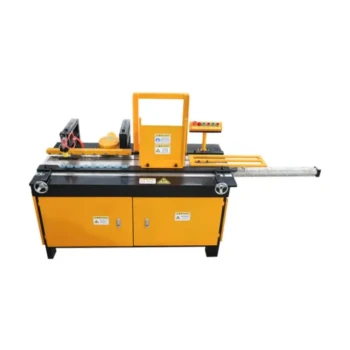
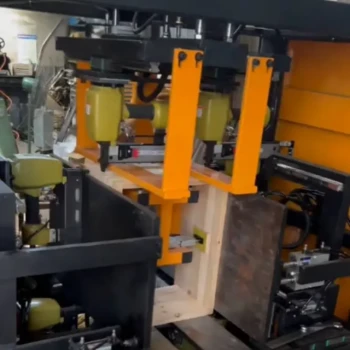
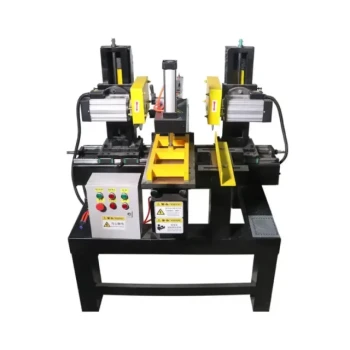
Specialized hive-making machines fundamentally transform commercial forest beekeeping by shifting production from inconsistent manual craftsmanship to high-precision manufacturing. By processing local timber into standardized units, these machines create superior hive structures that significantly improve colony retention rates and thermal insulation while eliminating the ecological damage associated with traditional manual foraging for building materials.
Core Insight: The transition to mechanized hive production is not just about speed; it is about creating a standardized infrastructure that supports biological health and operational scalability. Precision manufacturing ensures the structural integrity required for colony survival, while standardization lays the groundwork for large-scale, automated apiary management.
Enhancing Colony Stability and Health
Superior Thermal Regulation and Sealing
Manual construction often leaves gaps that compromise a hive's internal environment. Specialized machines ensure tight tolerances and structural integrity, resulting in superior sealing and thermal insulation. This protection is critical for maintaining stable internal temperatures, which directly impacts the bees' survival and productivity.
Increasing Colony Settlement Rates
Forest bees are selective about where they establish colonies. The structural precision provided by machine-made hives creates a secure, draft-free environment that significantly improves the success rate of attracting wild forest bees and ensures the stability of their settlement once established.
Improved Disease Resistance and Overwintering
High-precision manufacturing minimizes structural flaws where pests or moisture could enter. This precision enhances the disease resistance of the colony and provides better protection during harsh winter months, reducing colony loss compared to roughly hewn manual hives.
Operational Scalability and Efficiency
The Foundation for Mechanization
Standardization is the prerequisite for scaling up operations. Machine-produced hives offer identical dimensions, which is the essential hardware foundation required for using automated bee removers and high-efficiency honey extraction lines later in the process.
Durability and Long-Term Asset Value
Standardized hives produced by specialized equipment are built to uniform specifications, generally offering longer service lives than traditional handmade options. This uniformity allows for easier repair and part replacement, reducing long-term capital costs.
Environmental Sustainability in Forest Contexts
Reducing Strain on Forest Vegetation
Traditional manual hive construction often relies on harvesting wild vines, phloem fibers, and bark from the surrounding forest. Specialized machines utilize standard local timber instead, drastically reducing the dependency on these fragile forest resources.
Minimizing Ecological Impact
By removing the need to strip vegetation for binding materials, mechanized production minimizes the physical impact on forest biodiversity. This allows commercial operations to expand without degrading the very ecosystem that supports their bee populations.
Understanding the Trade-offs
Higher Initial Capital Expenditure
Unlike manual methods which rely on low-cost, scavenged materials and labor, implementing hive-making machinery requires a significant upfront investment in equipment. This shifts the cost structure from variable labor costs to fixed capital costs.
Technical Maintenance Requirements
Moving to mechanized production introduces a need for technical maintenance. Operators must be skilled not only in beekeeping but also in maintaining and calibrating woodworking machinery to ensure continued precision and safety.
Making the Right Choice for Your Goal
- If your primary focus is Scalability: Prioritize machine-made hives to create the standardized infrastructure necessary for automated harvesting and managing large numbers of colonies with fewer staff.
- If your primary focus is Colony Survival: Leverage the precision of these machines to provide superior thermal insulation and sealing, which are critical for overwintering success and disease prevention.
- If your primary focus is Ecological Conservation: Adopt mechanized production to eliminate the destructive harvesting of wild vines and fibers, preserving the integrity of the forest habitat.
Invest in specialized hive-making machinery when you are ready to trade the low initial cost of manual labor for the high precision, sustainability, and scalability of professional industrial operations.
Summary Table:
| Feature | Manual Construction | Specialized Hive-Making Machines |
|---|---|---|
| Structural Precision | Low (Irregular gaps/sealing) | High (Standardized tolerances) |
| Colony Retention | Variable (Drafty environments) | High (Superior insulation/sealing) |
| Scalability | Limited by manual labor | High (Foundation for automation) |
| Ecological Impact | High (Stripping wild vegetation) | Low (Sustainable timber usage) |
| Longevity | Variable service life | Long-term durable assets |
| Cost Structure | Low initial / High labor | High initial / Low long-term |
Scale Your Apiary Operations with HONESTBEE
Transitioning from manual methods to industrial precision is the key to sustainable growth for commercial apiaries and distributors. HONESTBEE provides the comprehensive hardware foundation you need to succeed, specializing in high-performance hive-making machines, honey-filling equipment, and a full spectrum of professional beekeeping tools.
Our solutions are designed to enhance colony health through superior manufacturing standards while ensuring your business is ready for large-scale automation. Whether you are expanding your wholesale portfolio or upgrading your production line, our expertise in beekeeping machinery and essential consumables delivers unmatched value.
Ready to modernize your production? Contact us today to explore our wholesale offerings and industrial equipment solutions!
References
- Berhanu Debela Gonfa. Review of Economic Contribution of Non-Timber Forest Products (NTFPs) for Rural Livelihoods and its Potential for Sustainable Forest Management in Ethiopia. DOI: 10.19080/artoaj.2019.21.556179
This article is also based on technical information from HonestBee Knowledge Base .
Related Products
- High-Efficiency Pneumatic Bee Hive Making Machine for Rapid Box Assembly
- Mini Desktop Bee Hive Frame Forming Making Machine
- Beehive Handle and Frame Rest Cutting Machine: Your Specialized Hive Machine
- Automatic High-Speed Bee Hive Box Stapling Machine
- Beehive Machine Double End Saw for Precision Hive Component Manufacturing
People Also Ask
- How does the introduction of professional beehive-making machinery benefit sustainable beekeeping? Scale Your Apiary
- Why is specialized beehive-making machinery critical for low-defense breeding? Enhance Selection with Precision Tools
- How does the introduction of specialized beehive making machinery contribute to increasing the scale of regional beekeeping industries?
- What is the importance of specialized beehive making machinery in a circular bio-economy? Build Local Sustainability
- Why is specialized beehive-making machinery essential? Scale Your Apiary with Precision Industrial Standards