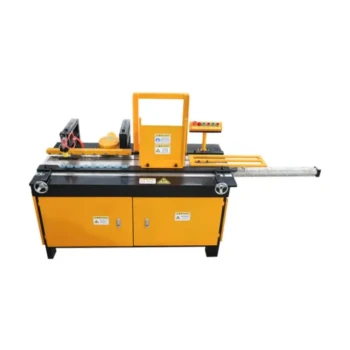
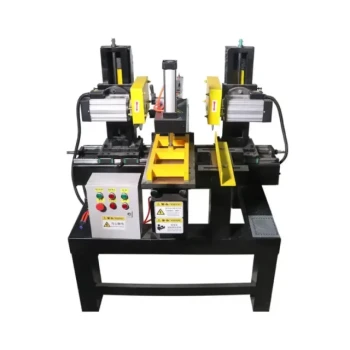
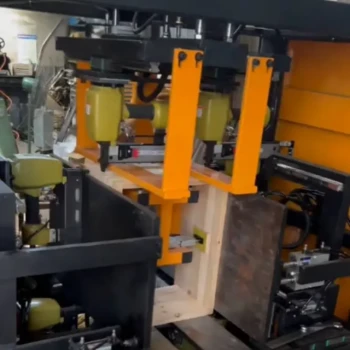
Industrial-grade hive-making machinery fundamentally transforms commercial beekeeping by replacing variable craftsmanship with absolute manufacturing precision. This equipment ensures that every hive component acts as a standardized, interchangeable asset, enabling operators to reduce unit costs, streamline complex colony management, and facilitate the rapid expansion necessary for large-scale profitability.
The core advantage of this technology is not just speed, but total standardization. By ensuring high-precision dimensions across thousands of units, industrial machinery creates the necessary physical foundation for automated honey extraction, mechanized transport, and rigorous biosecurity protocols.
The Operational Impact of Standardization
Establishing Component Interchangeability
The primary benefit of industrial-grade machinery is the creation of perfectly uniform components. In a large apiary, the ability to swap frames or boxes between any two hives without modification is critical. This interchangeability drastically reduces the complexity of daily operations.
Streamlining Colony Management
Standardized equipment simplifies advanced biological management tasks such as colony splitting, merging, and pest inspections. When frames fit perfectly into any box, beekeepers can manipulate colonies faster and with less physical effort. This increases the labor efficiency of the workforce, allowing fewer staff to manage more hives.
Simplifying Maintenance and Repairs
Hardware uniformity guarantees that replacement parts will fit existing setups immediately. This eliminates the need for custom adjustments or "jerry-rigging" repairs in the field. Consequently, maintenance costs drop, and asset management becomes a streamlined, predictable process rather than a logistical headache.
Scaling Production and Logistics
Facilitating Mechanized Extraction
Modern commercial honey production relies on automated extraction lines. These systems require hives with precise geometric dimensions to function correctly. Industrial hive-making machinery produces components compatible with mechanized extraction systems, removing the bottlenecks associated with manual processing.
Optimizing Migratory Beekeeping
For operations involved in pollination services, hives must withstand the rigors of long-distance transport. Industrial manufacturing ensures high structural stability and consistent dimensions. This uniformity is essential for mechanized loading and unloading, allowing pallets of hives to be stacked securely for safe transport across varying climatic conditions.
Reducing Infrastructure Costs
By utilizing mechanized processing, industrial machinery significantly lowers the unit cost of hive production. This cost efficiency provides the material support needed for rapid spring colony expansion. It allows businesses to scale their infrastructure quickly without the prohibitive costs associated with manual construction.
Biosecurity and Disease Control
Maintaining a Controlled Environment
A standardized physical environment is fundamental for maintaining high biosecurity standards. High-precision manufacturing minimizes gaps and structural irregularities where pests or pathogens might harbor. This consistency aids in minimizing disease transmission between colonies.
Reducing Colony Loss
Precise woodworking ensures tight joints and proper hive ventilation. By standardizing these physical specifications, operators can reduce environmental stress on the bees. This directly contributes to reducing potential honeybee colony loss and ensuring consistent honey output.
Understanding the Trade-offs
High Initial Capital Expenditure
Transitioning to industrial machinery requires a significant upfront financial commitment. While the per-unit cost of hives decreases over time, the Return on Investment (ROI) relies on the operator's ability to utilize the machinery at high volume.
Technical Maintenance Requirements
Unlike simple carpentry tools, industrial machinery is complex. It requires regular calibration and skilled maintenance to maintain its precision. Failure to maintain the machinery can lead to production downtime or batches of components that deviate from the required standard.
Material Specificity
High-precision machines often require timber or composite materials of consistent quality and moisture content. Using low-grade, warped, or knotty lumber can cause machine jams or inaccuracies, potentially limiting material sourcing options.
Making the Right Choice for Your Goal
To determine if industrial hive-making machinery is the right investment for your operation, consider your specific strategic objectives:
- If your primary focus is rapid expansion: Prioritize machinery that lowers the unit cost of production to support aggressive colony scaling.
- If your primary focus is migratory pollination: Select equipment known for producing high-stability joints to ensure structural integrity during transport.
- If your primary focus is labor reduction: Ensure the machinery produces components strictly compatible with your existing automated extraction and palletization systems.
Ultimately, industrial hive-making machinery is not merely a production tool, but the strategic backbone of a scalable, efficient, and biologically secure modern apiary.
Summary Table:
| Key Benefit | Operational Impact | Strategic Value |
|---|---|---|
| Component Interchangeability | Frames and boxes fit any hive unit | Simplifies colony management and reduces labor |
| Production Scalability | Lowers unit costs through mechanization | Facilitates rapid expansion and colony growth |
| Logistical Optimization | Uniform dimensions for pallets/transport | Enables efficient migratory beekeeping and transport |
| Biosecurity Control | Minimizes structural gaps and irregularities | Reduces disease transmission and colony loss |
| Extraction Compatibility | Precision-fit for automated lines | Removes bottlenecks in honey processing |
Transform Your Beekeeping Operation with HONESTBEE
As a commercial apiary or distributor, your profitability relies on precision and scale. HONESTBEE specializes in empowering large-scale operations with a comprehensive wholesale range of beekeeping tools, machinery, and essential consumables.
From industrial-grade hive-making machines that ensure perfect standardization to advanced honey-filling systems and cultural merchandise, we provide the hardware necessary for your success. Partner with us to reduce your labor costs, optimize your logistics, and secure your production infrastructure.
Ready to scale your commercial apiary?
Contact HONESTBEE Today for a Wholesale Quote
References
- Kevin Richardson. Beekeeping role in enhancing food security and environmental public health. DOI: 10.61093/hem.2023.4-06
This article is also based on technical information from HonestBee Knowledge Base .
Related Products
- High-Efficiency Pneumatic Bee Hive Making Machine for Rapid Box Assembly
- Beehive Handle and Frame Rest Cutting Machine: Your Specialized Hive Machine
- Beehive Machine Double End Saw for Precision Hive Component Manufacturing
- Automatic High-Speed Bee Hive Box Stapling Machine
- Mini Desktop Bee Hive Frame Forming Making Machine
People Also Ask
- How does the introduction of professional beehive-making machinery benefit sustainable beekeeping? Scale Your Apiary
- Why is specialized beehive-making machinery critical for low-defense breeding? Enhance Selection with Precision Tools
- How does the introduction of specialized beehive making machinery contribute to increasing the scale of regional beekeeping industries?
- What is the importance of specialized beehive making machinery in a circular bio-economy? Build Local Sustainability
- Why is specialized beehive-making machinery essential? Scale Your Apiary with Precision Industrial Standards