To maintain honey's liquid state and protect its complex flavor profile, you must strictly control three environmental variables: humidity, light, and temperature stability. The best practice is to store honey in airtight glass or food-grade plastic containers, kept in a dark, cool location like a cupboard or pantry, ideally at a consistent room temperature between 65°F and 75°F.
Honey is a hygroscopic substance, meaning it naturally absorbs moisture from the air, which can lead to fermentation and spoilage. To ensure longevity, your storage strategy must prioritize an airtight seal to block moisture and oxygen, while minimizing exposure to UV light to preserve natural enzymes.
Controlling the Storage Environment
Temperature Consistency
To prevent rapid crystallization, store honey at a consistent room temperature. Aim for a range between 65°F and 75°F (18°C to 24°C). Temperatures significantly higher than this can encourage fermentation or degradation, while fluctuating temperatures often accelerate the hardening process.
Light Protection
Direct sunlight is a primary enemy of honey’s flavor and nutritional value. UV rays degrade the natural enzymes that give honey its unique characteristics. Always choose a dark storage location, such as a closed pantry or cupboard, rather than an open shelf or windowsill.
Humidity Management
Because honey attracts water from the atmosphere, high humidity is a significant risk factor. Ensure the storage area is dry. Even a small amount of absorbed moisture can disrupt the sugar concentration, potentially leading to yeast growth and fermentation.
Selecting the Right Vessel
Material Choice
Glass containers are the superior choice for long-term storage because they are impermeable and do not impart chemical flavors into the honey. If glass is unavailable, ensure you use high-quality, food-grade plastic to maintain safety and taste.
The Importance of the Seal
The container must be airtight. Whether using industrial-grade vessels or standard jars, a specialized high-seal lid is necessary to limit oxygen exposure. This prevents oxidation, which dulls the flavor and alters the physical properties of the honey over time.
UV-Blocking Packaging
If total darkness in the storage room is not possible, the container itself must provide protection. Use opaque containers or colored glass (such as amber jars). These act as a filter against UV radiation, adding a layer of defense for the honey inside.
Operational Hygiene
Preventing Contamination
When accessing the honey, always use clean and thoroughly dried utensils. Introducing even a drop of water via a wet spoon can increase the moisture content enough to spoil a batch.
Exterior Maintenance
Before placing bottles into long-term storage, wipe down the exteriors with a damp cloth to remove any sticky residue. This prevents the attraction of pests and keeps the storage environment clean.
Understanding the Trade-offs
The Temperature Balancing Act
While "cool" storage is recommended, there is a nuance to finding the right temperature. Storing honey too cold (typically below 50°F/10°C) without freezing it can actually speed up crystallization. Conversely, storing it too hot destroys flavor notes. The "room temperature" range (65°F-75°F) is the safest compromise for maintaining liquid viscosity without heat damage.
Convenience vs. Protection
Clear glass jars are aesthetically pleasing and allow you to see the product, but they offer zero protection against light degradation. If you prioritize visual appeal, you must be more disciplined about keeping the jar inside a dark cabinet. If the jar sits on a counter, you are trading flavor longevity for convenience.
Making the Right Choice for Your Goal
To select the best storage method for your specific needs, consider these guidelines:
- If your primary focus is long-term flavor preservation: Prioritize airtight glass containers, preferably amber-colored, stored strictly in a dark pantry to protect enzymes.
- If your primary focus is preventing crystallization: Ensure the honey is kept at a stable room temperature (approx. 70°F) and avoid cold drafts or unheated storage rooms.
Treat your honey not just as a sweetener, but as a biological product that requires a stable, sealed environment to retain its integrity.
Summary Table:
| Storage Factor | Recommended Practice | Benefit |
|---|---|---|
| Temperature | 65°F - 75°F (18°C - 24°C) | Prevents rapid crystallization and fermentation |
| Container | Airtight Glass or Food-Grade Plastic | Blocks moisture and prevents chemical leaching |
| Lighting | Dark pantry or Amber-colored glass | Protects natural enzymes from UV degradation |
| Seal Type | Specialized High-Seal Lids | Prevents oxidation and moisture absorption |
| Hygiene | Dry, clean utensils only | Eliminates risk of yeast growth and spoilage |
Maximize Your Honey Quality with HONESTBEE
At HONESTBEE, we understand that post-harvest care is just as critical as the harvest itself. As a dedicated partner to commercial apiaries and distributors, we provide the professional-grade tools you need to maintain product integrity from the hive to the consumer.
Whether you require industrial honey-filling machines for precise packaging, high-seal glass vessels, or specialized hive-making hardware, our comprehensive wholesale portfolio has you covered. We supply a full spectrum of beekeeping machinery and essential industry consumables designed to scale your operations and protect your honey's value.
Ready to elevate your production standards? Contact our expert team today to explore our wholesale equipment solutions and see how HONESTBEE can support your growth.
Related Products
- High Quality Honey Dehumidifier Dryer Thickening Machine for Beekeeping
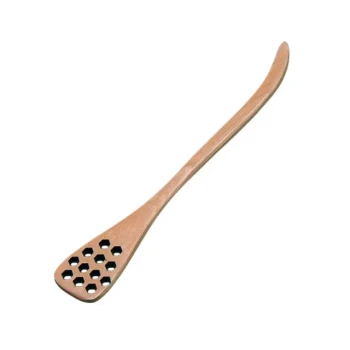
- Modern Honeycomb Pattern Wooden Honey Dipper for Stirring and Drizzling
- Economy Small Scale Honey Dryer Dehumidifier Thickening Machine
- Classic Honey Bear Jars with Flip Top Dispensing Cap for Liquid Sweeteners
- Inverted Squeezable Honey Jar with No Drip Flip Top Cap for Easy Pouring
People Also Ask
- Can you dehumidify honey? A Beekeeper's Guide to Preventing Fermentation
- How to dry up honey? The Safe Guide to Stabilizing Honey and Preventing Fermentation
- How can the moisture content of honey be reduced? A Guide to Safe, Effective Drying Methods
- How to remove humidity from honey? Protect Your Harvest from Fermentation
- How to decrease moisture in honey? Prevent Fermentation and Ensure Long-Term Quality