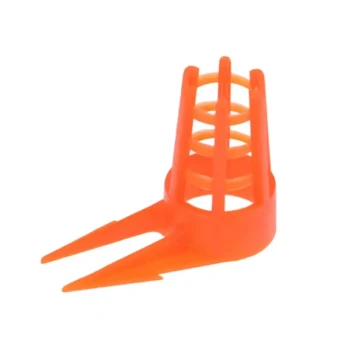
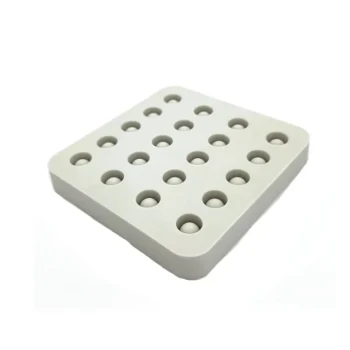
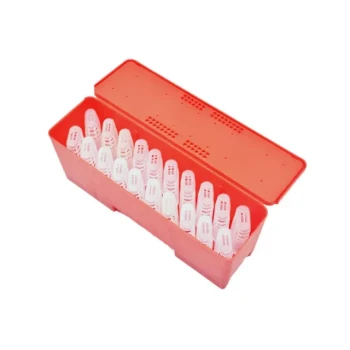
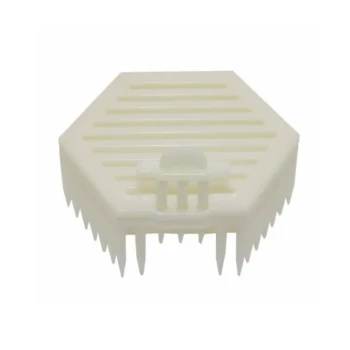
Queen cells are the specialized developmental vessels in which a honey bee larva transforms into a queen. While utilizing these cells is a cost-effective strategy for beekeepers, they are significantly more fragile than adult bees and require a specific management approach that accounts for the queen's post-hatch biological needs.
Using queen cells is a volume-based strategy that trades the certainty of a mated queen for lower upfront costs. Success relies on careful handling and purchasing extra inventory to offset the natural risks of hatching and mating.
The Biological Context
Function of the Queen Cell
A queen cell is a unique structure built by worker bees. It serves as the incubator where a chosen larva develops into a potential matriarch for the colony.
The Critical Mating Phase
The process is not complete when the queen emerges from the cell. Unlike a purchased "mated queen" who is ready to lay eggs immediately, a queen from a cell enters the hive as a virgin.
She must successfully complete mating flights with drones in the wild. This period typically lasts for about a week before she can begin laying eggs and contributing to the colony's population.
Understanding the Trade-offs
Fragility and Transport Risks
Queen cells are extremely fragile. Unlike adult queens, which are often transported in sturdy cages, the developing queen inside a cell is highly susceptible to damage from temperature fluctuations or physical jarring.
Lower Success Rates
The success rate for establishing a queen from a cell is statistically lower than introducing an already mated queen. Failure can occur at several points: the cell may be damaged during handling, the queen may fail to emerge, or she may be lost during her mating flights.
The Volume Strategy
To mitigate these risks, experienced beekeepers rarely purchase the exact number of cells they need.
The standard management requirement is to purchase queen cells in higher quantities than the target number of hives. This surplus compensates for the inevitable percentage of queens that will not successfully establish themselves.
Making the Right Choice for Your Goal
When deciding to utilize queen cells, align your management strategy with your resources and risk tolerance.
- If your primary focus is cost efficiency: Capitalize on the lower price of cells, but budget for a surplus order (e.g., 10-20% extra) to ensure you meet your hive count targets.
- If your primary focus is rapid colony growth: Be aware that there will be a delay in egg-laying (brood break) while the new queen hatches and completes her mating flights.
Successful use of queen cells requires anticipating loss and managing the timeline of the mating cycle rather than expecting immediate performance.
Summary Table:
| Feature | Queen Cell Characteristics | Management Requirement |
|---|---|---|
| Cost | Low upfront investment | Purchase 10-20% surplus to offset losses |
| Durability | Extremely fragile; sensitive to temp/shock | Handle with extreme care during transport |
| Productivity | Emerges as a virgin queen | Allow ~1 week for mating flights before egg-laying |
| Success Rate | Variable; dependent on mating success | Requires monitoring of post-hatch establishment |
| Best Use | Volume-based colony expansion | Ideal for cost-focused commercial operations |
Maximize Your Apiary’s Potential with HONESTBEE
Transitioning from queen cells to established colonies requires the right infrastructure. At HONESTBEE, we specialize in supporting commercial apiaries and distributors with a comprehensive range of professional-grade beekeeping solutions.
Whether you need precision hive-making machinery to house your expanding colonies, honey-filling machines to process your harvest, or high-quality consumables and hardware, we provide the tools necessary to scale your business efficiently.
Ready to elevate your wholesale beekeeping operations? Contact us today to discover how our premium equipment and industry expertise can streamline your production and boost your bottom line.
Related Products
- Brown Nicot Queen Cell Cups for Breeding Queen Bees Beekeeping
- JZBZ Type Wide Base Plastic Queen Cell Cups for Base Mounting and Queen Rearing
- Clear Black Plain Polystyrene Queen Bee Grafting Cell Cups No Lug for Bee Queen Cup
- JZBZ Style Shipping Cell Protector for Queen Rearing Kit
- Premium Nicot Style Cell Bar Holder and Queen Cell Cup Holder System
People Also Ask
- What role do specialized queen rearing tools play in developing mite-resistant honeybee stock? Master Genetic Selection
- What materials are used to make artificial queen cell cups for grafting? Beeswax vs. Plastic Guide
- What roles do specialized queen cell cups play in royal jelly production? Optimize Your Hive's Secretion and Yield
- How does the standardized depth of queen cell cups affect larval acceptance? Boost Success with 6mm Precision
- Why is a diluted royal jelly solution applied to queen cell cups? Boost Acceptance in Artificial Grafting