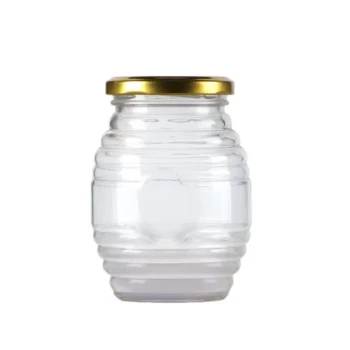
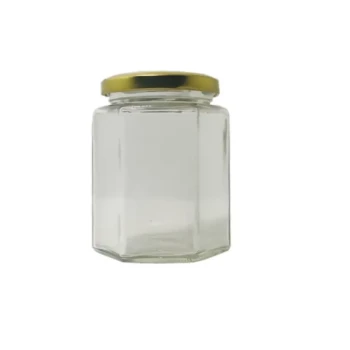
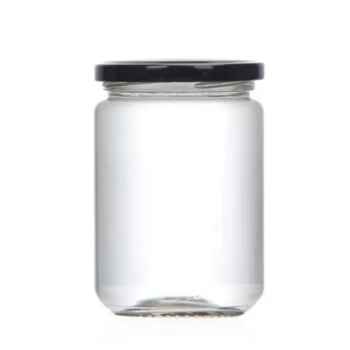
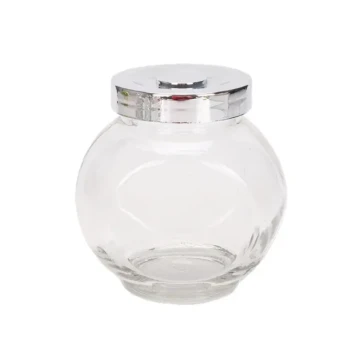
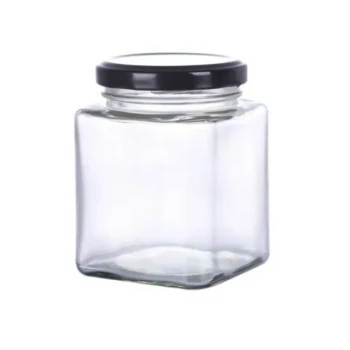
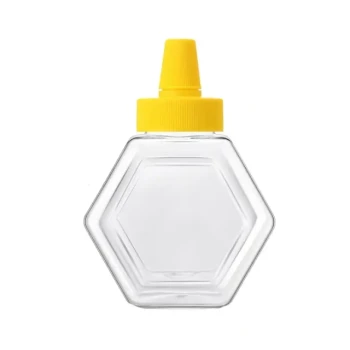
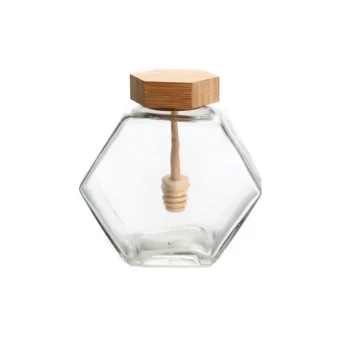
Standardized small-capacity glass bottles provide a dual advantage: they secure the product's chemical stability against fermentation and elevate its market positioning from a bulk commodity to a high-value medicinal good. By preventing secondary contamination and offering superior barrier properties, glass protects the unique acidity of stingless bee honey, while the standardized presentation facilitates entry into premium retail channels.
The Core Insight Stingless bee honey is biologically distinct from standard honey due to its high moisture and acidity, making it prone to spoilage in inferior packaging. Using small glass vessels is not just an aesthetic choice; it is a technical necessity to maintain chemical stability and a strategic move to signal "medicinal scarcity" rather than "food abundance."
The Hygienic Imperative
Chemical Stability and Acidity
Stingless bee honey is characterized by high acidity and unique bioactive components. Glass is chemically inert, meaning it will not react with these acidic elements.
This stability is critical for preserving the honey's physicochemical properties over time. Unlike some plastics, glass acts as a robust barrier that maintains the integrity of the honey’s original flavor and therapeutic profile.
Preventing Secondary Fermentation
Due to its naturally high water content, stingless bee honey is highly susceptible to natural fermentation and microbial growth.
Standardized glass bottles, particularly those treated for sterility, provide an exceptional seal against external moisture and air. This physical barrier effectively blocks contamination sources, extending shelf life without reliance on chemical preservatives.
Eliminating Contamination Risks
The transition to professional glass packaging mitigates the risk of secondary contamination during the filling process.
By moving away from bulk, open-vat storage to sealed, small-capacity units, producers ensure the final product meets rigorous safety standards required for modern retail.
Commercial Strategy and Positioning
Signaling Premium and Medicinal Value
Small-capacity packaging fundamentally shifts consumer perception. It frames the product not as a general sweetener, but as a scarce, high-value medicinal or cosmetic resource.
This presentation aligns with high-yield markets, such as pharmaceuticals and high-end beauty sectors. It allows producers to command higher margins per milliliter compared to low-margin bulk sales.
Building Trust Through Transparency
Glass offers superior transparency compared to other materials. This allows consumers to visually inspect the honey’s unique color and purity before purchase.
This visual clarity helps bridge the gap between production and retail, dispelling the "low-end" image often associated with opaque or bulk agricultural packaging. It builds immediate consumer trust in the product's quality.
Standardization and Retail Efficiency
Using standardized bottle specifications (e.g., specific gram or milliliter counts) facilitates a uniform market pricing system.
It streamlines logistics and display, making the product suitable for modern supermarket shelves, tourism gift shops, and boutique health stores. It creates a cohesive brand image that helps the product stand out in a competitive market.
Understanding the Trade-offs
While glass offers superior hygiene and premium branding, it presents logistical challenges compared to plastic.
Weight and Fragility: Glass is significantly heavier and more fragile than plastic, which can increase transportation costs and the risk of breakage during shipping.
Cost: High-quality, sterile glass containers generally have a higher upfront cost than plastic alternatives. Producers must ensure their market pricing strategy accounts for this increased packaging expense to maintain profitability.
Making the Right Choice for Your Goal
To maximize the value of your stingless bee honey, select your packaging strategy based on your target market:
- If your primary focus is the High-End Gift or Tourism Market: Prioritize highly transparent, unique glass shapes that showcase the honey's color and origin to justify a premium price point.
- If your primary focus is the Medicinal or Health Market: Utilize sterile, very small-capacity glass bottles (such as dropper bottles) to emphasize dosage precision and therapeutic potency.
- If your primary focus is Retail Scalability: Ensure your glass bottles are of a standard size that fits common shelf spacing and allows for uniform labeling and pricing.
Standardization in glass packaging is the bridge that carries stingless bee honey from the hive to the high-value commercial shelf.
Summary Table:
| Feature | Advantage of Glass Packaging | Commercial/Hygienic Impact |
|---|---|---|
| Chemical Stability | Chemically inert material | Preserves high acidity and medicinal properties |
| Microbial Control | Superior moisture/air barrier | Prevents secondary fermentation and spoilage |
| Market Perception | Small-capacity "medicinal" look | Shifts product from bulk food to high-value luxury |
| Consumer Trust | High transparency | Allows visual verification of purity and quality |
| Retail Readiness | Standardized dimensions | Facilitates uniform pricing and retail shelf logistics |
Elevate Your Honey Brand with HONESTBEE Professional Solutions
At HONESTBEE, we understand that premium products like stingless bee honey require superior protection and presentation. As a leading partner for commercial apiaries and global distributors, we provide the specialized tools you need to transition from bulk production to high-margin retail success.
How we add value to your business:
- Precision Machinery: From honey-filling machines designed for small-capacity bottles to hive-making equipment.
- Wholesale Excellence: A full spectrum of beekeeping tools and essential consumables tailored for large-scale operations.
- Brand Development: Honey-themed cultural merchandise to enhance your marketing and gift-market appeal.
Ready to scale your apiary and secure your product's medicinal value? Contact HONESTBEE today to explore our comprehensive wholesale offerings and machinery solutions.
References
- Rogel Villanueva-G, Wilberto Colli-Ucán. Extinction of<i>Melipona beecheii</i>and traditional beekeeping in the Yucatán peninsula. DOI: 10.1080/0005772x.2005.11099651
This article is also based on technical information from HonestBee Knowledge Base .
Related Products
- Classic Glass Honey Jar with Metal Lug Cap for Beehive Storage
- Economy Small Honey Filling Machine Honey Bottle Filler Packaging Machine
- Classic Beehive Honey Bottle Jar with Squeeze Dispenser Lid
- Hexagonal Glass Honey Jars with Metal Lug Caps Elegant Versatile Packaging
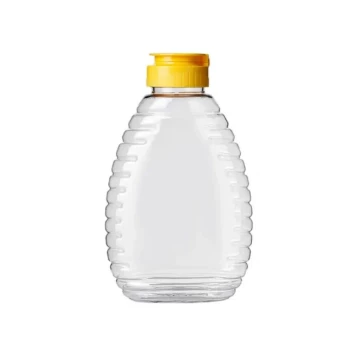
- Squeezable No-Drip Beehive-Shaped Honey Jars with Flip-Top Cap
People Also Ask
- What are the benefits of glass jars regarding strength and safety for storing honey? Ensure Purity and Long-Term Quality
- What are the advantages of using glass jars for honey storage? Ensure Purity and Premium Appeal for Your Product
- What are the benefits of using high-transparency Glass Jars for honey? Elevate Purity and Premium Branding
- What is the aesthetic appeal of using glass jars for honey? Elevate Your Brand with Premium Packaging
- Which container is best for storing honey? Preserve Purity & Flavor with the Right Choice