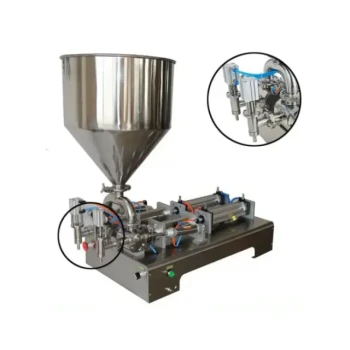
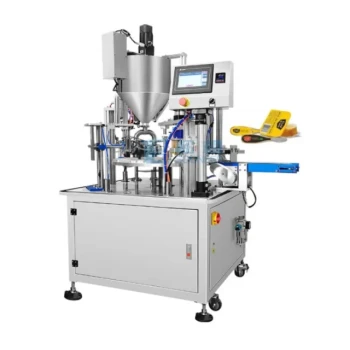
Product leakage in filling machines is most frequently caused by compromised seals or misalignment at the filling nozzle. To resolve this, operators must inspect seals for age, damage, or improper placement and verify that the nozzle is correctly aligned to ensure a secure interface.
Leakage is rarely a complex mystery; it is usually a symptom of component wear or mechanical misalignment. The most effective resolution lies in a rigorous inspection routine focused on the condition of the seals and the precise positioning of the nozzle.
Assessing Seal Integrity
The most common culprit for product leakage is the condition of the seals themselves. These components are the primary barrier against leaks, and their failure leads to immediate product loss.
The Impact of Age and Wear
Over time, seals degrade naturally. Old seals lose their elasticity and ability to maintain necessary pressure.
When a seal becomes brittle or compressed, it can no longer form a tight lock around the nozzle. This deterioration allows liquid to bypass the barrier.
Identifying Physical Damage
Beyond simple aging, seals often suffer physical trauma. Cracks, tears, or micro-fractures can occur during operation or cleaning.
You must thoroughly analyze the surface of the seal. Any visible damage, no matter how small, requires immediate replacement of the part.
Verifying Proper Placement
A new seal can still leak if it is installed incorrectly. Seals must be seated perfectly on the filling nozzle to function.
Check that the seal is not twisted, pinched, or sitting unevenly. Incorrect placement compromises the seal's geometry and leads to immediate leakage.
Addressing Nozzle Alignment
Even with perfect seals, the mechanical setup of the machine plays a critical role. The filling nozzle itself must be positioned with precision.
The Consequence of Misalignment
Poorly aligned filling nozzles create physical gaps in the filling path. If the nozzle does not mate correctly with the container or the valve mechanism, product will escape.
This misalignment forces product out sideways rather than directing it into the container.
Correcting the Position
To stop the leak, you must ensure the accurate alignment of the filling nozzle. This often involves re-calibrating the nozzle head to ensure it is centered and level.
Regular checks on alignment are essential, especially after machine changeovers or maintenance.
Common Pitfalls to Avoid
When troubleshooting leaks, it is easy to misdiagnose the root cause. Avoiding these errors saves time and spare parts.
Replacing Before Analyzing
Do not simply replace a seal without checking alignment first. If the nozzle is misaligned, a brand-new seal will likely leak or wear out prematurely.
Overlooking the "Seat"
Ensure you check where the seal sits, not just the seal itself. Debris or residue on the nozzle can prevent even a good seal from seating correctly.
Executing the Solution
Resolving leakage requires a systematic approach to inspection and adjustment. Use the following guide to address the specific nature of your problem.
- If your primary focus is immediate repair: Stop the machine and replace any seal that shows signs of aging, brittleness, or physical damage.
- If your primary focus is long-term prevention: Verify the accurate alignment of the filling nozzle during every setup to prevent mechanical gaps.
By treating seals and nozzle alignment as critical precision points, you eliminate waste and ensure consistent production quality.
Summary Table:
| Leak Cause | Primary Symptom | Recommended Action |
|---|---|---|
| Aged/Worn Seals | Brittleness, loss of elasticity | Replace with new, high-elasticity seals |
| Physical Damage | Visible cracks or micro-fractures | Immediate part replacement |
| Improper Placement | Uneven seating or pinched seals | Reseat seal; ensure it is not twisted |
| Nozzle Misalignment | Product escaping sideways | Re-calibrate nozzle head & center position |
| Debris on Seat | Gaps in seal interface | Clean nozzle surface and seal housing |
Streamline Your Production with HONESTBEE Precision Solutions
Don't let leakage disrupt your commercial apiary or distribution line. HONESTBEE specializes in supporting professional beekeeping operations with heavy-duty honey-filling machines, hive-making equipment, and a full spectrum of industry consumables.
Whether you are looking to upgrade your machinery for better reliability or need a consistent wholesale partner for specialized beekeeping tools and honey-themed merchandise, we deliver the expertise you need to scale.
Maximize your efficiency and eliminate waste—contact our specialist team today for tailored equipment solutions!
Related Products
- Precision Durable Efficient HONESTBEE Rotary Honey Filling Machine
- Pneumatic Paste Filling Machine Bottling Packaging Machine Single Nozzle
- Pneumatic Double Nozzle Honey Filling Bottling Packaging Machine
- Economy Small Honey Filling Machine Honey Bottle Filler Packaging Machine
- Precision Automated Packaging Turntable Honey Spoon Filling Sealing Packing Machine
People Also Ask
- What quality control role does professional honey filling equipment perform? Ensure Consistency and Product Stability
- How do high-precision honey filling machines ensure quality? Optimize Your Commercial Production with HONESTBEE
- What is a key feature of the new generation of the honey filling machine? The Advanced Electronic Control Unit
- How do honey filling and processing machines aid native bee product conservation? Boost Value with HONESTBEE Technology
- What are the common types of bottling machines used for honey? Choosing the Right Solution for Your Apiary