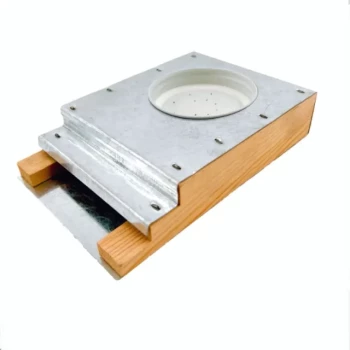
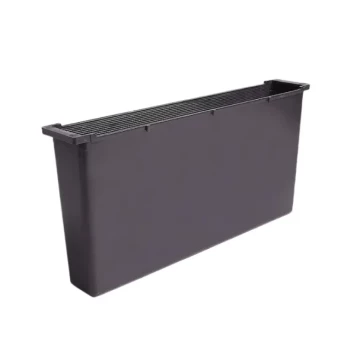
Internal jar feeding relies on enclosing the feeder within the hive's protective structure. The process invariably involves placing an extra, empty hive body on top of the brood nest to house the jars. Inside this shell, beekeepers typically utilize one of three arrangements: placing jars directly on the frame top bars for maximum warmth, setting a Boardman base on the inner cover, or elevating jars on sticks over the inner cover's central hole for easier maintenance.
The core principle of internal jar feeding is proximity without exposure. By bringing the feed inside the hive, you protect the syrup from robbers and cold temperatures, but you must choose a placement method that balances the colony's immediate nutritional needs with your ability to refill the jars without disrupting the cluster.
The Essential Setup: Creating the Feeding Chamber
Before selecting a specific placement method, you must establish the physical space required to house the equipment.
The Protective Shell
You cannot place a jar feeder inside a standard hive setup without modification.
You must place an extra empty hive body (deep or medium super) on top of the active colony.
The Enclosure Function
This empty box acts as a shell, surrounding the jars and preventing weather, pests, or robber bees from accessing the feed.
The hive's outer cover is then placed on top of this empty shell to seal the unit.
Method 1: Direct Contact for Critical Aid
This method prioritizes immediate access over convenience. It is the most aggressive approach for feeding colonies that are struggling.
Placing Jars on Top Bars
In this configuration, you invert the jar (with a perforated lid) and place it directly onto the top bars of the frames where the bees are clustered.
Best Use Case: Weak Colonies
This technique is specifically recommended for weak colonies or during cold weather.
The Thermal Advantage
Because the jar sits directly on the cluster, the heat rising from the bees keeps the syrup warm, making it easier for a lethargic colony to consume.
Method 2: Utilizing the Inner Cover
For stronger colonies or routine feeding, utilizing the inner cover acts as a helpful buffer between the beekeeper and the brood nest.
The Boardman Base Modification
A Boardman feeder is typically designed for the hive entrance, but it can be adapted for internal use.
You place the Boardman base (holding the jar) directly on top of the inner cover.
This should be positioned near the central opening of the inner cover to ensure bees can find the food source quickly.
The Elevated Platform Approach
This is arguably the most user-friendly method for the beekeeper.
You place two small sticks of wood or a custom holder across the central hole of the inner cover.
Improving Access
You then invert the jar and rest it on these sticks.
This elevates the jar, allowing bees to access the syrup through the lid from underneath without blocking the entire hole.
Minimizing Disturbance
The primary reference notes that this method allows for easier refilling with minimal disturbance.
Because the bees remain below the inner cover, you can swap jars without exposing the colony's core to cold air or agitation.
Understanding the Trade-offs
While jar feeders are versatile, each internal method carries specific operational risks.
Equipment Requirements
Unlike entrance feeders, all internal methods require you to have spare hive bodies available to act as shells.
Temperature Sensitivity
Internal jars rely on a vacuum seal.
If the temperature fluctuates drastically (causing the air inside the jar to expand or contract), the syrup may drip, potentially wetting or drowning bees below.
Disturbance vs. Proximity
There is a direct trade-off between heat and hassle.
Placing jars on top bars keeps feed warm but requires you to open the brood nest to refill.
Placing jars on the inner cover makes refilling easy but keeps the food further away from the cluster's heat source.
Making the Right Choice for Your Goal
Select the method that aligns with the current health of your bees and the ambient conditions.
- If your primary focus is saving a weak or frozen colony: Use the direct top bar method to ensure the syrup is warm and immediately accessible to the cluster.
- If your primary focus is ease of maintenance: Use the elevated jar method on the inner cover to allow for quick refills without disturbing the bees.
Internal jar feeding is a flexible strategy that, when matched to the colony's condition, ensures safe and consistent nutrition.
Summary Table:
| Method | Placement Location | Best For | Key Advantage |
|---|---|---|---|
| Direct Contact | Frame Top Bars | Weak or cold colonies | Maximizes syrup warmth from cluster heat |
| Boardman Adaptation | On Inner Cover | Routine feeding | Uses existing hardware in a protected environment |
| Elevated Platform | Over Inner Cover Hole | Efficient maintenance | Quick refills with minimal colony disturbance |
Scaling Your Beekeeping Success with HONESTBEE
Whether you are managing a few backyard hives or a massive commercial apiary, HONESTBEE is your dedicated partner in professional bee management. We specialize in supporting commercial apiaries and distributors with high-performance wholesale solutions, including:
- Precision Machinery: Advanced hive-making and honey-filling machines to automate your production.
- Comprehensive Hardware: From durable feeders to high-quality beekeeping tools and protective gear.
- Industry Consumables: A full spectrum of essential supplies to keep your colonies thriving.
Take your operation to the next level with our expert engineering and premium supplies. Contact us today to discuss your wholesale needs and discover how our equipment can optimize your apiary's productivity!
Related Products
- Classic Boardman Entrance Bee Feeder Hive Front Feeding Solution
- Rapid Bee Feeder White Plastic 2L Round Top Feeder for 8 or 10-Frame Bee Hives
- White Plastic 0.5L Beekeeping Entrance Feeder for Bees
- HONESTBEE Entrance Bee Feeder Efficient Hive Front Liquid Feeding Solution for Beekeeping
- HONESTBEE Round Hive Top Bee Feeder for Syrup
People Also Ask
- What are the advantages and disadvantages of using an entrance feeder for bees? Balance Convenience and Hive Security.
- What types of bee feeders are available for beginners? Start with the Simple Entrance Feeder
- How do you make an entrance feeder for bees? A Guide to Safe & Effective Hive Feeding
- What is a recommended alternative use for an entrance feeder instead of providing sugar syrup? - Water Feeding Tips
- What are the advantages and disadvantages of an entrance feeder? Optimize Your Apiary's Feeding Strategy