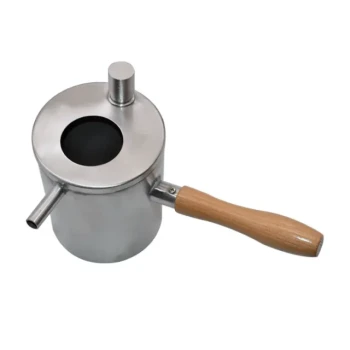
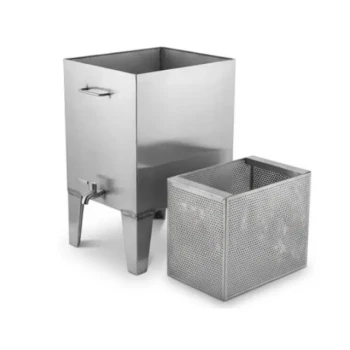
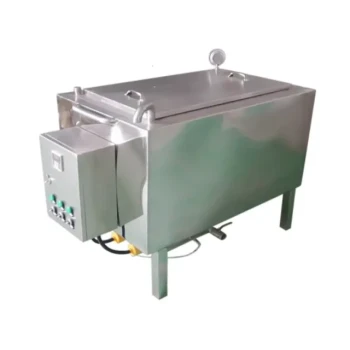
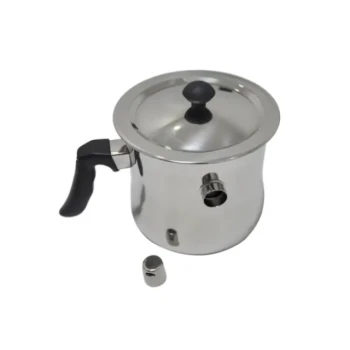
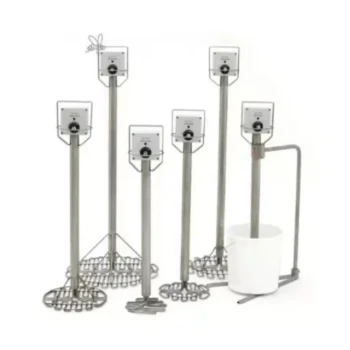
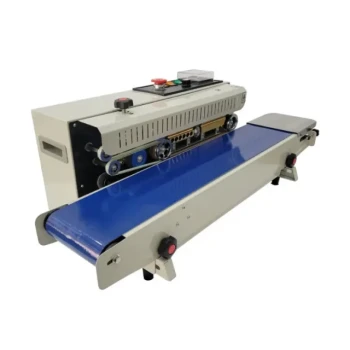
Wax melters available to beekeepers are primarily categorized by the energy source used to generate heat. While all designs utilize a tank for containment, the four most common types are solar-powered devices, steam plants, centrifugal machines, and electric models.
The Core Insight Selecting the right wax melter is not just about heating wax; it is about matching the energy source to your processing volume and environment. While solar options offer cost-free operation, steam, electric, and centrifugal systems provide the consistency required for larger operations.
Categorization by Energy Source
The primary differentiator between melters is how they generate the thermal energy required to render the wax.
Solar-Powered Devices
These units rely entirely on passive solar energy. They typically consist of an insulated box with a glass top that traps heat, melting the wax inside the tank. They are highly valued for their simplicity and lack of ongoing energy costs.
Steam Plants
Steam melters utilize hot vapor to melt wax and separate it from impurities. This method is particularly effective for reclaiming wax from old combs, as the steam penetrates the slurry thoroughly.
Electric Models
Electric melters use heating elements to maintain consistent temperatures. These are favored for their reliability and independence from weather conditions, allowing for indoor or overnight processing.
Centrifugal Machines
These devices combine heat with mechanical force. By spinning the wax mixture at high speeds, they use centrifugal force to separate the lighter wax from heavier impurities, often resulting in a very clean final product.
Understanding Heating Mechanics
Beyond the energy source, it is helpful to understand the internal engineering used to apply heat to the wax.
Water Jacket Heating
Many electric and steam models utilize a water jacket system. This involves a double-walled tank filled with water, acting like a large double boiler. This method ensures indirect, even heating, which prevents the wax from scorching or discoloring.
Direct Heating and Convection
Some simpler models apply heat directly to the tank or use hot air convection. While effective, these require careful monitoring to avoid overheating the wax, which can damage its quality.
Common Trade-offs and Considerations
Every melting method involves specific compromises regarding speed, cost, and efficiency.
Weather Dependency vs. Reliability
Solar melters are completely dependent on bright, consistent sunlight. In cloudy regions or during winter months, their utility drops significantly compared to electric or steam models, which work on demand.
Speed vs. Operational Cost
Centrifugal and steam systems process wax rapidly, making them ideal for commercial scales. However, they come with higher initial equipment costs and ongoing energy consumption compared to passive solar units.
Complexity and Maintenance
Electric and centrifugal machines have moving parts or heating elements that may eventually require repair. In contrast, solar melters have no moving parts, offering a virtually maintenance-free lifespan.
Making the Right Choice for Your Goal
To select the appropriate melter, assess your volume of wax and your available resources.
- If your primary focus is low cost and small volume: Choose a solar melter, as it requires no electricity and effectively manages waste wax from smaller apiaries.
- If your primary focus is processing speed and volume: Opt for a steam or centrifugal machine, which can render large batches of old comb quickly regardless of the weather.
- If your primary focus is precision and indoor use: Select an electric model with a water jacket, ensuring consistent temperatures and safety for indoor processing.
The best melter is the one that fits your apiary's workflow without becoming a bottleneck in your operation.
Summary Table:
| Melter Type | Energy Source | Key Advantage | Best For |
|---|---|---|---|
| Solar Melter | Passive Solar | Zero energy cost & low maintenance | Small-scale hobbyists & eco-friendly setups |
| Steam Plant | Hot Vapor | Efficient reclamation from old combs | Large-scale processing & deep cleaning |
| Electric Model | Electric Element | Consistent, weather-independent heat | Indoor use & precision temperature control |
| Centrifugal | Heat + Kinetic | Rapid separation of impurities | High-volume commercial honey production |
Optimize Your Wax Processing with HONESTBEE
At HONESTBEE, we specialize in empowering commercial apiaries and distributors with high-performance beekeeping technology. Whether you need precise electric wax melters, industrial honey-filling machines, or robust hive-making machinery, our comprehensive wholesale offering ensures your operation runs at peak efficiency.
From essential consumables to specialized hardware, we provide the tools you need to scale your honey production and business.
Ready to upgrade your equipment? Contact HONESTBEE today for wholesale pricing and expert guidance!
Related Products
- Professional Stainless Steel Wax Melter for Beekeeping and Crafts
- Steam Beeswax Melter Wax Warmer for Wax Processing
- Electric Commercial Beeswax Melter for Factory Use
- Beeswax Melter for Candle Making Honey Bee Wax Melter
- Solar Beeswax Melter Easy Solar Wax Melter for Beeswax
People Also Ask
- What are the benefits of using a professional wax melter? Achieve Consistent, Scalable, and Safe Production
- What are the two main types of wax melters available? A Guide to Direct vs. Indirect Heat
- What are the types of wax melters available? Choose the Right Heating Method for Your Project
- What is the fundamental operating principle of a wax melter? Master the Thermal Phase Change for Pure Beeswax
- What do you use a wax melter for? From Home Fragrance to Professional Beekeeping