Choosing small-volume packaging for stingless bee honey is a strategic necessity driven by the product's scarcity, volatility, and value. Because this honey has a significantly lower yield and higher medicinal value than common honey, using containers such as 100ml bottles aligns with its premium market positioning. This size ensures the product remains economically accessible to consumers while rigorously maintaining biological activity and quality stability during storage and distribution.
Core Insight: Small-volume packaging is not merely a marketing preference; it is a critical control measure for preserving the stability of bioactive, high-moisture stingless bee honey. It bridges the gap between high production costs and consumer accessibility, effectively repositioning the product from a general sweetener to a high-value medicinal commodity.
The Strategic Logic Behind Small-Volume Packaging
Aligning with Low Yield and High Value
Stingless bee honey is a scarce resource with a yield significantly lower than that of standard honey. Packaging this product in large volumes would result in a prohibitive retail price that alienates most consumers.
By utilizing small-capacity consumables (such as 100ml bottles), producers can set a price point that reflects the honey's premium nature without making it unaffordable. This strategy directly supports the product's positioning as a "superfood" or medicinal item rather than a bulk grocery staple.
Preserving Biological Stability
Unlike standard honey, stingless bee honey is highly bioactive and chemically complex. Small packaging helps maintain this quality stability throughout the supply chain.
By limiting the volume, producers reduce the honey's exposure to environmental factors once opened by the consumer. This ensures that the medicinal properties and unique acidity of the honey remain intact from the bottling line to the last drop.
Managing High Moisture and Fermentation Risks
Stingless bee honey typically possesses a higher water content than Apis mellifera honey, making it naturally susceptible to fermentation and spoilage.
High-standard sterile packaging is essential to mitigate this risk. Small, sterile bottles treated through physical sterilization block contamination sources. This extends shelf life without the need for chemical preservatives, ensuring the product meets rigorous safety standards despite its high moisture levels.
The Role of Material Selection
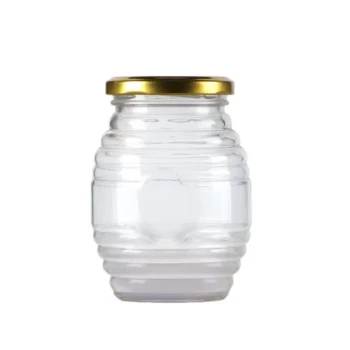
The chemical stability of the packaging material is vital. High-quality glass bottles are the standard choice because they offer exceptional barrier properties against external contaminants.
Glass is chemically inert, meaning it will not react with the high acidity of stingless bee honey. Furthermore, the transparency of glass allows for visual inspection, building consumer trust and reinforcing the "clean label" appeal of the product.
Understanding the Trade-offs
Standardization vs. Customization
While unique bottle shapes can be eye-catching, standardized small-capacity bottles are often superior for commercial scaling.
Standardized bottles facilitate entry into modern retail channels and e-commerce platforms, which often have specific shelving and shipping requirements. They also signal professionalism and hygiene reliability to the consumer, distinguishing the product from amateur or counterfeit production.
The Need for Specialized Equipment
Transitioning to small-volume, high-value packaging shifts the production model. It moves away from simple bulk filling to a need for professional labeling and packaging systems.
To effectively target pharmaceutical or beauty markets (e.g., using eye-dropper bottles or cosmetic jars), producers must invest in machinery capable of precision filling and labeling. This ensures accurate communication of attributes like Halal certification, origin, and health benefits, which are essential for justifying the price premium.
Making the Right Choice for Your Product Strategy
When selecting packaging for stingless bee honey, your decision should depend on your specific market goals:
- If your primary focus is Brand Positioning: Select high-quality, transparent glass to visually demonstrate purity and justify the premium price point associated with medicinal value.
- If your primary focus is Product Quality: Prioritize sterile containers with superior sealing capabilities to prevent leakage and fermentation caused by the honey's high water content.
- If your primary focus is Retail Expansion: Adopt standardized 100ml dimensions to ensure compliance with modern retail shelving standards and to facilitate efficient e-commerce logistics.
Ultimately, the packaging must protect the honey's volatile biology while signaling its scarcity to the consumer.
Summary Table:
| Key Consideration | Rationale for Small-Volume (100ml) | Impact on Product |
|---|---|---|
| Market Value | High price per unit due to scarcity | Increases consumer accessibility & affordability |
| Bioactivity | Reduces exposure to air and contaminants | Preserves medicinal properties & chemical stability |
| Moisture Content | Higher water content risks fermentation | Enhances quality control & extends shelf life |
| Material Choice | Use of chemically inert glass containers | Prevents reactions with acidity & builds trust |
| Logistics | Standardized dimensions for retail/e-commerce | Simplifies shipping and improves shelf-readiness |
Elevate Your Stingless Bee Honey Brand with HONESTBEE
Maximize the market potential of your premium honey with professional-grade solutions. HONESTBEE specializes in supporting commercial apiaries and distributors with a comprehensive wholesale offering designed for high-value products.
From precision honey-filling machines capable of handling small-volume 100ml bottles to high-standard sterile packaging consumables, we provide the tools you need to maintain biological stability and justify premium pricing. Whether you are scaling up production or entering new retail markets, our portfolio of beekeeping machinery, specialized hardware, and honey-themed merchandise ensures your brand stands out.
Ready to optimize your production and protect your liquid gold?
Contact HONESTBEE Today for Custom Wholesale Solutions
References
- Firdaus Basrawi, Ahmad Syazwan Ramli. Engineering economic analysis of meliponiculture in Malaysia considering current market price. DOI: 10.1051/matecconf/201713104005
This article is also based on technical information from HonestBee Knowledge Base .
Related Products
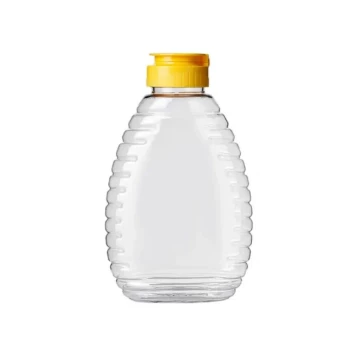
- Squeezable No-Drip Beehive-Shaped Honey Jars with Flip-Top Cap
- Classic Beehive Honey Bottle Jar with Squeeze Dispenser Lid
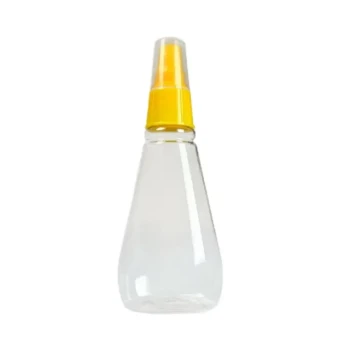
- Premium PET Squeeze Honey Bottle with Ergonomic Grip and Rotary Dispenser
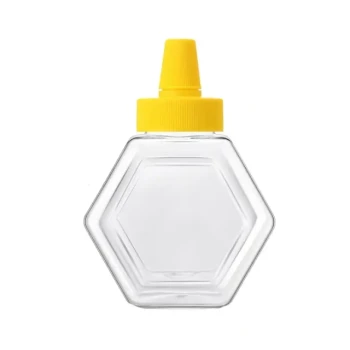
- Hexagonal Squeeze Honey Bottle with No Drip Lid
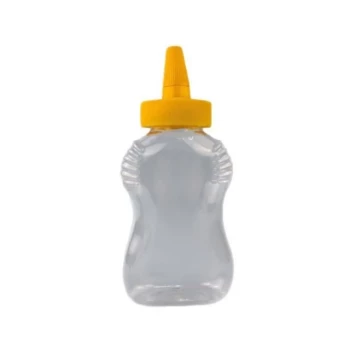
- Ergonomic Squeezable Honey Bottle with Precision Twist Nozzle Cap
People Also Ask
- What food safety standards must honey containers meet? Expert Guide to Packaging Integrity & Hygiene
- Why is it important to distinguish between weight and volume when selecting honey containers? Maximize Profits Now
- What are the benefits of purchasing honey containers in bulk? Maximize Margins & Secure Your Supply Chain
- What types of containers are ideal for storing liquid honey? Preserve Quality with Glass or Plastic
- How many jars of honey can you get from a hive? Maximize Your Yield with Strong Hive Management