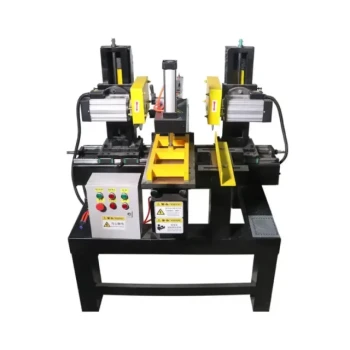
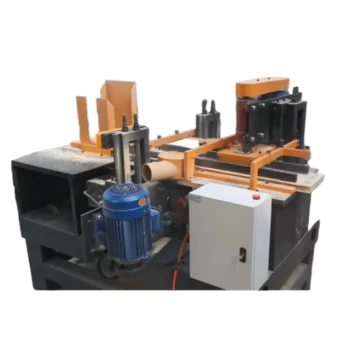
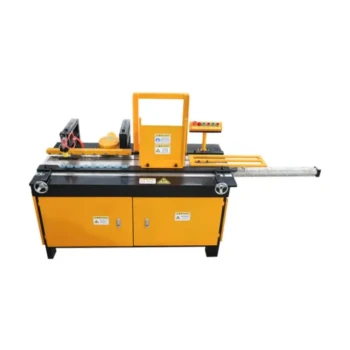
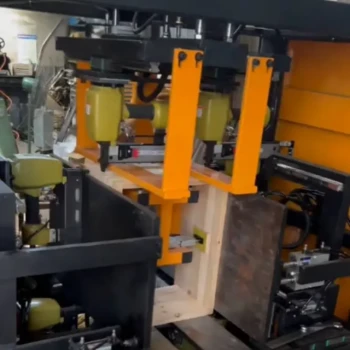
Standardized beehive manufacturing equipment fundamentally transforms beekeeping from a manual craft into a scalable industry by producing hives with rigorous physical consistency. This precision facilitates large-scale mechanized transport and optimizes the internal micro-environment of the hive, significantly reducing colony losses caused by external environmental fluctuations.
The transition to standardized equipment allows beekeeping bases to achieve true economies of scale. By ensuring every hive component is interchangeable and structurally precise, operators can automate logistics, optimize labor, and stabilize colony health across thousands of units.
Enhancing Operational Logistics
Streamlined Transportation and Mobility
For large-scale operations, particularly migratory beekeeping, logistics are a primary bottleneck. Manufacturing equipment produces hives with uniform specifications, which is critical for mechanized loading and transport.
Standardized dimensions ensure hives stack securely and efficiently on trucks. This structural stability protects colonies during long-distance travel, enabling efficient pollination services and movement between nectar sources without the risk of equipment failure.
Universal Component Interchangeability
A major advantage of industrial-grade manufacturing is the complete interchangeability of parts. Frames, lids, and supers produced by these machines fit any hive in the operation.
This eliminates the time wasted matching specific components to specific boxes. It allows for rapid swapping of resources between colonies, making daily inspection and maintenance tasks significantly faster and more professional.
Optimizing the Biological Environment
Precision Climate Control
Beyond logistics, manufacturing equipment utilizes precise physical designs to enhance the insulation and ventilation performance of the hive.
Manual construction often leads to gaps or inconsistencies that compromise the hive's internal climate. Machine-precision minimizes these variances, creating a stable micro-environment that protects the colony from drastic temperature changes and ensures survival during nectar dearth periods.
Reducing Colony Loss
The stability provided by standardized equipment directly correlates to lower mortality rates. By mitigating the impact of environmental fluctuations, colonies remain healthier and stronger.
This "high-precision management model" ensures that bees can resume honey production rapidly when resources become available, rather than expending energy recovering from environmental stress.
Driving Economic Efficiency
Reducing Expansion Costs
Automated manufacturing significantly lowers the hardware investment costs required for expansion. High-efficiency machinery allows operations to rapidly produce the volume of hives needed to scale up without a linear increase in cost.
Compliance and Quality Assurance
For bases targeting high-end or organic markets, automated equipment ensures strict adherence to regulations. Machines can consistently process specific materials required for organic production, guaranteeing that large-scale supplies meet quality standards that might vary with manual production.
Understanding the Trade-offs
While standardized manufacturing offers immense benefits for scale, it introduces specific rigidities.
Uniform Vulnerability: If the standardized design has a minor flaw—such as slightly insufficient ventilation for a specific extreme climate—that flaw is replicated across every single hive in the operation. Unlike manual setups where variation occurs, a design error here is systemic.
Capital vs. Labor: Adopting this model shifts the burden from operational labor to upfront capital investment. You are trading the ongoing cost of manual adjustments for the initial expense of high-precision machinery and standardized inventory.
Making the Right Choice for Your Goal
To maximize the value of standardized equipment, align your implementation with your specific operational focus:
- If your primary focus is Migratory Beekeeping: Prioritize equipment that guarantees structural stability and stackability to minimize damage during frequent mechanized transport.
- If your primary focus is Rapid Expansion: Leverage automated manufacturing to lower the per-unit cost of hardware, allowing you to deploy colonies faster than competitors.
- If your primary focus is Organic Certification: Use the precision of manufacturing machinery to ensure strict material compliance and ventilation standards required for organic labeling.
Standardization is not just about organizing equipment; it is the infrastructure that allows a beekeeping operation to move from survival to predictable, high-yield production.
Summary Table:
| Key Advantage | Impact on Operations | Economic & Biological Benefit |
|---|---|---|
| Structural Uniformity | Enables mechanized transport and secure stacking. | Reduces logistical costs and transport-related colony loss. |
| Interchangeable Parts | Frames, lids, and supers fit any hive instantly. | Streamlines maintenance and optimizes labor efficiency. |
| Precision Engineering | Eliminates gaps for superior insulation/ventilation. | Stabilizes hive micro-environment and boosts survival rates. |
| Automated Production | Rapid manufacturing of high-volume hive units. | Lowers per-unit investment and accelerates base expansion. |
| Material Compliance | Consistent processing for organic/high-end standards. | Ensures regulatory compliance and higher market value. |
Scale Your Apiary with HONESTBEE Precision
Transitioning from manual craft to a high-yield industrial operation requires the right infrastructure. HONESTBEE specializes in empowering commercial apiaries and distributors with the high-precision tools needed for global competitiveness.
Our value to your business:
- Comprehensive Wholesale Offering: From professional hive-making and honey-filling machines to essential consumables.
- Industrial Efficiency: We provide the hardware and machinery that ensure every component is interchangeable and structurally superior.
- Full Spectrum Support: We cater to every need, including specialized beekeeping tools and honey-themed cultural merchandise.
Ready to modernize your production and maximize your honey yield?
Contact HONESTBEE Today for a Professional Consultation
References
- David De Jong, Philip J. Lester. The global challenge of improving bee protection and health. DOI: 10.3389/frbee.2023.1118292
This article is also based on technical information from HonestBee Knowledge Base .
Related Products
- High-Efficiency Pneumatic Bee Hive Making Machine for Rapid Box Assembly
- Mini Desktop Bee Hive Frame Forming Making Machine
- Beehive Machine Double End Saw for Precision Hive Component Manufacturing
- HONESTBEE Bee Frame Side Bar Forming Machine Precision Engineered for High-Volume Production Bee Frame Machine
- Beehive Handle and Frame Rest Cutting Machine: Your Specialized Hive Machine
People Also Ask
- How does the introduction of professional beehive-making machinery benefit sustainable beekeeping? Scale Your Apiary
- Why is specialized beehive-making machinery critical for low-defense breeding? Enhance Selection with Precision Tools
- How does the introduction of specialized beehive making machinery contribute to increasing the scale of regional beekeeping industries?
- What is the importance of specialized beehive making machinery in a circular bio-economy? Build Local Sustainability
- Why is specialized beehive-making machinery essential? Scale Your Apiary with Precision Industrial Standards