Securing the delicate structural integrity of comb honey requires a specialized approach to packaging that prioritizes physical protection, airtight sealing, and food-grade certification. To prevent the fragile beeswax walls from collapsing and to stop the honey from absorbing moisture—which leads to fermentation—distributors must utilize industrial-grade plastic boxes or reinforced customized cardboard containers. These materials serve as a critical barrier against compression during transport and ensure the product reaches the end consumer in its pristine, natural state.
Core Takeaway: For B2B resellers, the primary requirement for comb honey packaging is a dual-function system that provides rigid structural support to prevent honeycomb deformation while maintaining a hermetic seal to preserve chemical stability and market value.
Ensuring Physical Integrity and Structural Support
Protection Against Compression and Deformation
Because comb honey is sold in its original beeswax structure, it is exceptionally vulnerable to mechanical stress. Industrial-grade, food-grade plastic boxes or customized rigid containers are essential to shield the honeycomb from the weight and vibrations inherent in global logistics. Without this structural reinforcement, the delicate wax cells can collapse, leading to a loss of visual appeal and product "leakage" that ruins the inventory.
The Role of Shallow Trays in Cut Comb
For cut honeycomb blocks, the use of food-grade shallow trays is a professional standard for direct-contact packaging. These trays support the block's base and allow for a small amount of liquid honey to be added, which prevents the wax from sticking to the container. This technique not only enhances the product's visual fullness but also adds a layer of hydraulic cushioning that further protects the comb during circulation.
Atmospheric Control and Shelf-Life Extension
Preventing Moisture Absorption and Fermentation
Honey is hygroscopic, meaning it naturally attracts moisture from the air, which can trigger fermentation and spoilage. High-quality airtight sealing is a non-negotiable requirement to isolate the honey from atmospheric humidity. By maintaining a strict moisture barrier, distributors can ensure a longer shelf life and reduce the risk of inventory loss, especially in regions with high humidity or long transit times.
Maintaining Hygienic Standards and Purity
Beyond moisture, packaging must act as a total barrier against external contaminants and odors. Professional-grade materials ensure that no harmful substances migrate from the container into the honey, safeguarding the "organic" or "natural" status of the product. Utilizing a full-spectrum portfolio of tested, food-safe materials is the only way to guarantee that the complex biological nutrients of comb honey remain intact.
Marketability and Brand Strategy
Visual Integrity as a Sales Driver
In the B2B sector, the visual presentation of comb honey is its most potent marketing tool. Packaging must be crystal clear and high-gloss to showcase the complex texture of the natural beeswax walls. A premium finish communicates quality to the consumer, allowing wholesalers to command higher margins and build brand recognition in competitive markets.
Diversifying Formats for Global Reach
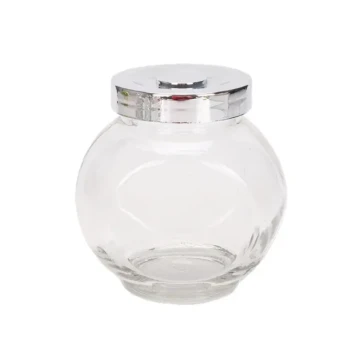
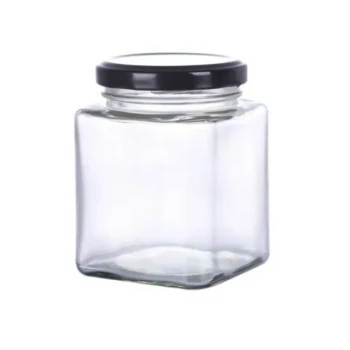
Offering a variety of packaging formats—such as sachets, pouches, and glass jars—allows distributors to cater to different regional preferences and price points. A versatile sourcing partner can provide these varied options with rapid response times, ensuring that resellers can adapt quickly to shifting market demands. This flexibility in packaging design is crucial for maximizing market share across both premium and mass-market segments.
Understanding the Trade-offs
Balancing Protection with Shipping Costs
While heavy-duty, rigid containers provide the best protection for the honeycomb, they also increase the total volumetric weight of the shipment. Distributors must weigh the cost of premium, thicker-walled packaging against the potential "logistics losses" incurred by using cheaper, thinner materials. Choosing a supplier with deep professional industry expertise can help identify the "sweet spot" where protection is maximized without unnecessarily inflating freight expenses.
Sustainability vs. Conventional Plastics
There is a growing demand for environmentally friendly packaging in the organic honey sector. However, many biodegradable materials may lack the high-performance sealing properties or the structural rigidity required for heavy comb honey. Resellers must carefully evaluate whether eco-friendly alternatives meet the strict food-grade safety standards necessary to prevent contamination over long storage periods.
How to Optimize Your Packaging Strategy
When selecting a sourcing partner for comb honey packaging, focus on providers who offer a blend of technical performance and efficient fulfillment.
- If your primary focus is reducing logistics losses: Prioritize industrial-grade, rigid plastic containers with reinforced corners to withstand high-stacking pressures during transport.
- If your primary focus is premium market positioning: Opt for ultra-clear, food-grade trays that allow the natural geometry of the honeycomb to be the center of the brand's visual identity.
- If your primary focus is organic compliance: Ensure all materials are certified as non-migratory and provide a total hermetic seal to prevent external contamination.
By integrating high-performance materials with a reliable, fast-response supply chain, distributors can guarantee product excellence from the apiary to the retail shelf.
Summary Table:
| Requirement | Key Purpose | Recommended Materials |
|---|---|---|
| Structural Support | Prevents wax collapse and leakage | Industrial-grade plastic boxes, reinforced cardboard |
| Atmospheric Control | Stops moisture absorption and fermentation | Airtight hermetic seals, high-performance pouches |
| Food-Grade Safety | Guarantees purity and non-migratory standards | Certified food-safe shallow trays and containers |
| Visual Clarity | Enhances marketability and premium branding | Crystal-clear, high-gloss plastics or glass jars |
Scale Your Apiary Business with HONESTBEE
Are you a distributor, wholesaler, or B2B reseller seeking a reliable supply chain partner? HONESTBEE offers a comprehensive one-stop sourcing solution tailored to your needs. From specialized honey-filling and hive-making machinery to a full spectrum of food-grade packaging consumables, we provide the tools you need to maximize profit margins and ensure supply reliability.
Why partner with HONESTBEE?
- Deep Industry Expertise: Professional guidance on the best packaging for global logistics.
- Rapid Fulfillment: Ultra-fast delivery and efficient order processing to keep your inventory moving.
- Comprehensive Portfolio: Access everything from essential beekeeping hardware to honey-themed cultural merchandise.
Ready to enhance your product quality and operational efficiency? Contact our expert team today to explore our wholesale offerings!
References
- Rüveyda YÜZBAŞIOĞLU. Bireylerin Bal Tüketimi ve Yöresel Ürün Olan Zara Balı Tercih Nedenleri (Sivas İli Merkez İlçe Örneği). DOI: 10.33462/jotaf.863430
This article is also based on technical information from HonestBee Knowledge Base .
Related Products
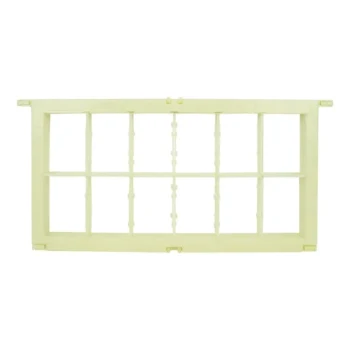
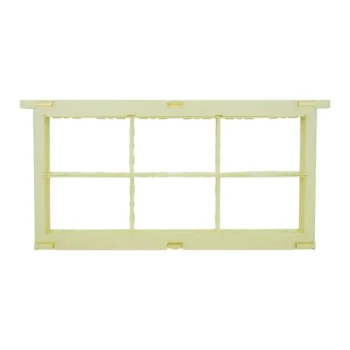
- Plastic Honey Comb Frames Cassette Box for Honey
- Heart-Shaped Comb Honey Frame and Honeycomb Cassette
- Professional Sectional Comb Honey Frame with 250g Cassette System for Beekeeping
- Professional 500g Sectional Comb Honey Frame System for Beekeeping
- Stainless Steel Jack Type Honey Comb Press Machine Wax and Honey Separator
People Also Ask
- How are honeybee combs utilized for non-destructive colony monitoring? Master Population Density Tracking
- What is the significance of sampling honeycomb frames and hive bottoms? A Guide to Scientific Sanitation Monitoring
- What is a honeycomb frame? The Key to Modern, Sustainable Beekeeping
- What is the technical purpose of exchanging honeycomb frames? Master Apiary Equalization for Growth
- What frame to use for honeycomb? Choose the Right System for Pure, Edible Comb