The primary difference between wood and plastic beehive frames lies in their assembly requirements and repairability. Wood frames are modular, requiring initial assembly but allowing for individual part replacement. Plastic frames are typically molded as a single unit with the foundation included, offering immediate convenience but requiring the entire frame to be discarded if the foundation becomes unusable.
Core Takeaway Wood frames favor the beekeeper who values sustainability and repairability, despite the higher upfront labor. Plastic frames prioritize immediate ease of use and pest resistance, but they suffer from a finite lifespan that results in greater waste when the integrated foundation fails.
Durability and Lifespan
The Repairability of Wood
Wood frames are highly durable because they are modular. If a top bar or side bar breaks, or if the wax foundation needs replacing, you can repair the specific component without discarding the whole unit.
The "All-in-One" Plastic Limitation
Plastic frames generally come with the foundation molded directly into the frame. While the material is rot-resistant, the primary limitation is that the foundation cannot be replaced separately.
Failure Points in Plastic
According to the primary technical data, plastic frames are prone to cracking after a few years of use. Once the integrated comb or foundation is no longer usable, the entire frame becomes trash.
Workflow and Assembly
The Labor Cost of Wood
Wooden frames often arrive unassembled. This requires a significant investment of time to glue and nail the frame components together.
Wiring Requirements
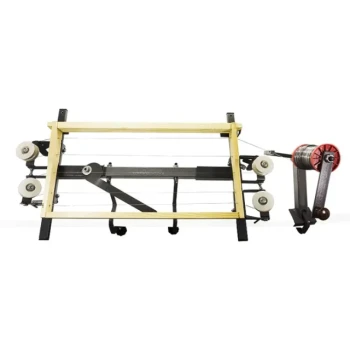
High-quality wood frames typically require cross-wiring to support the weight of the brood and honey. Beekeepers must install stainless steel wire or heavy-duty fishing line to secure the wax foundation, adding to the setup time.
The Convenience of Plastic
Plastic frames are essentially "plug-and-play." Because the foundation is built-in, they require zero assembly time, making them an attractive option for large-scale commercial operations looking to reduce labor costs.
Bee Acceptance and Biological Factors
Natural Preference
Wood is a natural material that bees accept readily. When paired with real wax foundation, there is virtually no hesitation from the colony to begin building comb.
The Plastic Acceptance Barrier
Bees are sometimes reluctant to draw comb on plastic surfaces. To mitigate this, plastic frames often require a coating of beeswax to encourage the bees to accept the artificial foundation.
Pest Resistance
Plastic frames offer an advantage in hygiene. They are impervious to wax moths, which can burrow into wooden frames, and are generally easier to clean and sterilize than porous wood.
Understanding the Trade-offs
The Sustainability Trade-off
Choosing wood supports a cycle of maintenance; you fix what breaks. Choosing plastic commits you to a cycle of replacement; when the comb is old or the frame cracks, you generate more waste.
The Rigidity vs. Flexibility
Wood has a natural "give" and can warp, but it handles the stress of hive tools well. Plastic is rigid, which prevents warping, but that same rigidity leads to the brittle failure (cracking) mentioned in technical reports.
Making the Right Choice for Your Apiary
Select your frame material based on your labor capacity and long-term management philosophy.
- If your primary focus is sustainability and natural beekeeping: Choose wood frames, as they allow you to replace only the wax foundation and repair broken parts, minimizing waste.
- If your primary focus is minimizing setup time: Choose plastic frames, but be prepared to wax-coat them for acceptance and discard the entire unit when it eventually cracks or degrades.
- If your primary focus is pest management: Choose plastic frames, as they resist wax moth damage and are easier to sterilize in a commercial setting.
The best choice balances the time you have available for assembly against your tolerance for discarding equipment once it reaches the end of its lifecycle.
Summary Table:
| Feature | Wood Beehive Frames | Plastic Beehive Frames |
|---|---|---|
| Assembly | Required (Modular parts) | None (Single molded unit) |
| Repairability | High (Individual parts replaceable) | Low (Must discard entire frame) |
| Bee Acceptance | High (Natural material) | Moderate (Requires beeswax coating) |
| Pest Resistance | Prone to wax moth damage | High (Impervious to moths) |
| Durability | Long-lasting with maintenance | Prone to cracking/brittleness over time |
| Sustainability | High (Renewable & repairable) | Low (Increased plastic waste) |
Maximize Your Apiary Efficiency with HONESTBEE
Whether you prioritize the natural sustainability of wooden frames or the labor-saving convenience of plastic frames, HONESTBEE provides the high-quality equipment you need to scale your operation. As a premier partner for commercial apiaries and distributors, we offer a comprehensive wholesale catalog including:
- Durable Hardware: Precision-engineered hive-making and honey-filling machinery.
- Beekeeping Essentials: A full spectrum of tools, modular frames, and industry consumables.
- Cultural Merchandise: Unique honey-themed products to diversify your retail offerings.
Partner with HONESTBEE for reliable bulk supply and expert solutions tailored to the modern beekeeping industry.
Contact Our Wholesale Team Today
Related Products
- Wooden Bee Hive Frames for Beekeeping and Wholesale
- Assembled Wooden Bee Frames with Plastic Foundation for Durability and Convenience by HONESTBEE
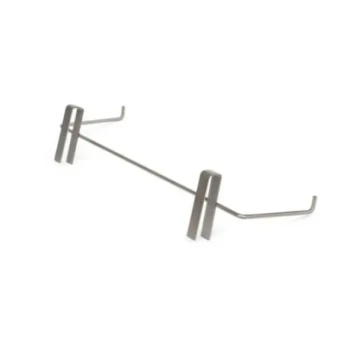
- Heavy-Duty Stainless Steel Clip-On Frame Perch
- HONESTBEE Wired and Assembled Wooden Bee Frames Foundation for a Thriving Hive
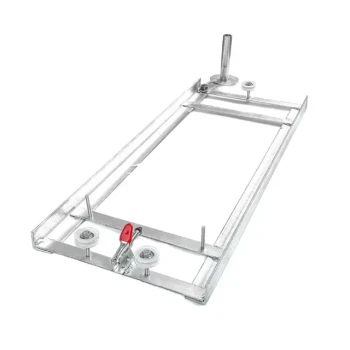
- Professional Galvanized Steel Frame Rest for Beehives
People Also Ask
- How do wooden and plastic hive frames compare in terms of durability? Wood vs. Plastic Longevity & Repairability
- How does balancing the number of frames impact hive productivity? Optimize Your Apiary's Biological Output
- What are the main considerations when choosing between wooden and plastic bee hive frames? Optimize Your Apiary's Efficiency
- How should beehive frames be maintained to prolong their lifespan? 5 Pro Tips for Durable Beekeeping Equipment
- Can I reuse old beehive frames? Save Money and Boost Hive Productivity