The fundamental difference lies in equipment complexity and comb preservation. Harvesting from a top bar hive is a low-tech "crush and strain" process using basic household items, whereas Langstroth harvesting is a mechanized process requiring specialized equipment to spin honey out while preserving the wax comb.
Core Takeaway Top bar harvesting is accessible and inexpensive, prioritizing simplicity over volume by sacrificing the wax comb during harvest. Langstroth harvesting requires a significant investment in specialized machinery, but it maximizes honey production by preserving the comb for immediate reuse by the colony.
The Equipment Barrier
Top Bar: Minimalist Approach
For a top bar hive, the barrier to entry is extremely low. The process typically requires only basic kitchen utensils, such as a knife to cut the comb and a bowl for collection.
Langstroth: Specialized Tooling
Harvesting from a Langstroth hive is capital-intensive. It necessitates specialized and expensive tools, including a hot knife or capping fork to open cells, a capping tank, and a centrifugal extractor to spin the frames.
The Harvesting Procedure
Top Bar: Destructive Harvesting
The harvesting method for top bar hives is destructive to the honeycomb. You must use a knife to cut the entire honeycomb from the starter strip on the wooden bar.
Once removed, the comb is mashed to open the honey cells. The mixture of wax and honey is then strained through cheesecloth to separate the liquid honey from the beeswax.
Langstroth: Preservation Harvesting
The Langstroth process is designed to extract honey without destroying the comb. Beekeepers remove the wax cappings with a hot knife or fork, then place the frames into an extractor.
The extractor spins the frames, using centrifugal force to pull the honey out. The empty, intact wax frames are then returned to the hive for the bees to refill immediately.
Understanding the Trade-offs
Colony Energy and Production
Because top bar harvesting destroys the comb, the colony must expend significant energy and resources to rebuild the wax before they can store more honey. This generally results in lower overall honey yields compared to Langstroth hives.
In a Langstroth system, the bees are given back drawn comb. This allows them to focus their energy entirely on foraging and nectar collection, maximizing production volume.
Comb Stability and Handling
Top bar combs hang from a single bar without a surrounding frame, making them highly fragile. They cannot be tilted or handled roughly, as the heavy comb can easily break off, a problem that is difficult to repair.
Langstroth combs are built within four-sided frames. This structure makes them stable and durable during the high-speed spinning of the extraction process.
Storage and Logistics
Langstroth beekeeping requires significant storage space for extractors, extra hive boxes (supers), and drawn frames. These stored components are vulnerable to pests, specifically wax moths, when not in use.
Top bar hives are generally self-contained units. Since the comb is harvested and processed immediately, there is no need to store empty combs or bulky extraction equipment.
Making the Right Choice for Your Goal
While the biology of the bee remains the same, your choice of hive dictates your workflow and investment.
- If your primary focus is low-cost entry and simplicity: Choose the top bar hive to avoid purchasing expensive processing equipment and to eliminate storage issues.
- If your primary focus is maximizing honey volume: Choose the Langstroth hive to leverage reusable combs and extraction machinery for higher yields.
Your decision ultimately relies on whether you value the efficiency of the process or the simplicity of the practice.
Summary Table:
| Feature | Top Bar Hive Harvesting | Langstroth Hive Harvesting |
|---|---|---|
| Primary Method | Crush and Strain (Destructive) | Centrifugal Extraction (Preservation) |
| Required Tools | Basic kitchen knife, bowl, cheesecloth | Extractor, uncapping knife, capping tank |
| Comb Outcome | Destroyed/Melted for wax | Preserved and reused by bees |
| Honey Yield | Lower (energy spent rebuilding wax) | Higher (energy spent on nectar collection) |
| Equipment Cost | Low / Minimalist | High / Specialized |
| Storage Needs | Minimal (no extra frames/boxes) | High (storing supers and extractors) |
| Comb Stability | Fragile; cannot be tilted | High; supported by four-sided frames |
Maximize Your Apiary’s Productivity with HONESTBEE
Whether you are scaling a commercial apiary or supplying the next generation of beekeepers, HONESTBEE provides the professional-grade tools you need to succeed. From high-efficiency centrifugal extractors and honey-filling machines for Langstroth systems to specialized hardware and essential consumables, our comprehensive wholesale portfolio is designed for durability and performance.
Partner with HONESTBEE for:
- Industrial-Grade Machinery: Streamline your honey processing with our advanced extraction and hive-making equipment.
- Wholesale Supplies: A full spectrum of beekeeping tools and industry consumables tailored for distributors.
- Cultural Merchandise: Expand your retail offering with our unique honey-themed merchandise.
Ready to elevate your beekeeping business? Contact us today to explore our wholesale solutions!
Related Products
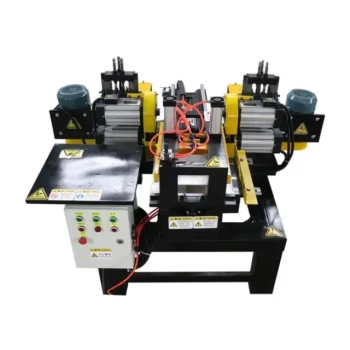
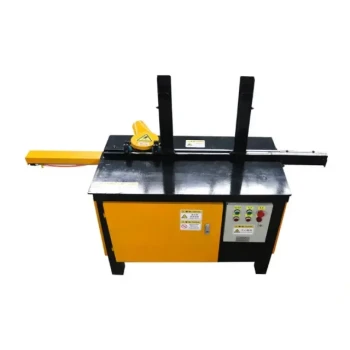
- HONESTBEE Top Bar & Bottom Bar Forming Machine | Bee Frame Machine
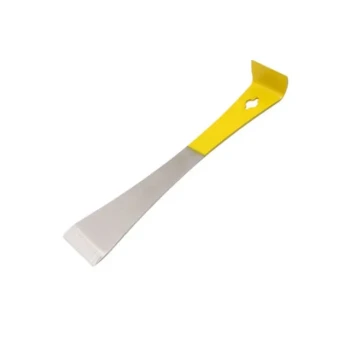
- Professional Stainless Steel Pry-Bar Hive Tool
- Ergonomic Two Person Foldable Hive Lifter
- Long Langstroth Style Horizontal Top Bar Hive for Wholesale
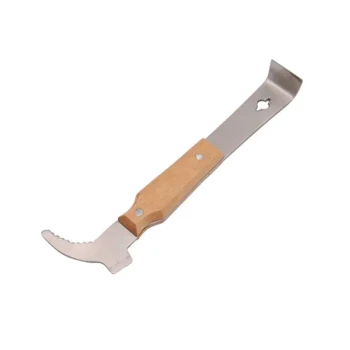
- All-Stainless Steel Pivoting Honey Uncapping Fork for Beekeeping
People Also Ask
- What is the primary function of the Top Bar and Bottom Bar Forming Machine? Automate Hive Frame Production Excellence
- How does the Top Bar and Bottom Bar Forming Machine process wooden strips? High-Precision Frame Component Production
- What is the operational sequence of the Top Bar and Bottom Bar Forming Machine? Precision Beekeeping Frame Manufacturing
- What are the key benefits of investing in the Top Bar and Bottom Bar Forming Machine? Scale Your Hive Production Now
- What customization options are available for the Top Bar and Bottom Bar Forming Machine? Engineered for Any Hive Standard