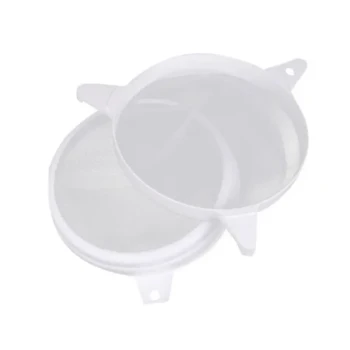
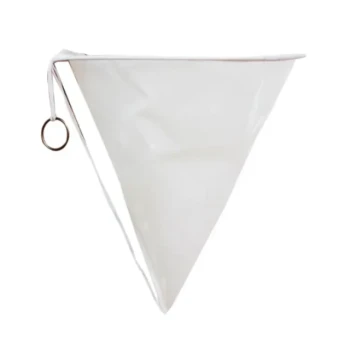
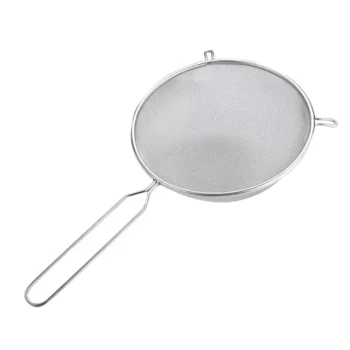
There are three primary approaches for processing honey extracted from a press: bypassing filtration entirely, using rigid mechanical sieves, or employing flexible fabric filters. To implement these methods effectively, you typically position a standard double-sieve stainless steel strainer or a nylon filtering bag over a bottling pail, allowing the honey to flow directly from the press into the filtration medium.
Filtering honey is a balancing act between aesthetics and composition; while it removes unsightly debris like wax and bee parts, rigorous filtration often removes beneficial pollen, altering the "raw" nature of the final product.
The Minimalist Approach: No Filtration
Direct Bottling
If your goal is a truly raw product, you can bypass filtration entirely.
This involves filling jars directly from the press output. This method is acceptable only if you and your consumers are comfortable with the presence of small particles, such as beebread (pollen) and wax flakes, suspended in the honey.
Mechanical Filtration Methods
Stainless Steel Double-Sieves
This is the standard industry practice for achieving a balance between clarity and flow.
A double-sieve system consists of a coarse upper mesh and a fine lower mesh. You place this unit directly over a bottling pail positioned under the press. As honey pours through, the top tier catches large debris like wax caps, while the lower tier catches finer particulates.
Combination Tanks
For larger operations, specialized equipment combines the sieving and storage steps.
These units feature built-in sieves and bottling tanks, streamlining the transition from the press to the final package. This reduces the amount of equipment handling required.
Fabric Filtration Methods
Nylon Filtering Bags
A popular alternative to steel sieves is the use of a nylon filtering bag.
The bag is secured over the opening of the bottling pail or suspended inside it. The honey drains through the fabric mesh, which is effective at polishing the honey for a clear appearance.
Cost-Effective Alternatives
For beekeepers on a budget or those needing ad-hoc solutions, household items can serve as effective filters.
Nylon stockings, pantyhose, or cheesecloth can be stretched over a sieve or bucket. For scenarios requiring higher durability during the pour, drainage filter cloths offer added strength compared to standard fabrics.
The Bottling Workflow
The Catch-and-Bottle System
Regardless of the filter medium used, the physical setup remains consistent.
You position a bottling pail under the honey press to catch the flow. The chosen filter (sieve or bag) sits on top of this pail. Once the pail is full and the honey has passed through the filter, you use the honey gate (valve) at the bottom of the pail to fill your final jars cleanly.
Understanding the Trade-offs
Aesthetic Appeal vs. Natural Content
Filtering significantly changes the visual presentation of your honey.
By removing insect parts, propolis, and beeswax, filtration creates a "semi-crystal-clear" look that many consumers find more appealing. However, this clarity comes at a cost: tighter filtration methods frequently remove pollen, which is a major concern for enthusiasts seeking the full nutritional profile of raw honey.
Processing Efficiency
The type of filter affects how quickly you can process the harvest.
While machines exist to filter raw, unpasteurized honey efficiently, manual fabric or fine mesh filters can slow down the flow as they become saturated with debris.
Making the Right Choice for Your Goal
Select your filtration method based on who will be consuming the honey.
- If your primary focus is nutritional integrity: Skip filtration or use a very coarse sieve to ensure pollen and wax flakes remain in the jar.
- If your primary focus is retail appeal: Use a double-sieve stainless steel strainer or nylon bag to remove visible debris and achieve a clear, professional finish.
- If your primary focus is budget: Utilize nylon stockings or cheesecloth as a temporary, low-cost solution for effectively removing bee parts and wax.
The best method is the one that aligns the visual expectations of your customer with the preservation of the honey's natural qualities.
Summary Table:
| Filtration Method | Primary Equipment | Best For | Clarity Level |
|---|---|---|---|
| No Filtration | Direct-to-jar | Nutritional integrity, raw honey enthusiasts | Low (contains wax/pollen) |
| Mechanical | Stainless steel double-sieve | Professional retail balance | Moderate to High |
| Fabric | Nylon bags, cheesecloth | Budget-friendly polishing | High (removes most debris) |
| Combination | Sieve & bottling tank | High-volume commercial efficiency | High |
Elevate Your Honey Production with HONESTBEE
Whether you are a commercial apiary or a global distributor, HONESTBEE provides the professional-grade equipment you need to achieve the perfect harvest. From high-efficiency honey-filling machines and specialized hive-making hardware to a comprehensive range of wholesale beekeeping tools and consumables, we empower your business to deliver premium quality products.
Ready to scale your operations or upgrade your wholesale portfolio? Contact HONESTBEE today to explore our full spectrum of honey-themed merchandise and heavy-duty machinery tailored for industry leaders.
Related Products
- Electric Double Wall Honey Filtering Machine Purifier Equipment for Honey Processing Plant
- Two-Stage Plastic Honey Filter for Buckets
- Professional Stainless Steel Honey Filtering Machine with Water Bath Heating for Beekeeping
- Honey Concentrating and Filtering Dehumidifier Machine 2T Capacity for Honey
- Professional Honey Filter with Tripod Support Stand
People Also Ask
- What is the process of filtering honey? A Guide to Clean, Pure, and Market-Ready Honey
- What types of equipment are used in honey filtering? Build an Efficient System for Pure, Marketable Honey
- What is the overall importance of using the right equipment in honey filtering? Boost Quality & Marketability
- What steps are involved in maintaining honey filtering equipment? A Guide to Protecting Your Honey Quality
- What are the benefits of drying honey filtering equipment after use? Protect Your Honey Quality & Equipment Investment