Honey extraction is the removal of honey from the honeycomb structure for consumption or bottling. The specific methods defined for this process include using honey extractors, the straining extraction method, the bulk extraction method, the pressing extraction method, and the water bath extraction method.
Core Insight: The ideal extraction method depends heavily on whether you intend to reuse the honeycomb. Mechanical extractors use centrifugal force to separate honey while preserving the comb structure, whereas pressing and straining methods require crushing the comb but demand less complex machinery.
Preparing for Extraction
Determining Readiness
Before selecting a method, you must ensure the honey is ripe. The primary indicator is when the bees have capped the cells with a layer of wax.
This usually occurs in the fall when the supers are filled. Extracting before the honey is fully capped and ripe can result in a product with incorrect moisture content.
Hygiene Protocols
Honey is a food product, making sanitation critical during the extraction process. The workspace must be free of dirt, and personal hygiene—including clean hands and tied-back hair—is mandatory.
Contaminants must be avoided strictly. For example, smoking or chewing betel nut is prohibited during extraction to prevent foreign matter from entering the honey.
Method 1: The Centrifugal Extractor
How It Works
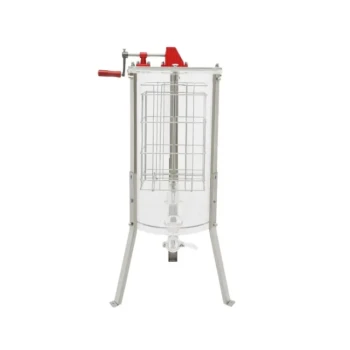
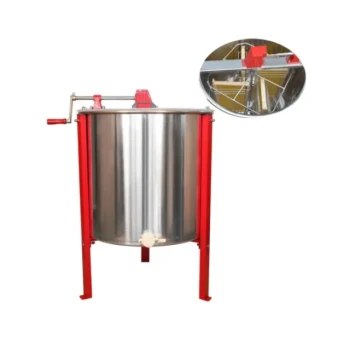
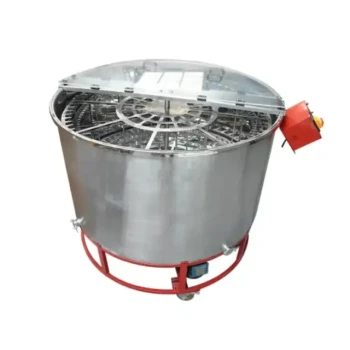
This is a popular method that uses a machine consisting of a drum with a rotating basket. The centrifugal force generated by spinning the basket flings the liquid honey out of the combs.
The Process
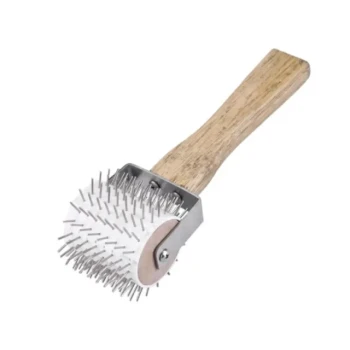
First, use an uncapping knife (often heated) to slice the wax cappings off the combs. These cappings are collected in an uncapping tank. The frames are then placed in the extractor and spun.
Manual vs. Electric Control
Manual extractors are highly effective and offer distinct advantages in quality control. They allow the operator to physically control the rotation speed, which minimizes damage to the delicate honeycomb cells compared to automated speeds.
Critical Quality Control
Honey extractors must be used with a strict comb-sorting process. If you process all combs indiscriminately, the force can extract excessive pollen and foreign matter, potentially altering the fructose and glucose proportions. Only honey-bearing combs should be extracted to maintain chemical purity.
Method 2: The Pressing Extraction Method
How It Works
This method utilizes a honey press to physically squeeze the honey out of the comb. It is distinct from the extractor method in both operation and efficiency.
The Process
The press basket, a perforated cylinder, is filled almost to the top with crushed comb. The operator turns a handle to wind the press down, applying pressure to the wax and honey slurry.
Pacing for Efficiency
This is a slow process that cannot be rushed. If the handle becomes difficult to turn, you must pause for one or two minutes to allow honey to drain before continuing. Forcing the handle can damage the equipment or trap honey.
Alternative Methods
Straining and Bulk Extraction
The straining extraction method involves separating the honey from wax and debris using a filter or strainer. This is often the final step in other methods but can be a primary method when combined with gravity (dripping).
The bulk extraction method is listed as a distinct approach, typically utilized when processing large quantities where individual frame handling is not feasible.
Water Bath Extraction
The water bath extraction method is another recognized technique. While the specific mechanics often involve heating to lower viscosity, it is categorized as a standalone method for removing honey from the comb.
Understanding the Trade-offs
Comb Preservation vs. Destruction
The most significant trade-off is the state of the honeycomb after harvest. Extractors preserve the comb, allowing beekeepers to return the drawn comb to the hive for immediate reuse by the bees. Pressing requires crushing the comb, meaning the bees must rebuild the wax structure from scratch.
Purity vs. Volume
Using an extractor indiscriminately to maximize volume can lower quality. Over-extraction can introduce excess pollen and debris. Conversely, pressing is thorough but introduces more wax particles that must be settled out later.
Making the Right Choice for Your Goal
To select the best method for your needs, consider the following recommendations:
- If your primary focus is preserving honeycomb for reuse: Use a centrifugal honey extractor (preferably manual) to keep the cells intact for the next season.
- If your primary focus is low-cost equipment: Use the pressing extraction method, as it avoids the need for complex spinning machinery, though it requires crushing the comb.
- If your primary focus is maximum chemical purity: Use an extractor with a strict comb-sorting protocol, ensuring only honey-bearing combs are spun to avoid pollen contamination.
Regardless of the method chosen, the final step should always involve a storage tank where honey is allowed to settle and clear before bottling.
Summary Table:
| Extraction Method | Primary Mechanism | Comb Preservation | Best For |
|---|---|---|---|
| Centrifugal Extractor | Centrifugal Force | High (Reusable) | Commercial yield & comb reuse |
| Pressing Method | Physical Pressure | Low (Crushed) | Low-cost setups & small batches |
| Straining Method | Gravity/Filtration | Low (Crushed) | Artisanal purity & simplicity |
| Water Bath | Heat/Viscosity | Variable | Specialized processing |
Maximize Your Honey Production Efficiency with HONESTBEE
Whether you are scaling a commercial apiary or supplying beekeeping enthusiasts, HONESTBEE provides the professional-grade tools you need for every extraction method. From high-precision centrifugal extractors and uncapping knives to robust honey-filling machines and hive-making equipment, we offer a comprehensive wholesale portfolio for distributors and large-scale operations.
Our specialized machinery and essential industry consumables are designed to improve your workflow and ensure the highest chemical purity of your honey. Elevate your business today—contact our experts for wholesale pricing and customized equipment solutions!
Related Products
- Stainless Steel 3 Frame Manual Honey Extractor Spinner for Bee Honey Extraction
- Manual Hand Crank 4 Frame Honey Extractor Centrifuge for Beekeeping
- HONESTBEE 3-Frame Manual Acrylic Honey Extractor
- HONESTBEE 2 Frame Manual Acrylic Honey Extractor Beekeeping Equipment
- Stainless Steel Manual 8 Frame Radial Honey Extractor Machine for Beehives
People Also Ask
- Which type of honey extractor is generally more durable? Focus on Material & Build Quality for Longevity
- What are the disadvantages of a manual honey extractor? Overcome Efficiency Bottlenecks in Your Apiary
- What is a manual honey extractor? The Essential Guide to Cost-Effective Beekeeping for Beginners
- Why are manual extractors popular among beginner beekeepers? A Guide to Starting Simple & Saving Money
- What are the primary advantages of utilizing a manual honey extractor? Cost-Effective & Gentle Harvesting