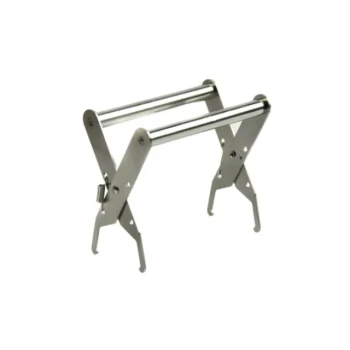
Beehive stands are acquired primarily through two methods: purchasing a pre-made commercial option or constructing a custom solution (DIY). These support structures vary in configuration, designed to accommodate either a single hive or multiple hives depending on your apiary layout.
Core Takeaway While commercial stands provide immediate convenience, building your own offers superior control over ergonomics and cost. The optimal choice requires balancing your budget against the need for specific working heights and the availability of materials.
Analyzing Acquisition Strategies
The Commercial Route
Purchasing a commercial stand is the most convenient option for immediate setup. These units are "ready to use" straight out of the box, requiring minimal assembly or fabrication.
However, this convenience comes at a premium; commercial stands can be expensive. Furthermore, they are often manufactured to standard dimensions, meaning they may not be at the desired height for your specific physical requirements.
The DIY Approach
Building your own stand (DIY) offers significant flexibility regarding design and function. This approach allows you to customize the dimensions to fit specific environmental circumstances in your apiary.
From a cost perspective, DIY is often superior. It allows you to utilize materials already on hand, such as scrap lumber or cinder blocks, drastically reducing the financial investment.
Configuration Types
Single-Hive Arrangements
Stands designed for a single hive offer modularity in your apiary layout. This allows you to space colonies further apart to reduce drift or manage aggressive hives individually.
Multi-Hive Systems
Alternatively, stands can be constructed or purchased to hold multiple hives on a single frame. This consolidates your workspace, making it easier to inspect several colonies in sequence without moving equipment long distances.
Critical Considerations and Trade-offs
The Ergonomics of Height
The most significant trade-off between buying and building is ergonomic customization. Beekeeping involves lifting heavy boxes; a stand that is too low causes back strain.
Commercial stands lock you into a fixed height that may not suit your stature. A DIY approach allows you to measure your exact waist height and build the stand to match, ensuring long-term physical comfort.
Compatibility with Hive Design
You must ensure your stand matches the physical footprint of your hive type.
Langstroth hives utilize stackable square boxes for vertical expansion. These require a compact, stable base capable of supporting significant vertical weight.
Top Bar hives feature a horizontal design where bees build natural comb. Because these hives are long and do not stack, they require a stand with a wide, elongated footprint to support the full length of the trough.
Making the Right Choice for Your Goal
Select your stand based on your resources and physical needs.
- If your primary focus is immediate convenience: Purchase a commercial stand to get your apiary running without construction time.
- If your primary focus is budget or ergonomics: Build a DIY stand to minimize costs and ensure the working height is customized to your body.
- If your primary focus is material efficiency: Opt for a multi-hive DIY stand to support more colonies with fewer structural legs and supports.
The right stand is not just a platform; it is the foundation that makes your apiary sustainable and comfortable to work in.
Summary Table:
| Feature | Commercial Stands | DIY (Custom) Stands |
|---|---|---|
| Cost | Higher initial investment | Lower cost (uses scrap/surplus) |
| Setup Time | Immediate, ready-to-use | Requires time for construction |
| Height | Fixed/Standard dimensions | Fully customizable for ergonomics |
| Flexibility | Limited to manufacturer design | High; fits any site or hive type |
| Best For | Fast setup for beginners | Long-term comfort & budget-saving |
Scale Your Apiary with HONESTBEE
Whether you are managing a commercial apiary or supplying a distribution network, HONESTBEE provides the industrial-grade solutions you need. Beyond high-quality beehive stands, we offer a comprehensive wholesale portfolio including:
- Precision Machinery: Hive-making and honey-filling machines to automate your production.
- Professional Equipment: A full spectrum of beekeeping tools and essential consumables.
- Cultural Merchandise: Unique honey-themed products to expand your market reach.
Ready to enhance your operational efficiency and minimize physical strain? Contact HONESTBEE today to discuss how our wholesale machinery and equipment can drive your business forward.
Related Products
- Metal Hive Feet Bee Hive Stand for Ant Protection
- Metal Bee Hive Stand Bee Box Stand for Beekeeping
- Plastic Bee Hive Stand for Beekeeping
- Professional Ant-Proof Beehive Stand with Integrated Moat for Beekeeping
- Wooden Bee Hive Frames for Beekeeping and Wholesale
People Also Ask
- What are the benefits of elevating a bee hive with a stand or base? Protect Your Colony and Your Back
- How does a beehive stand protect against predators and pests? Essential Strategies for Colony Security
- How should the height of a beehive stand be determined? Find Your Ergonomic Sweet Spot
- What to stand a beehive on? The Best Foundation for a Healthy, Manageable Apiary
- What is the best base for a beehive? Choose the Right Stand for Colony Health