The critical period immediately following uncapping determines both the quality of your current harvest and the longevity of your apiary equipment. Once the wax seal is broken, you must transition into a coordinated workflow involving three distinct areas: mechanical extraction, wax resource management, and equipment sanitation. Neglecting any one of these steps can result in lost yield, contaminated product, or damaged machinery.
Efficiency after uncapping relies on a strict protocol: balanced extraction to protect gear, rigorous draining of cappings to recover "lost" honey, and immediate sanitation to prevent future contamination.
Optimizing the Honey Extraction
The primary goal after uncapping is moving the honey from the comb to the jar efficiently without damaging the frame.
Immediate Transfer
Once a frame is uncapped, place it into the extractor immediately. Delaying this step can allow debris to settle or honey to crystallize depending on ambient temperature.
Balancing the Load
You must balance the frames within the extractor drum.
If the weight is not distributed composedly, the centrifugal force will cause severe vibration. This can damage the extractor's mechanical bearings and potentially destroy the comb structure within the frames.
Maximizing Resource Recovery
A common mistake is viewing the cut wax cappings as waste; they are a valuable secondary harvest containing both honey and high-quality beeswax.
Draining the Cappings
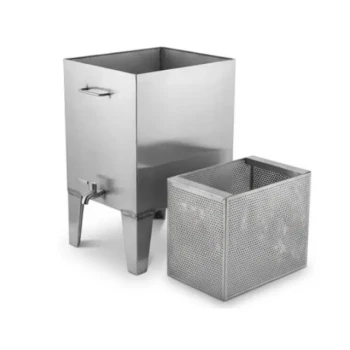
Collect all wax cappings in a specialized uncapping tank or a simple pail.
Allow these cappings to sit and drain thoroughly. A significant amount of honey adheres to the removed caps; this run-off should be captured and added to your main honey harvest.
Processing the Wax
After the honey has drained, the remaining beeswax must be cleaned.
Process the wax by melting and filtering it to remove impurities. This purified wax is a versatile by-product suitable for creating value-added goods like candles, soaps, or beeswax wraps.
Common Pitfalls: Hygiene and Storage
The post-uncapping phase is not complete until the equipment is secured. Failing to clean and store gear properly is the leading cause of equipment degradation and cross-contamination.
Sanitation Protocols
All tools, extractors, and containers must be cleaned immediately after the harvest is complete.
Leftover honey residue is a magnet for pests and bacteria. Thorough cleaning prevents contamination of future batches and discourages robbers or vermin from entering your storage area.
Mechanical Maintenance
Perform regular maintenance checks on the extractor's mechanical parts.
Inspect gears and bearings for wear caused by the heavy loads of extraction. Addressing minor mechanical issues now prevents catastrophic failure during the next harvest.
Frame Preservation
Inspect all reusable frames before putting them away.
Store them in a dry, protected area. Proper storage is essential to prevent mold growth and keeps the drawn comb intact for the bees to reuse next season.
Making the Right Choice for Your Goal
Your post-uncapping priorities may shift depending on whether you are maximizing volume or preserving assets.
- If your primary focus is Maximum Honey Yield: Prioritize the use of an uncapping tank to capture and add the significant volume of honey dripping from cut cappings.
- If your primary focus is Equipment Longevity: Focus strictly on balancing the extractor load and performing deep cleaning and mechanical checks immediately after use.
By systematizing these steps, you turn a messy cleanup into a streamlined process that protects your investment.
Summary Table:
| Workflow Phase | Critical Action | Key Benefit |
|---|---|---|
| Extraction | Balanced load placement | Protects mechanical bearings and comb structure |
| Wax Recovery | Draining and filtering | Captures lost honey and creates high-quality beeswax |
| Sanitation | Immediate tool cleaning | Prevents pest attraction and cross-contamination |
| Maintenance | Gear and frame inspection | Ensures equipment longevity and readiness for next season |
Streamline Your Commercial Harvest with HONESTBEE
Maximize your apiary's productivity with professional-grade solutions from HONESTBEE. We cater to commercial apiaries and distributors with a comprehensive wholesale range, including:
- Precision Machinery: Hive-making and honey-filling machines.
- Durable Equipment: High-capacity extractors and specialized hardware.
- Essential Consumables: A full spectrum of beekeeping tools and supplies.
- Cultural Merchandise: Honey-themed products to expand your market reach.
Ready to scale your operations? Contact us today to learn how our hardware and industry expertise can bring superior value to your business.
Related Products
- Fully Automatic Beeswax Embossing Machine Foundation Mill
- Electric Beeswax Flat Sheet Machine with Operating Tray for Wax Processing
- Steam Beeswax Melter Wax Warmer for Wax Processing
- Solar Beeswax Melter Easy Solar Wax Melter for Beeswax
- Beeswax Melter for Candle Making Honey Bee Wax Melter
People Also Ask
- What are the primary technical challenges faced by beeswax foundation production machinery? Tackling Lipophilic Residues
- What are the advantages of implementing a pulley and belt drive system in beeswax foundation machinery? Master Quality.
- What are the benefits of using a machine to produce beeswax foundation sheets? Achieve Superior Hive Health & Efficiency
- What are the castings of the beeswax foundation machine made of? Precision Engineering for Efficient Beekeeping
- What is the function of a beeswax foundation machine? Boost Hive Efficiency and Honey Production