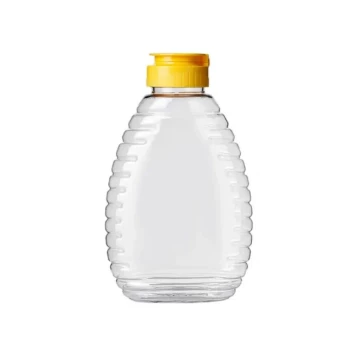
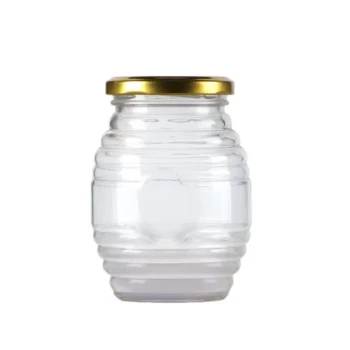
The critical requirements for honey bee sampling containers in large-scale field collection are significant storage capacity, excellent ventilation, and strict contaminant control. These distinct features are necessary to prevent physical compression, moisture accumulation, and biological cross-contamination during transport from the field to the laboratory.
The ultimate goal of field sampling is to deliver a specimen that is morphologically intact and biologically pure. Your container choice dictates whether the sample remains scientifically valid or becomes compromised by damage and contamination before analysis begins.
Preserving Morphological Integrity
To ensure accurate morphological analysis, the physical structure of the worker bee must remain unaltered during transport.
Large Capacity to Prevent Compression
Containers must be designed with large capacity relative to the sample size. Crowding bees into small spaces forces them against one another, leading to physical damage.
When bees are compressed, their bodies can become distorted. This damage compromises the ability to perform accurate measurements and visual inspections in the lab.
Ventilation and Moisture Control
Excellent ventilation is perhaps the most critical physical requirement for these containers. Live or freshly collected bees generate heat and moisture.
Without adequate airflow, moisture builds up inside the bottle. This excess humidity can obscure or alter the color characteristics of the abdominal segments, which are vital for morphological classification.
High-quality specialized sampling bottles are designed specifically to mitigate this issue, ensuring the specimens arrive dry and intact.
Ensuring Data Accuracy Through Purity
Beyond physical preservation, the container must maintain the chemical and biological isolation of the sample.
Eliminating Cross-Contamination
For large-scale operations involving multiple colonies or apiaries, the risk of cross-contamination is high. Containers must be pre-cleaned or disposable to mitigate this.
Using specialized disposable sampling tools (such as spoons) and containers prevents the transfer of microbial elements or heterogeneous pollen from one site to another.
Supporting Melissopalynology
Strict hygiene in sampling containers is essential for melissopalynology (the study of pollen in honey).
If a container retains residue from a previous collection, it invalidates the data regarding the specific honey sources of a beekeeping area. Purity guarantees that the laboratory analysis reflects only the specific environment being sampled.
Common Pitfalls to Avoid
Even with the right intentions, field collection often fails due to simple oversight regarding container specifications.
The Risk of Airtight Seals
Avoid using standard, airtight laboratory jars for whole-bee transport. While they prevent leaks, they trap moisture that rapidly degrades the specimen's color and structure.
The Cost of Reusability
While reusing containers seems efficient, it introduces significant data noise. If your goal is analyzing pollen sources or microbial profiles, sterility is non-negotiable.
Reuse without industrial-grade sterilization leads to "ghost data"—results that reflect past samples rather than the current collection.
Making the Right Choice for Your Goal
Selecting the correct sampling hardware depends heavily on which specific variable you intend to analyze in the laboratory.
- If your primary focus is Morphological Analysis: Prioritize ventilation and volume to prevent compression and moisture damage to the abdominal segments.
- If your primary focus is Melissopalynology (Pollen/Honey Source): Prioritize disposable or pre-cleaned consumables to ensure zero cross-contamination between apiaries.
The integrity of your final data is established the moment the sample enters the container; choose equipment that protects the specific characteristics you need to measure.
Summary Table:
| Requirement Category | Key Feature | Impact on Sample Quality |
|---|---|---|
| Physical Integrity | Large Storage Capacity | Prevents compression and morphological distortion of bees. |
| Environmental Control | Excellent Ventilation | Mitigates moisture buildup to preserve abdominal color characteristics. |
| Biological Purity | Contaminant Control | Eliminates cross-contamination for accurate melissopalynology. |
| Operational Safety | Disposable/Pre-cleaned | Ensures zero residue transfer between different apiary sites. |
Elevate Your Apiary Operations with HONESTBEE
Maintaining the highest standards in bee research and honey production requires professional-grade equipment. HONESTBEE specializes in serving commercial apiaries and distributors with a comprehensive wholesale portfolio.
Whether you need precision honey-filling machines, specialized hive-making hardware, or essential sampling consumables, we provide the tools necessary to ensure your biological data remains pure and your honey products meet global standards.
Ready to scale your beekeeping business or distribution network?
Contact HONESTBEE Today to explore our full spectrum of beekeeping machinery and industry-leading supplies. Let us help you deliver excellence from the field to the laboratory.
References
- P. Kozmus. Ugotavljanje stopnje hibridizacije populacije kranjske čebele (Apis mellifera carnica Pollman) v Sloveniji na podlagi obarvanosti obročkov na zadku. DOI: 10.14720/aas.2011.98.2.14588
This article is also based on technical information from HonestBee Knowledge Base .
Related Products
- Squeezable No-Drip Beehive-Shaped Honey Jars with Flip-Top Cap
- Langstroth Honey Bee Box Hive Boxes for Different Depths
- Classic Honey Bear Jars with Flip Top Dispensing Cap for Liquid Sweeteners
- Classic Beehive Honey Bottle Jar with Squeeze Dispenser Lid
- Classic Glass Honey Jar with Metal Lug Cap for Beehive Storage
People Also Ask
- What food safety standards must honey containers meet? Expert Guide to Packaging Integrity & Hygiene
- Why is it important to distinguish between weight and volume when selecting honey containers? Maximize Profits Now
- What are the benefits of purchasing honey containers in bulk? Maximize Margins & Secure Your Supply Chain
- What types of containers are ideal for storing liquid honey? Preserve Quality with Glass or Plastic
- How many jars of honey can you get from a hive? Maximize Your Yield with Strong Hive Management