Safety starts before the hive is opened. Treat a bee sting by promptly removing any retained honeybee stinger without squeezing it, then washing and cooling the area. Prevent stings through full protective clothing, calm hive-handling techniques, and appropriate smoker use; control machinery risks with training, guards, PPE, and disciplined operating procedures.
The essential rule is to manage both biological and mechanical hazards proactively. Prepare personnel and emergency supplies before apiary work, respond quickly to stings, and never operate extractors, comb-processing equipment, or hive-construction tools without the required guards and instructions.
Preventing Bee Stings During Apiary Work
Wear complete protective equipment
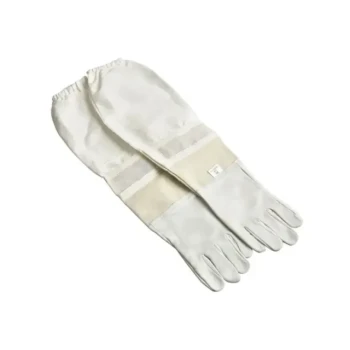
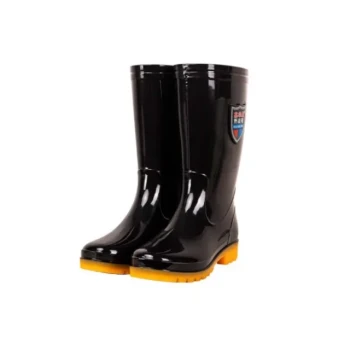
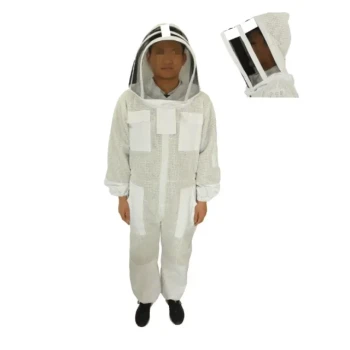
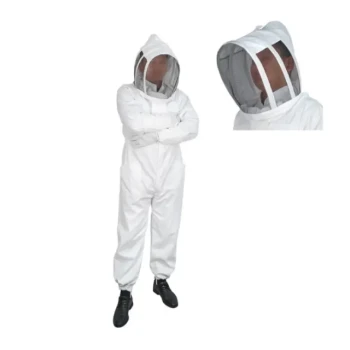
Anyone working near open hives should use a beekeeping suit, integrated veil, gloves, and hive boots or ankle gaiters. These items reduce exposed skin and prevent bees from entering through cuffs, collars, and trouser legs.
Light-colored protective clothing is generally preferable. Secure all closures before approaching the hive, and inspect PPE regularly for tears, loose seams, or damaged veils.
Use the smoker correctly
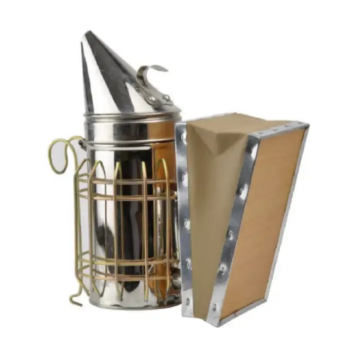
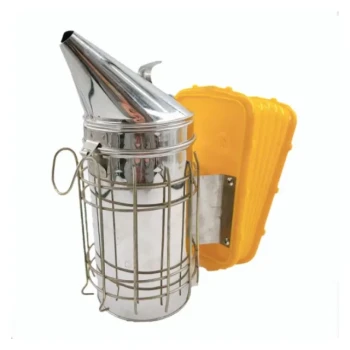
A stainless steel smoker with a functional bellows can help disrupt honeybee alarm pheromones and reduce defensive behavior. Use cool, moderate smoke rather than excessive smoke or heat.
The smoker should be prepared before the hive is opened and placed where it remains accessible without creating a fire or burn hazard. Follow local fire-safety requirements, especially in dry conditions.
Handle colonies calmly
Open hives during suitable working conditions, commonly when weather is warm and many foragers are away from the colony. Avoid sudden movements, loud impacts, and unnecessary vibration.
Lift frames smoothly and avoid forcefully breaking propolis. Calm, deliberate handling reduces the likelihood of triggering a defensive response.
Prepare the worksite and team
Before beginning, confirm who is responsible for hive handling, smoker management, first aid, and emergency communication. Keep bystanders away from the work area and ensure workers know the location of first-aid supplies.
Commercial apiaries, warehouses, and service teams should standardize PPE requirements and inspection procedures across all personnel rather than relying on individual judgment.
Responding to a Bee Sting
Remove a retained stinger promptly
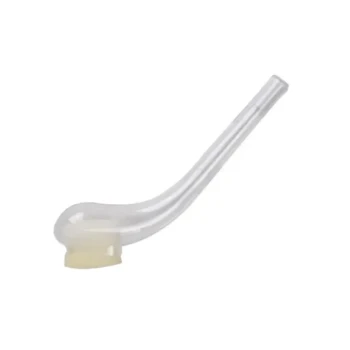
If a honeybee stinger remains in the skin, scrape it away immediately with a fingernail or flat-edged object. Avoid squeezing or pinching the attached venom sac, because pressure can drive additional venom into the tissue.
Not all stinging insects leave a stinger. Do not delay treatment while searching for one if no stinger is visible.
Clean and cool the area
Wash the sting site thoroughly with soap and water. This removes surface contamination and supports basic wound care.
Apply an ice pack or cold compress wrapped in cloth to help limit localized pain and swelling. Do not apply ice directly to the skin for prolonged periods.
Monitor for a severe allergic reaction
A sting can cause anaphylaxis, a life-threatening allergic reaction. Warning signs may include difficulty breathing, swelling of the lips or tongue, widespread hives, dizziness, faintness, vomiting, or rapidly worsening symptoms.
If a severe reaction is suspected, use the person’s prescribed epinephrine injector immediately and contact emergency medical services. Do not leave the person alone or rely only on cold compresses and observation.
Maintain emergency readiness
Field crews should carry appropriate first-aid supplies and know how to access emergency assistance. Where medically appropriate and permitted by organizational policy, operations should have access to epinephrine injectors and personnel trained to use them.
Record serious reactions and follow medical advice before the person returns to bee-handling work. A history of severe reactions warrants professional medical evaluation and an individualized emergency plan.
Operating Apiculture Machinery Safely
Identify mechanical hazards first
Apiculture equipment may contain sharp blades, rotating components, pinch points, hot surfaces, or heavy moving parts. Examples include motorized honey extractors, comb-processing devices, and hive-construction tools.
Before use, identify where hands, clothing, hair, or tools could become caught or cut. Make sure the work area is stable, adequately lit, and free of unnecessary obstructions.
Read and follow the equipment manual
Operators should read the manufacturer’s instructions before using unfamiliar machinery. The manual defines correct assembly, operating limits, cleaning procedures, maintenance requirements, and approved accessories.
Use every tool only for its designated purpose. Improvised uses and bypassed procedures are common causes of preventable injuries.
Keep guards and safety devices in place
Do not operate equipment with missing, damaged, or defeated guards. Guards are designed to separate operators from blades, belts, shafts, and other moving parts.
Stop the machine and isolate its power source before clearing jams, removing debris, changing components, or performing maintenance. Never reach into moving equipment.
Use suitable PPE without creating new risks
Machinery PPE should match the hazard and the manufacturer’s instructions. Depending on the task, this may include eye protection, hearing protection, protective footwear, close-fitting work clothing, and task-appropriate gloves.
Gloves can protect against cuts and contamination but may create an entanglement risk around rotating machinery. Follow the equipment risk assessment and manufacturer guidance rather than assuming more PPE is always safer.
Inspect equipment before operation
Check guards, switches, power cords, plugs, fasteners, bearings, and moving parts before starting work. Remove damaged equipment from service until it has been repaired or replaced.
For motorized extractors and processing equipment, confirm that the machine is stable, correctly assembled, and not overloaded. Keep hands and loose materials away from moving parts during operation.
Integrating Bee and Machinery Safety
Separate biological and mechanical hazards
Bee PPE protects against stings but does not automatically protect against machinery hazards. A veil, for example, can restrict visibility, while bulky gloves can reduce dexterity around controls and moving parts.
Choose equipment and work procedures that preserve visibility, balance, and control. If protective clothing interferes with a task, stop and revise the procedure rather than removing essential protection casually.
Control workflow and access
Limit machinery operation to trained, authorized personnel. Keep children, visitors, and untrained workers outside active processing and maintenance zones.
Use clear signage, written operating procedures, and a defined shutdown process. These controls are particularly important for distributors, processing facilities, and multi-shift operations where equipment may be used by different teams.
Maintain consistent product and service standards
For B2B supply and field-service operations, safety depends on more than having products available. Reliable sourcing should include fit-for-purpose PPE, compliant protective equipment, dependable smokers, replacement components, manuals, and responsive technical support.
Standardized product specifications and rapid fulfillment help prevent unsafe substitutions, improvised repairs, and work stoppages during the beekeeping season.
Understanding the Trade-offs
Smoke reduces risk but does not eliminate it
A smoker can calm a colony, but it is not a guarantee against stings. Excessive smoke can stress bees, contaminate work areas, reduce visibility, or create a fire hazard.
Use only the amount needed for controlled handling and maintain a safe distance from flammable materials.
Protective clothing can reduce dexterity
Full-body PPE provides important sting protection, but thick gloves and veils may make frame handling, tool use, and equipment controls more difficult. Poorly fitted clothing can also create gaps or snag hazards.
Select appropriately sized gear, train users to work in it, and replace worn or damaged items promptly.
First aid is not a substitute for emergency care
Most localized stings can be managed with stinger removal, washing, and cooling. However, these steps do not treat anaphylaxis or other serious complications.
When severe symptoms appear, emergency medical treatment takes priority over routine first aid.
Speed must not override safe operation
Fast order fulfillment and efficient apiary work are valuable, but rushing hive inspections, bypassing guards, or skipping equipment checks increases operational risk. A short pre-work inspection is usually far less costly than an injury, equipment failure, or delayed harvest.
Applying These Procedures to Your Operation
Use the following priorities to align safety practices with your operational goals:
- If your primary focus is sting prevention: Require complete, well-maintained PPE, use a properly managed smoker, and handle colonies calmly without sudden movements or vibration.
- If your primary focus is emergency preparedness: Keep first-aid supplies and emergency communication available, train personnel to recognize anaphylaxis, and ensure appropriate epinephrine access where required.
- If your primary focus is machinery safety: Enforce manual-based training, pre-use inspections, functional guards, suitable PPE, and power isolation before clearing or servicing equipment.
- If your primary focus is reliable B2B supply: Source a coordinated portfolio of protective gear, smokers, tools, machinery, replacement parts, and technical support from suppliers able to provide consistent specifications and rapid fulfillment.
- If your primary focus is workforce consistency: Use written procedures, authorized-operator controls, routine PPE inspections, and documented equipment maintenance across every site and shift.
A safe apiculture operation combines prepared people, suitable equipment, controlled bee handling, and disciplined machinery procedures.
Summary Table:
| Aspect | Key Procedures |
|---|---|
| Bee Sting Treatment | 1. Remove stinger by scraping, not squeezing. 2. Wash with soap and water. 3. Apply cold compress. 4. Monitor for severe allergic reactions. |
| PPE | 1. Wear complete protective gear: suit, veil, gloves, boots. 2. Inspect regularly. |
| Smoker Use | 1. Use stainless steel smoker with bellows. 2. Use moderate cool smoke. 3. Follow fire safety. |
| Machinery Safety | 1. Read manufacturer's manual. 2. Keep guards in place. 3. Isolate power before maintenance. 4. Use appropriate PPE. |
| Emergency Preparedness | 1. Carry first-aid supplies. 2. Have epinephrine injectors if prescribed. 3. Know emergency contacts. |
Ensure the safety and efficiency of your beekeeping operation with HONESTBEE's comprehensive range of protective gear, smokers, machinery, and replacement parts. Our one-stop sourcing and rapid delivery keep your team safe and productive. Contact us now to discuss your wholesale needs and benefit from our expert support and reliable supply. Get in touch today!
Related Products
- Goatskin Leather Beekeeper Gloves with Vent Long Sleeve for Beekeeping Honey Bee Sting Proof Protection
- Galvanized Beekeeping Smoker for Honey Bee and Apiculture
- Full Set Beekeeping Electronic Bee Venom Collector Machine Device for Bee Venom Collecting
- Durable Galvanized Steel Frame Grip
- European Stainless Steel Bee Smoker for Honey Bee Hive
People Also Ask
- What are the characteristics of goatskin beekeeping gloves? Enhance Dexterity and Protection in Your Apiary
- Why is it important to have gloves available even if not always worn? Essential Risk Management for Beekeepers
- What are the primary purposes of using beekeeping gloves? Protect Your Hands and Ensure Apiary Hygiene
- Why do some experienced beekeepers opt not to wear gloves? Discover the Benefits of Tactile Precision
- Why is it important for beekeepers to wear gloves? Essential Safety and Confidence for Hive Management