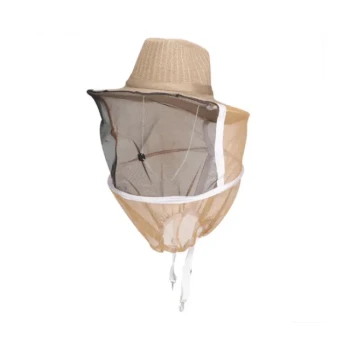
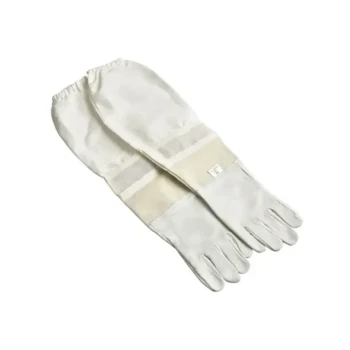
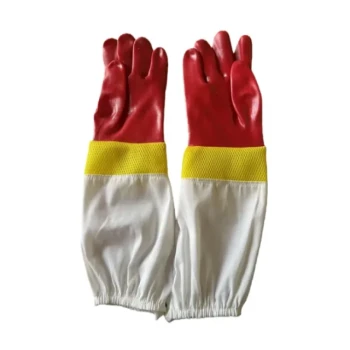
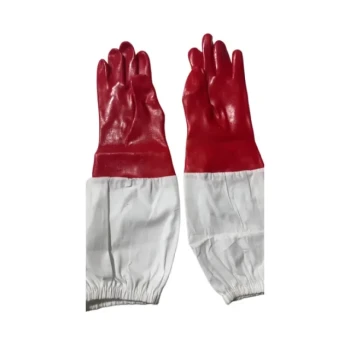
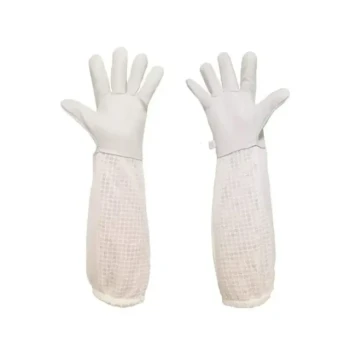
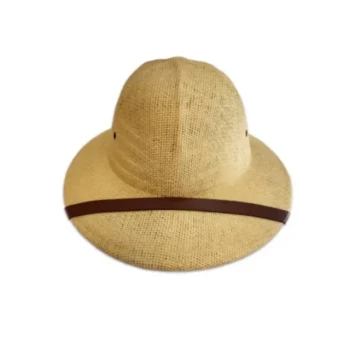
A standard beekeeping toolkit fundamentally requires a balance of colony management instruments and personal protective equipment (PPE). The three non-negotiable management tools are a hive tool for leverage, a smoker to calm the bees, and a soft-bristled bee brush for gentle manipulation, while safety dictates a mandatory helmet and veil combo alongside a beekeeping suit or jacket.
Core Takeaway: The primary goal of your gear is to allow you to work calmly and deliberately without the distraction of potential stings. While tools provide the mechanical leverage to manage the hive, your protective equipment provides the psychological security necessary for precise decision-making.
Essential Management Tools
These instruments allow you to manipulate the hive infrastructure without harming the colony or agitating the bees.
The Hive Tool
Because bees seal crevices with propolis (a resinous glue), hive components often stick together efficiently.
A hive tool is required to pry these components apart. It provides the necessary leverage to separate boxes and lift frames for inspection.
The Smoker
To work safely, you must interrupt the colony's defensive response.
A smoker is used to puff cool smoke into the hive, which masks alarm pheromones and calms the colony. This makes the bees less aggressive and easier to manage during inspections.
The Bee Brush
Moving bees with your hands or heavy tools risks crushing them, which releases alarm pheromones and incites stinging.
A soft-bristled bee brush allows you to gently sweep bees off frames or hive edges. This tool is critical for clearing work areas without injuring the livestock.
Personal Protective Equipment (PPE)
Protective gear serves a dual purpose: it prevents physical injury and boosts operator confidence.
Head and Face Protection
Protecting the face is the highest priority in the apiary.
A helmet and veil are mandatory because stings to sensitive areas like the eyes, nose, and lips are exceptionally painful and dangerous. This is the absolute minimum requirement for interacting with a hive.
Body Protection
While a veil protects the face, the rest of the body requires a physical barrier against stings.
A full-body beekeeping suit offers the most comprehensive safety, covering the operator from ankles to neck. Alternatively, a beekeeping jacket provides upper-body protection and is often sufficient for quick tasks or experienced users.
The Importance of Under-Layers
Your outer gear is only as effective as what you wear underneath it.
To maximize safety, wear thick denim jeans or canvas painter’s pants and a long-sleeve shirt. It is critical to tuck your pants into your socks or use boot bands to prevent bees from crawling up your legs.
Understanding the Trade-offs: Suits vs. Jackets
Choosing between a full suit and a jacket involves balancing protection against mobility and heat management.
Protection vs. Convenience
A full suit provides a complete seal, minimizing the risk of stings across the entire body. However, it can be cumbersome to put on and may retain significant body heat during summer inspections.
A jacket offers greater freedom of movement and is cooler to wear. The downside is that it leaves your legs vulnerable, requiring you to rely heavily on the thickness of your trousers for lower-body protection.
The "Stray Bee" Risk
Regardless of the gear chosen, zippers and folds are common failure points.
Always check your gear for gaps before approaching the hive. After finishing, carefully check folds in the fabric for stray bees to avoid bringing them into your vehicle or home.
Making the Right Choice for Your Goal
Your equipment selection should match your experience level and the specific task at hand.
- If your primary focus is maximum safety (or you are a novice): Prioritize a full-body beekeeping suit and full gloves to build confidence and ensure a complete physical barrier against stings.
- If your primary focus is quick hive assessments: Utilize a beekeeping jacket with a helmet and veil, as this allows for easier movement and less heat retention during brief inspections.
Select the gear that allows you to remain calm, as your composure directly influences the temperament of the colony.
Summary Table:
| Category | Essential Item | Primary Function |
|---|---|---|
| Management | Hive Tool | Prying components and lifting frames stuck with propolis |
| Management | Smoker | Calming bees by masking alarm pheromones |
| Management | Bee Brush | Gently removing bees from frames without injury |
| Protection | Helmet & Veil | Critical protection for the face, eyes, and neck |
| Protection | Bee Suit/Jacket | Full or upper-body barrier against stings |
Scale Your Apiary Operations with HONESTBEE
Equipping your team with the right tools is the foundation of a productive honey harvest. HONESTBEE caters to commercial apiaries and distributors with a comprehensive wholesale offering designed for durability and precision.
From specialized hive-making and honey-filling machines to premium beekeeping suits, smokers, and essential consumables, we supply the full spectrum of equipment needed to run a successful operation. Whether you are stocking a distribution center or scaling a professional apiary, our high-quality hardware ensures your team stays safe and your honey production stays efficient.
Ready to upgrade your inventory? Contact us today to discuss our wholesale pricing and discover how our honey-themed cultural merchandise and professional tools can add value to your business.
Related Products
- Premium Cowboy Beekeeper Hat with Visibility Veil Outdoor Professional Beekeeping Protective Gear
- Premium Cotton Beekeeper Suit with Reinforced Fencing Veil
- White Cotton Beekeeping Jacket and Veil for Bee Keepers
- Beekeeping Gloves Goatskin Leather with Long Cotton Sleeve for Beekeepers
- Beekeeping Jacket with Hood and Veil for Beekeepers
People Also Ask
- What design features contribute to the stability and fit of the beekeeper hat? Key Features for Maximum Hive Safety
- How is the beekeeper hat designed for comfort and practicality? Explore Key Features for Enhanced Apiary Safety
- What is the general protective gear recommendation for new beekeepers? Your Essential Beginner's Safety Guide
- How does beekeeping protective gear facilitate the queen bee selection process? Enhancing Precision in Queen Breeding
- What should beekeepers consider when choosing protective gear? A Guide for Maximum Safety & Comfort