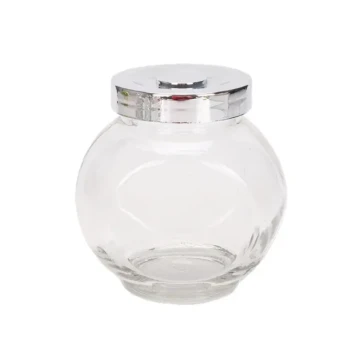
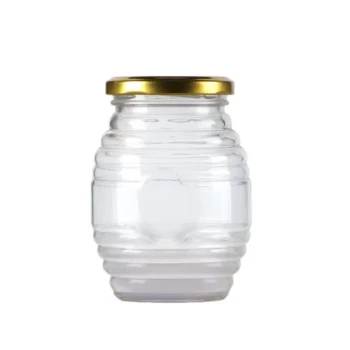
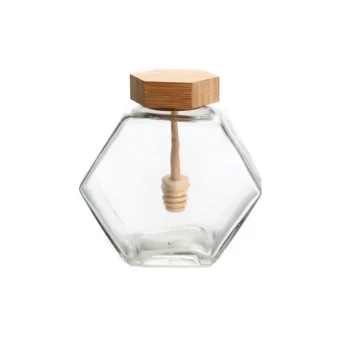
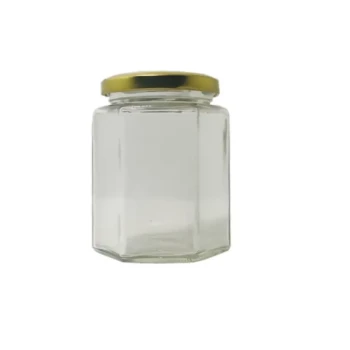
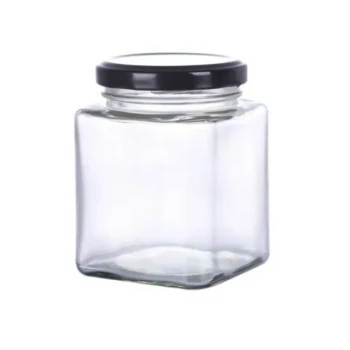
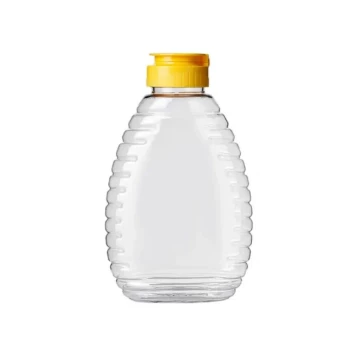
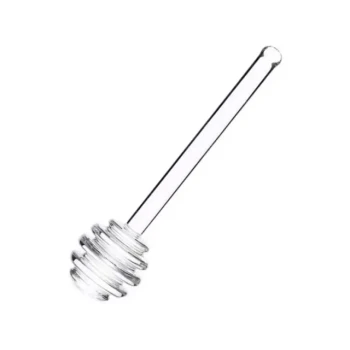
Glass packaging for honey is characterized by its high transparency, chemical inertness, and superior barrier properties against moisture and gas. The most common structural types include the cork-topped Muth Jar, the practical Wide Mouth Jar, and the distinctively flat Queenline Jar, all of which prioritize product visibility and preservation.
Glass remains the gold standard for premium honey because it creates a chemically neutral environment that maintains the honey's original flavor profile. While it incurs higher shipping costs due to weight, it offers the best protection against fermentation and spoilage caused by environmental moisture.
The Functional Advantages of Glass
Preserving Chemical Integrity
Glass is an inert, non-porous material. Unlike some plastics, it does not leach chemicals into the honey, nor does it absorb odors from the environment.
This neutrality ensures that the honey maintains its authentic taste and aroma exactly as it was produced. It is the preferred vessel for raw honey where purity is the primary selling point.
Moisture and Gas Control
Honey is hygroscopic, meaning it attracts moisture from the air. Glass provides an impermeable barrier that blocks external moisture, which is critical for preventing fermentation.
Conversely, glass also prevents internal water evaporation. This helps stabilize the honey's texture and delays crystallization caused by moisture loss.
Visual Validation
The high transparency of glass serves a vital marketing function. It allows consumers to immediately assess the honey's color, purity, and crystallization levels.
This visual access builds market trust, as buyers can verify the quality of the product before purchasing.
Common Jar Architectures
The Muth Jar
This is a traditional style often associated with "old-fashioned" honey presentation. It typically features a square shape with rounded corners and a cork top, evoking a sense of heritage.
The Queenline Jar
The Queenline is distinctively flatter and wider than standard cylindrical jars. Its shape increases the surface area visible to the consumer, maximizing the display of the honey's golden color on a shelf.
Wide Mouth and Hex Jars
Wide Mouth jars are designed for utility, allowing for easy labeling and convenient access to the product with a spoon.
Hexagonal (Hex) jars and "Hive" style jars are also popular for their aesthetic connection to the honeycomb, reinforcing the natural origin of the product.
Understanding the Trade-offs
Logistics and Shipping Costs
The primary downside to glass is its density. An empty 1 lb glass jar can weigh between 14 to 16 ounces, nearly doubling the shipping weight compared to plastic alternatives.
This weight significantly increases logistical costs, particularly for direct-to-consumer shipping models.
Fragility and Storage Limits
Glass requires robust, protective packaging—such as bubble wrap or reinforced boxes—to prevent breakage during transit.
In warehouse environments, glass has lower stacking limits than plastic. Stacking glass inventory too high can lead to structural failure and product loss.
Making the Right Choice for Your Goal
To select the best packaging for your specific needs, consider your distribution model and brand positioning:
- If your primary focus is Premium Retail: Choose glass (specifically Queenline or Muth) to command a higher price point and convey a sense of purity and sustainability.
- If your primary focus is E-commerce/Shipping: Reconsider glass in favor of high-quality plastic to drastically reduce postage costs and breakage rates.
- If your primary focus is Long-Term Storage: Stick with glass to ensure the flavor profile remains unaltered over months or years.
The choice of packaging is not just a container decision; it is a strategic balance between preserving ultimate quality and managing logistical overhead.
Summary Table:
| Jar Type | Key Structural Features | Primary Benefit |
|---|---|---|
| Muth Jar | Square shape, rounded corners, cork top | Heritage & traditional aesthetic |
| Queenline Jar | Flat, wide body with large surface area | Maximizes honey color visibility |
| Wide Mouth Jar | Broad opening, cylindrical design | Easy filling and consumer access |
| Hexagonal Jar | Six-sided, honeycomb-inspired shape | Visual connection to natural origins |
| Hive Style | Ribbed, beehive-like texture | Unique branding and shelf appeal |
Elevate Your Honey Business with HONESTBEE
Choosing the right packaging is crucial for brand success. At HONESTBEE, we specialize in supporting commercial apiaries and distributors with a comprehensive wholesale offering designed to scale your operations.
Our extensive portfolio includes:
- Premium Glassware: A full range of Muth, Queenline, and specialty honey jars.
- Advanced Machinery: High-efficiency honey-filling and hive-making machines.
- Complete Equipment: From beekeeping tools to essential industry consumables.
- Brand Culture: Unique honey-themed merchandise to engage your customers.
Ready to enhance your product quality and logistical efficiency? Contact us today to discuss our wholesale solutions and discover how HONESTBEE can grow your beekeeping brand.
Related Products
- Classic Drum Shaped Glass Honey Jar with Airtight Lid
- Classic Glass Honey Jar with Metal Lug Cap for Beehive Storage
- Classic Round Glass Honey Jar with Lid
- Hexagonal Glass Honey Jar with Wooden Lid Integrated Dipper Elegant Functional Storage
- Hexagonal Glass Honey Jars with Metal Lug Caps Elegant Versatile Packaging
People Also Ask
- What is the best utensil to store honey? Preserve Purity with the Right Container
- How does the appearance of glass jar packaging affect the sales and perception of honey? Boost Your Premium Brand Value
- Why is a glass jar preferred for packaging honey? Ultimate Protection for Purity & Flavor
- What is the aesthetic appeal of using glass jars for honey? Elevate Your Brand with Premium Packaging
- What are the advantages of glass containers for honey? Elevate Quality and Market Value with Premium Packaging