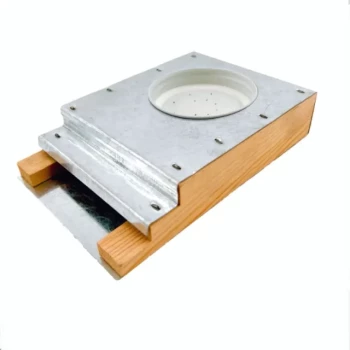
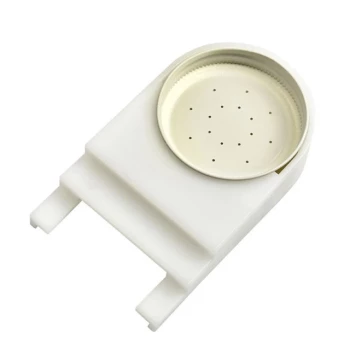
The four basic styles of honeybee feeders are entrance feeders, hive top feeders, division board feeders, and pail feeders. While all four serve the same fundamental purpose—delivering sugar syrup to a colony—they differ significantly in how they attach to the hive, how much syrup they hold, and how they affect the bees' behavior.
Selecting the right feeder involves balancing your need for convenience with the colony's need for security against robber bees and easy access to food during varying weather conditions.
Distinct Characteristics of Each Style
To make an informed decision, you must understand the mechanical differences and placement of each feeder type.
Entrance Feeders
These devices, often called Boardman feeders, sit directly at the hive's entrance. The syrup jar remains outside the hive while the feeding base extends inside.
This style allows you to check syrup levels at a glance without opening the hive. However, because the food source is exposed near the entrance, it can attract pests or induce robbing from other colonies.
Hive Top Feeders
These feeders are placed directly on top of the brood boxes, usually underneath the outer telescoping cover. They typically span the full footprint of the hive body.
Hive top feeders offer the highest capacity, allowing you to feed gallons of syrup at once. They are excellent for rapidly building up winter stores because many bees can feed simultaneously without drowning.
Division Board Feeders
Also known as frame feeders, these replace a standard frame inside the brood box. They essentially function as a narrow trough located directly within the cluster of bees.
Because they are internal, they keep the syrup warm and accessible even in cooler temperatures. They prevent robbing effectively since the food source is hidden deep inside the hive.
Pail Feeders
These are inverted buckets, usually resting over the hole in the inner cover. They rely on gravity and a vacuum seal to dispense syrup through a mesh screen or small holes in the lid.
Pail feeders are simple, inexpensive, and place the food directly above the cluster. They are highly effective but require an extra empty hive body (super) to surround the bucket and protect it from the elements.
Understanding the Trade-offs
Every feeder style introduces specific risks that can impact colony health if not managed correctly.
The Risk of Robbing
Entrance feeders are the biggest liability during a nectar dearth. The scent of syrup at the front door can trigger a feeding frenzy among wasps or stronger neighboring colonies, potentially destroying a weak hive.
Disruption vs. Convenience
Division board feeders require you to open the hive and remove the inner cover to refill them. This disrupts the colony's temperature and organization, which is less than ideal during cold snaps or aggressive behavior phases.
Safety for the Bees
Bees can drown in liquid feed. Hive top and division board feeders must have roughened sides, floats, or mesh ladders to allow bees to climb out. Without these safety features, significant bee mortality can occur.
Making the Right Choice for Your Goal
Your choice should depend on the specific season and the current strength of your colony.
- If your primary focus is rapid winter preparation: Choose a hive top feeder for its high volume capacity and ability to feed many bees at once.
- If your primary focus is feeding a weak colony or nucleus hive: Choose a division board feeder to keep the food warm and secure from robbers inside the hive.
- If your primary focus is monitoring consumption without disturbance: Choose an entrance feeder, but only during times of heavy nectar flow when robbing is unlikely.
- If your primary focus is cost-effectiveness and simplicity: Choose a pail feeder for a reliable, low-cost solution that works well in most weather.
The best feeder is the one that delivers nutrition efficiently without compromising the security of the hive.
Summary Table:
| Feeder Style | Placement | Capacity | Main Advantage | Best Use Case |
|---|---|---|---|---|
| Entrance | Hive Entrance | Low | Easy to monitor/refill | Monitoring during nectar flow |
| Hive Top | Above Brood Box | High | Large volume feeding | Rapid winter store building |
| Division Board | Inside Brood Box | Medium | Internal warmth & security | Weak colonies or cold weather |
| Pail | Over Inner Cover | Medium | Simple & cost-effective | General purpose feeding |
Maximize Your Colony Growth with HONESTBEE
Equipping your apiary with the right tools is the first step toward a thriving honey harvest. At HONESTBEE, we specialize in supporting commercial apiaries and distributors with high-quality, professional-grade beekeeping equipment.
Whether you need a full range of specialized feeders, high-capacity honey-filling machines, or durable hive-making machinery, we provide the comprehensive wholesale solutions your business deserves. From essential consumables to honey-themed merchandise, our portfolio is designed to bring value and efficiency to your operations.
Ready to scale your beekeeping business? Contact us today to explore our wholesale catalog and discover how HONESTBEE can support your success!
Related Products
- HONESTBEE Entrance Bee Feeder Professional Hive Nutrition Solution for Beekeeping
- HONESTBEE Professional Entrance Bee Feeder Hive Nutrition Solution
- HONESTBEE Round Hive Top Bee Feeder for Syrup
- HONESTBEE Entrance Bee Feeder Efficient Hive Front Liquid Feeding Solution for Beekeeping
- HONESTBEE Square Top Hive Bee Feeder Top Bee Feeder
People Also Ask
- What types of bee feeders are available for beginners? Start with the Simple Entrance Feeder
- What are the advantages and disadvantages of using an entrance feeder for bees? Balance Convenience and Hive Security.
- What is a bee entrance feeder and what are its drawbacks? Essential Guide to Hive Security and Feeding Efficiency
- How does a bee entrance feeder work? A Simple Guide to Convenient Hive Feeding
- How to make an entrance feeder for bees? A DIY Guide for Safe & Effective Feeding