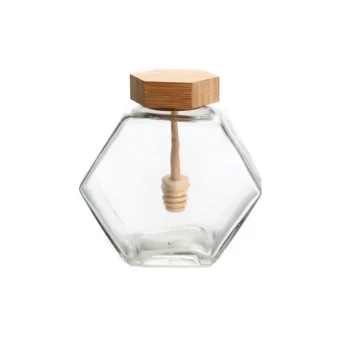
Dark screw-cap glass jars offer a dual-layer defense system for honey storage by simultaneously filtering harmful light and creating a hermetic seal against atmospheric moisture. This configuration protects the chemical integrity of the sample, preventing both photo-degradation of bioactive compounds and physical spoilage due to humidity changes.
Core Takeaway The definitive advantage of this storage method is the isolation of environmental variables. By eliminating light exposure and moisture fluctuation, you ensure that any changes in the honey’s composition are solely the result of temperature or time, rather than external contamination or container failure.
Preserving Bioactive Integrity via Light Control
Blocking Photochemical Reactions
Honey contains sensitive bioactive components, including antioxidant phenolic compounds and enzymes. Dark glass acts as a filter, effectively blocking ultraviolet (UV) rays and strong visible light that would otherwise trigger photochemical reactions.
preventing Component Degradation
When exposed to light, these bioactive substances degrade, leading to a loss of nutritional value and biological activity. By using dark glass, you maintain the stability of these components, ensuring the sample retains its original "fresh" chemical profile for accurate analysis.
Managing Moisture and Atmosphere
The Necessity of Airtight Seals
Honey is highly hygroscopic, meaning it naturally absorbs moisture from the surrounding environment. A high-quality screw-cap mechanism provides the superior airtightness required to prevent ambient humidity from penetrating the jar.
Preventing Fermentation and Oxidation
If moisture penetrates the packaging, the water activity in the honey increases, which can lead to fungal reproduction and fermentation. Simultaneously, the seal blocks the entry of oxygen, protecting the honey from oxidative degradation that spoils flavor and color.
Stabilizing Component Concentration
The screw-cap design prevents the honey's existing water content from evaporating. This locks in the initial component concentration, ensuring that physicochemical parameters—such as acidity and moisture content—remain stable between the time of collection and laboratory testing.
Ensuring Scientific Validity
Isolating Storage Variables
For researchers, the primary goal is often to understand how temperature affects honey over time. Dark screw-cap jars effectively remove light and humidity from the equation.
Accurate Conformational Analysis
With environmental factors controlled, researchers can isolate storage temperature as the primary variable. This allows for precise observation of changes in the conformational distribution of honey components without the data being skewed by light or moisture interference.
Chemical Inertness
Unlike plastic containers, glass is non-reactive and chemically inert. This eliminates the risk of plasticizers migrating into the honey, ensuring the flavor profile and chemical baseline remain authentic for sensory evaluation or origin traceability.
Understanding the Trade-offs
Fragility and Logistics
While glass offers superior chemical protection, it is inherently fragile. There is a tangible risk of sample loss due to breakage during transport or handling, which is virtually non-existent with high-grade plastics.
Weight Considerations
Glass jars are significantly heavier than their plastic counterparts. For large-scale storage or shipping operations, this results in higher logistical costs and increased handling difficulty.
Making the Right Choice for Your Goal
To maximize the longevity and quality of your honey samples, align your container choice with your specific objective.
- If your primary focus is accurate laboratory analysis: Prioritize dark glass to preserve the original physicochemical indicators and ensure valid baseline data for botanical origin identification.
- If your primary focus is preventing spoilage in humid environments: Rely on the airtight screw-cap mechanism to strictly maintain moisture content below the fermentation threshold (typically 16-18%).
By standardizing on dark screw-cap glass, you treat honey as a complex, evolving biological matrix rather than a simple shelf-stable sweetener.
Summary Table:
| Feature | Protection Mechanism | Functional Benefit |
|---|---|---|
| Dark Glass Coating | Filters UV and visible light | Prevents photodegradation of antioxidants and enzymes |
| Screw-Cap Seal | Provides a hermetic, airtight barrier | Stops hygroscopic moisture absorption and fermentation |
| Chemical Inertness | Non-reactive glass material | Ensures no plasticizer migration or flavor contamination |
| Atmospheric Control | Blocks oxygen entry | Minimizes oxidative degradation of color and flavor |
Elevate Your Honey Quality with HONESTBEE
For commercial apiaries and distributors, maintaining the integrity of your product is paramount. HONESTBEE provides the professional-grade solutions you need to succeed. From specialized honey-filling machines designed for precision to high-quality glassware and beekeeping tools, we supply everything required to preserve the bioactive value of your honey.
Whether you are scaling up your production or seeking a reliable wholesale partner for industry consumables and honey-themed merchandise, our team is here to support your growth. Contact HONESTBEE today to discover how our comprehensive equipment and machinery can optimize your operations and protect your brand's reputation.
References
- Giulia Cimò, Pellegrino Conte. Conformational Redistribution of Honey Components following Different Storage Conditions. DOI: 10.1155/2015/354327
This article is also based on technical information from HonestBee Knowledge Base .
Related Products
- Classic Glass Honey Jar with Metal Lug Cap for Beehive Storage
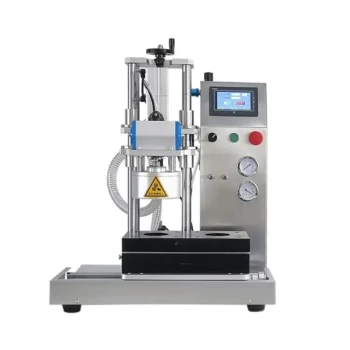
- Semi-Automatic Vacuum Capping Machine with Pneumatic Control for Glass Jars
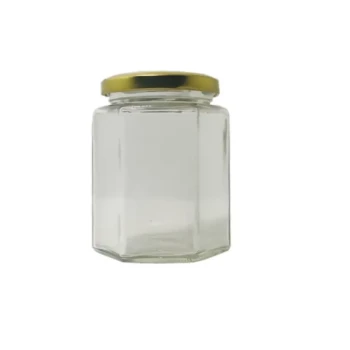
- Hexagonal Glass Honey Jars with Metal Lug Caps Elegant Versatile Packaging
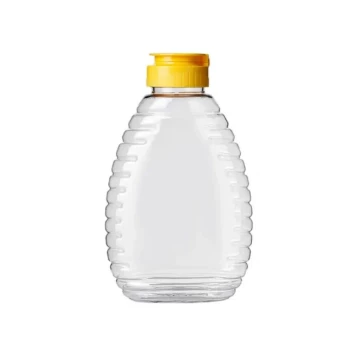
- Squeezable No-Drip Beehive-Shaped Honey Jars with Flip-Top Cap
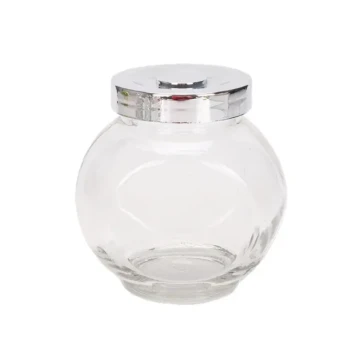
- Classic Drum Shaped Glass Honey Jar with Airtight Lid
People Also Ask
- What are the benefits of glass jars regarding strength and safety for storing honey? Ensure Purity and Long-Term Quality
- What are the advantages of using glass jars for honey storage? Ensure Purity and Premium Appeal for Your Product
- What are the benefits of using high-transparency Glass Jars for honey? Elevate Purity and Premium Branding
- What is the aesthetic appeal of using glass jars for honey? Elevate Your Brand with Premium Packaging
- Which container is best for storing honey? Preserve Purity & Flavor with the Right Choice