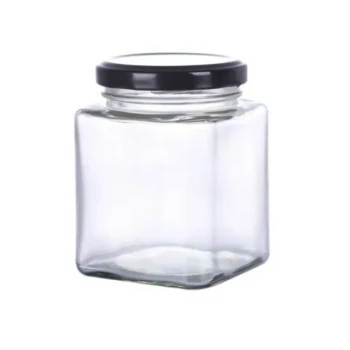
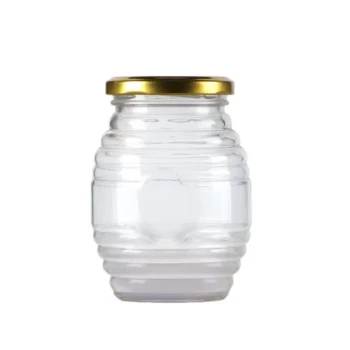
Glass containers act as a chemically inert, impermeable barrier that is critical for the stability of honey and fruit composite products. The primary functional benefits are the complete prevention of moisture absorption—which averts fermentation—and the protection of delicate enzymes and phenolic substances from oxidative degradation.
Core Takeaway Glass offers a superior control environment by effectively eliminating external variables like humidity and oxygen exchange. This ensures that the product’s shelf life depends solely on its internal chemical evolution, rather than environmental contamination or container interaction.
The Mechanics of Chemical Stability
Preventing Moisture-Induced Spoilage
Honey is highly hygroscopic, meaning it naturally absorbs moisture from the surrounding atmosphere. If the packaging allows water vapor to penetrate, the water activity within the product increases.
Glass provides an absolute barrier against this permeation. By maintaining low water activity, glass containers deny fungi and yeasts the moisture they need to reproduce, effectively preventing fermentation and spoilage.
Absolute Chemical Inertness
Unlike many plastics or traditional materials, glass is chemically inert. It does not react with the acidic nature of fruit composites or the complex sugar profiles of honey.
This neutrality ensures that the product does not leach chemicals from the container. Consequently, the natural flavor profile and chemical composition remain unaltered over long storage periods.
Preservation of Bioactive Components
Halting Oxidation
Oxygen is the enemy of the enzymes and phenolic compounds that give honey its nutritional value. Glass containers, particularly those with high-quality screw-cap seals, provide superior airtightness compared to most alternatives.
This airtight seal blocks oxygen entry, preserving the activity of enzymes. It ensures that the product retains its bioactive properties rather than degrading into simple sugars.
Retaining Volatiles and Aroma
The sensory quality of honey relies on volatile organic compounds. Glass prevents these volatile components from escaping.
By locking in these compounds, glass ensures the aroma and taste profile remains consistent from the day of packaging to the moment of consumption.
Protection from Light Degradation
While clear glass allows for visual inspection, dark or amber glass offers functional protection against light.
Light exposure can degrade specific bioactive components. Using dark glass effectively filters out harmful wavelengths, adding another layer of preservation for light-sensitive fruit and honey composites.
Understanding the Trade-offs
Fragility in Transport
While glass is chemically superior, it lacks physical resilience. Unlike industrial-grade plastic bags or containers, glass is prone to breakage during transport, particularly in rugged terrain.
Weight and Handling
Glass is significantly heavier than plastic alternatives. This impacts logistics and handling costs, making it less ideal for bulk industrial transport where seal integrity is needed without the weight penalty.
Making the Right Choice for Your Goal
To select the correct packaging, you must weigh chemical stability against logistical reality.
- If your primary focus is Scientific Research or Long-Term Storage: Choose sterile, airtight glass bottles to isolate variables and ensure changes in HMF or pH are strictly internal.
- If your primary focus is Premium Retail: Utilize glass to signal quality and preserve the complex aroma and enzyme profile that justifies a higher price point.
- If your primary focus is Rugged Transport: Consider high-grade industrial plastics that offer impact resistance while still providing adequate moisture sealing.
Ultimately, for stationary long-term preservation where chemical purity is paramount, glass remains the unrivaled standard.
Summary Table:
| Feature | Functional Benefit | Impact on Honey Quality |
|---|---|---|
| Chemical Inertness | Prevents leaching and reactions | Maintains original flavor and purity |
| Impermeability | Blocks moisture and oxygen | Averts fermentation and enzyme degradation |
| Aroma Retention | Locks in volatile compounds | Preserves natural sensory and taste profiles |
| UV Protection | Filters harmful light (Amber glass) | Protects light-sensitive bioactive components |
| Sealing Quality | Provides airtight environment | Extends shelf life and internal stability |
Elevate Your Honey Production Standards with HONESTBEE
At HONESTBEE, we understand that the quality of your harvest is only as good as the tools and packaging used to preserve it. Whether you are a commercial apiary or a global distributor, our comprehensive wholesale solutions are designed to optimize your efficiency and product integrity. From high-precision honey-filling machines that ensure perfect seals to a complete spectrum of durable beekeeping tools and machinery, we supply everything needed to move your product from the hive to the premium market.
Ready to scale your beekeeping business? Contact us today to explore our wholesale equipment catalog and find out how our industry expertise can enhance your operational success.
References
- Zuzana Mašková, Zuzana Barboráková. Monitoring of microscopic fungi community in selected bee products. DOI: 10.5219/1405
This article is also based on technical information from HonestBee Knowledge Base .
Related Products
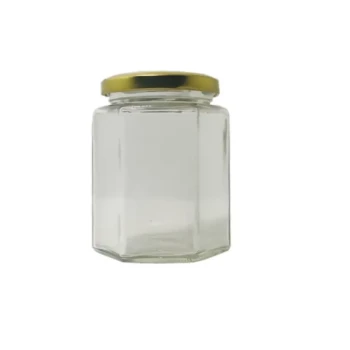
- Hexagonal Glass Honey Jars with Metal Lug Caps Elegant Versatile Packaging
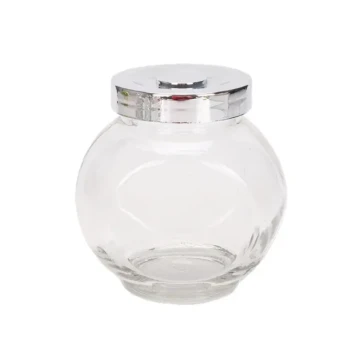
- Classic Drum Shaped Glass Honey Jar with Airtight Lid
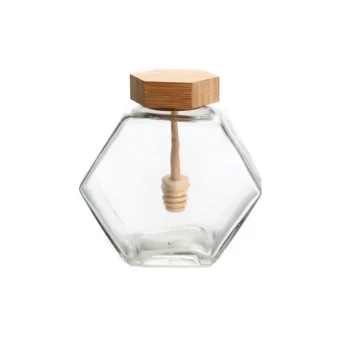
- Hexagonal Glass Honey Jar with Wooden Lid Integrated Dipper Elegant Functional Storage
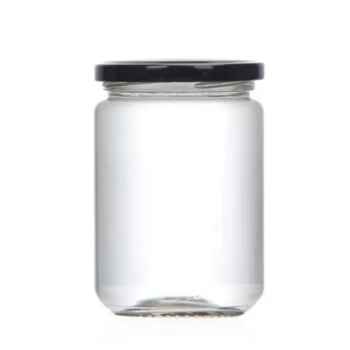
- Classic Round Glass Honey Jar with Lid
- Modern Square Glass Honey Jar with Twist Off Lid
People Also Ask
- What is the aesthetic appeal of using glass jars for honey? Elevate Your Brand with Premium Packaging
- What are the logistical challenges associated with using glass jars for honey packaging? Navigating Weight & Fragility
- What are the advantages of glass containers for honey? Elevate Quality and Market Value with Premium Packaging
- What are the technical advantages of using glass jars for honey? Master Commercial Packaging for Premium Purity
- What are the advantages of using glass jars for honey packaging? Preserve Purity & Elevate Your Brand