The primary functional difference is thermal processing. Raw honey is strictly filtered or strained to remove macroscopic hive debris without the use of high heat. In contrast, regular honey undergoes pasteurization—a high-heat treatment designed to kill microorganisms, which fundamentally alters the chemical composition by removing heat-sensitive natural elements.
Core Takeaway While regular honey offers a clear aesthetic and consistent liquid texture, the pasteurization process strips away the bio-active compounds that define honey as a functional food. Raw honey prioritizes nutritional density over shelf appearance, retaining the pollen, enzymes, and antioxidants that heat destroys.
The Processing Divide: Heat vs. Filtration
Raw Honey: The Mechanical Approach
Raw honey is moved from the honeycomb to the bottle using only simple filtration.
The goal is to remove large physical impurities, such as hive debris or wax caps, without altering the liquid itself.
Crucially, this process never involves high-heat pasteurization, preserving the honey in its natural state.
Regular Honey: The Thermal Approach
Regular honey is subjected to high temperatures during the pasteurization process.
This is done primarily to kill potential microorganisms and yeast that could cause fermentation.
However, this intense heat denatures delicate biological structures within the honey.
Compositional Integrity and Nutritional Content
Retention of Hive Elements
Because it avoids heat, raw honey acts as a reservoir for natural hive byproducts.
It retains natural pollen granules, beeswax, and propolis (a resinous mixture used by bees).
These elements are largely filtered out or destroyed in regular pasteurized honey to achieve clarity.
Enzymes and Bio-active Compounds
The lack of heat allows raw honey to maintain its natural enzymatic activity.
This preserves the honey's inherent antibacterial and anti-inflammatory properties.
Supplementary data suggests these retained enzymes and pollen traces may assist in easing seasonal allergies, a benefit lost in pasteurized versions.
Flavor Complexity
The presence of pollen and propolis contributes directly to the flavor profile.
Raw honey possesses a unique, distinct taste reflective of the specific flora the bees visited.
Regular honey often lacks this nuance, offering a generic sweetness because the volatile compounds responsible for floral flavors are lost during heating.
Understanding the Trade-offs
Visuals and Texture
Raw honey is often cloudy, opaque, and prone to faster crystallization (hardening).
Regular honey is processed to look clear, golden, and attractive on a supermarket shelf.
If you require honey that remains liquid for a long period without crystallizing, regular honey is engineered for this specific convenience.
The "Cleanliness" Factor
Pasteurization does successfully kill microorganisms, which is the industry standard for mass-market safety and consistency.
Raw honey relies on the bee’s natural preservation methods and the high sugar content to prevent spoilage.
While raw honey contains beneficial "impurities" like pollen, regular honey is "cleaner" in a sterile, industrial sense.
Making the Right Choice for Your Goal
Depending on how you intend to use the honey, the superior chemical composition of raw honey may or may not be necessary for you.
- If your primary focus is health and wellness: Choose raw honey to ensure you are ingesting the antioxidants, enzymes, and antibacterial properties that are destroyed by heat.
- If your primary focus is baking or bulk sweetening: Regular honey is likely sufficient, as the high heat of your own cooking would destroy the raw nutrients anyway.
- If your primary focus is aesthetics: Choose regular pasteurized honey for a clear, syrup-like consistency that resists crystallization.
Your choice ultimately depends on whether you view honey as a complex superfood or a simple, shelf-stable sweetener.
Summary Table:
| Feature | Raw Honey | Regular (Pasteurized) Honey |
|---|---|---|
| Processing | Cold strained/filtered | High-heat pasteurization |
| Appearance | Cloudy, opaque, prone to crystallization | Clear, golden, liquid stability |
| Enzymes | Fully preserved & bio-active | Denatured by heat |
| Composition | Contains pollen, wax, and propolis | Highly filtered and sterile |
| Flavor Profile | Complex, floral, and nuanced | Uniformly sweet |
| Best Use | Health, wellness, and direct consumption | Baking, bulk sweetening, and shelf display |
Elevate Your Honey Production with HONESTBEE
Whether you are catering to health-conscious consumers seeking raw, nutrient-dense honey or supplying retail markets with shelf-stable pasteurized products, HONESTBEE provides the industrial tools you need to succeed.
As a premier partner for commercial apiaries and distributors, we offer a comprehensive wholesale range, including:
- Advanced Machinery: Precision honey-filling and hive-making machines.
- Professional Equipment: High-capacity extractors and filtration systems.
- Industry Consumables: A full spectrum of essential beekeeping tools and supplies.
- Cultural Merchandise: Unique honey-themed products to diversify your brand.
Maximize your apiary’s efficiency and product quality today. Contact our expert team to discuss how our wholesale solutions can grow your beekeeping business.
Related Products
- Economy Small Scale Honey Dryer Dehumidifier Thickening Machine
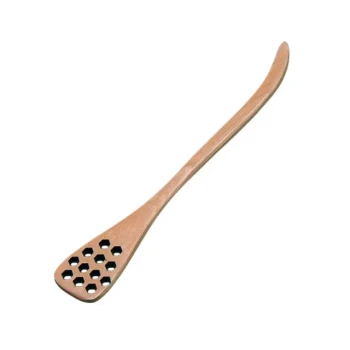
- Modern Honeycomb Pattern Wooden Honey Dipper for Stirring and Drizzling
- High Quality Honey Dehumidifier Dryer Thickening Machine for Beekeeping
- Professional Honey Uncapping Roller for Efficient Harvesting
- Honey Concentrating Vacuum Heating Thickening Machine Dehumidifier for Honey
People Also Ask
- What are the benefits of using a honey dryer for honey production? Boost Yield & Quality
- What are the features of the honey dryer? Achieve Premium Quality & Maximize Your Harvest
- What are the key features of the honey dryer? Essential Guide to Advanced Moisture Reduction Technology
- What is the primary construction material of the honey dryer? Durable AISI 304 Stainless Steel for Beekeepers
- How does the design of some honey dryers achieve high drying efficiency without a vacuum system? Boost Your Productivity