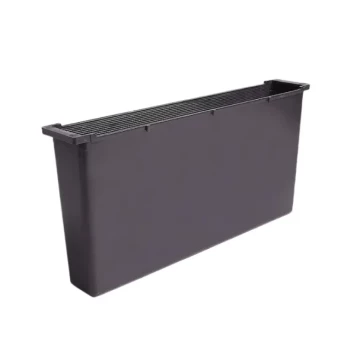
Hive stands and feeders form the structural and nutritional backbone of a functional apiary. A hive stand serves a protective role by elevating the colony to mitigate pests and moisture damage, while a feeder serves a vital physiological role by delivering essential nutrition, particularly during the critical establishment phase of a new hive.
By decoupling the hive from the ground, stands passively preserve the equipment and colony health; simultaneously, feeders actively ensure survival when natural forage is insufficient or the colony is too young to gather it alone.
The Protective Role of Hive Stands
Isolation from Pests
The primary function of a hive stand is physical isolation. By elevating the hive, you cut off the direct path for ground-based pests such as ants, termites, and rodents that would otherwise infest the colony. This separation creates a defensible perimeter that is difficult for crawling insects to breach.
Moisture Management and Equipment Longevity
Stands prevent the wooden bottom of the hive from absorbing ground moisture. This is critical for preventing wood rot, thereby significantly extending the service life of your apiary equipment. Keeping the base dry also discourages termites and other wood-destroying organisms.
Disease Prevention through Ventilation
Beyond saving the wood, stands facilitate improved airflow and ventilation at the bottom of the hive. This reduces excessive humidity within the colony, which lowers the incidence of fungal diseases like chalkbrood. Proper ventilation also helps bees maintain the correct internal temperature and humidity balance required for honey quality.
Ergonomics for the Beekeeper
While often overlooked, the stand functions as an ergonomic tool. Elevating the hive to a workable height facilitates easier routine inspections and health monitoring. This reduces physical strain on the beekeeper, leading to more thorough and frequent management.
The Nutritional Role of Feeders
Critical Support for New Colonies
The feeder is described as a critical tool for establishing new hives. During the initial growth phase, a new colony may not have the workforce or resources to forage effectively. Feeders bridge this gap, providing the sugar water or syrup necessary for the bees to build comb and raise brood.
Controlled Delivery Systems
Feeders facilitate closed feeding, ensuring nutrition is delivered in a controlled environment. Devices such as hive-top, entrance, and in-hive feeders hold the mixture so it is accessible only to the bees within that specific hive. This prevents resource competition and ensures the target colony receives the full benefit of the supplementation.
Operational Considerations and Trade-offs
Matching Equipment to Hive Type
Not all feeders work with all hive configurations. The specific type of feeder you select must be compatible with the hive type being maintained to function correctly. Using an incompatible feeder can lead to leaks, drowning bees, or inaccessible food.
The Necessity of Elevation
While a hive stand requires an initial setup effort, the trade-off of placing a hive directly on the ground is severe. Without a stand, the acceleration of equipment degradation due to rot and the increased risk of colony collapse from moisture-related diseases are substantial.
Making the Right Choice for Your Goal
To maximize the success of your apiary, apply these principles based on your immediate objectives:
- If your primary focus is Equipment Longevity: Prioritize a sturdy hive stand to prevent ground contact, as this stops wood rot and extends the life of your wooden components.
- If your primary focus is Colony Health: Ensure your stand allows for bottom ventilation to reduce fungal risks like chalkbrood.
- If your primary focus is Colony Establishment: Invest in a hive-compatible feeder to provide immediate, accessible nutrition during the critical initial growth phase.
Successful beekeeping relies on protecting the physical hive environment while actively supporting the colony's nutritional needs.
Summary Table:
| Equipment | Primary Function | Key Benefit | Key Target Issue |
|---|---|---|---|
| Hive Stand | Physical Elevation | Prevents wood rot & pest infestation | Ground moisture & crawling insects |
| Feeder | Nutritional Delivery | Ensures survival during establishment | Forage scarcity & weak colonies |
| Ventilation | Airflow Management | Reduces fungal disease risks | High humidity & Chalkbrood |
Scale Your Apiary Operations with HONESTBEE
At HONESTBEE, we understand that commercial apiaries and distributors require more than just supplies—they need durable, high-performance solutions. Whether you are seeking precision hive-making machinery, honey-filling equipment, or a comprehensive wholesale supply of specialized beekeeping tools and hive-themed merchandise, we are here to support your business growth.
Our value to you:
- Commercial-Grade Durability: Equipment designed to extend service life and minimize maintenance.
- Comprehensive Wholesale Portfolio: From essential consumables to industrial-grade machinery.
- Targeted Solutions: Tailored for large-scale operations and distribution networks.
Ready to enhance your apiary's efficiency? Contact us today to discuss your wholesale needs!
Related Products
- Professional Hive Top Bee Feeder for Beekeeping
- Metal Bee Hive Stand Bee Box Stand for Beekeeping
- 3.5L Plastic Beehive Frame Feeder Deep Frame Water Feeder for In Hive Use
- HONESTBEE Professional Hive Top Bee Feeder Feeding Solution
- Metal Hive Feet Bee Hive Stand for Ant Protection
People Also Ask
- What is a hive top feeder? A Guide to Efficient, Low-Stress Beekeeping
- Do I need an inner cover with a hive top feeder? Optimize Your Hive Setup for Healthy Bees
- What is a hive top feeder, and how does it work? A Complete Guide to Efficient In-Hive Feeding
- What are the characteristics, advantages, and disadvantages of hive top feeders? Optimize Your High-Volume Feeding
- How does a hive top feeder work? Optimize Your Apiary's Nutrition and Security