High-quality bee feed and specialized equipment function as a critical life-support system during periods of environmental scarcity. Together, they provide precise, balanced nutrition to maintain the colony’s population and defensive capabilities while minimizing waste and the risk of disease.
Supplemental feeding is more than a survival mechanism; it is a strategic preparation for future productivity. By securing the colony's nutritional intake through hygienic, internal delivery systems, you ensure the workforce remains strong enough to capitalize on the next harvest season.
The Strategic Function of High-Quality Feed
Bridging Nutritional Gaps
During periods of nectar shortage or winter preparation, natural resources are insufficient to sustain a hive. High-quality feed steps in to provide balanced carbohydrates and proteins. This nutritional balance is essential for the colony's metabolic functions when foraging is impossible.
Maintaining Colony Demographics
The primary biological function of this feed is to support the hive's reproductive cycle. Continuous nutrition ensures the Queen maintains her egg-laying capacity, preventing a population crash.
Preparing for the Harvest
Beyond survival, the feed sustains worker bee vitality. By keeping the workers healthy and the population high during non-foraging periods, the colony builds a sufficient workforce ready to perform immediately when the next harvest season begins.
The Role of Specialized Feeding Equipment
Ensuring Precision and Hygiene
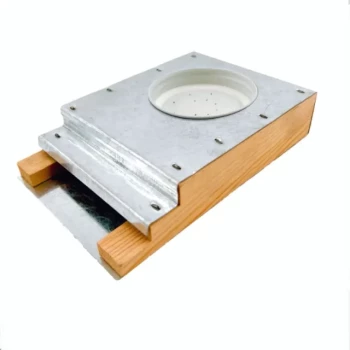
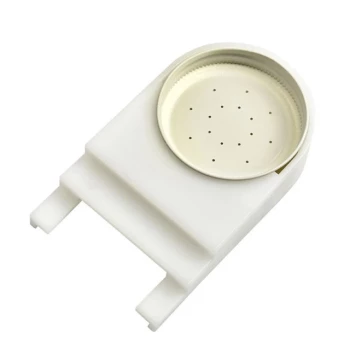
Specialized feeders are engineered to deliver syrup precisely, typically located at the top of the beehive. This design ensures that nutritional substances are consumed hygienically by the colony, preventing the contamination often associated with traditional methods.
Preventing Resource Waste
Unlike open feeding, specialized equipment is designed to contain the feed securely. This prevents spills and resource waste, ensuring that every ounce of nutrition provided is utilized by the intended colony rather than being lost to the environment.
Enhancing Colony Defense
One of the most critical functions of specialized equipment is the prevention of robbing behavior. By keeping the feed internal and avoiding external spills, these feeders discourage aggressive bees from other colonies or pests from attacking the hive, preserving the colony's defensive energy during vulnerable dearth periods.
Understanding the Trade-offs
The Risk of Improper Feeding Methods
While specialized equipment is effective, failing to use it poses significant risks. Traditional open feeding methods often lead to internal hive contamination and rapid spread of disease between colonies.
Balancing Cost vs. Colony Security
Investing in specialized top feeders requires more upfront capital than makeshift solutions. However, the cost of equipment must be weighed against the potential loss of a colony due to robbing induced by sloppy feeding or starvation due to inefficient intake.
Making the Right Choice for Your Goals
To apply this effectively, assess the current state of your apiary and your immediate objectives:
- If your primary focus is Colony Growth: Prioritize high-protein feed to maximize the Queen's egg-laying capacity and build a robust workforce for the upcoming flow.
- If your primary focus is Overwintering Survival: Utilize internal top feeders to deliver carbohydrate-heavy syrup cleanly, minimizing moisture buildup and preventing robbing during resource-scarce months.
Effective supplemental feeding transforms a season of scarcity into a period of strategic growth.
Summary Table:
| Feature | Function & Benefit |
|---|---|
| High-Quality Feed | Provides balanced protein/carbs to sustain the Queen's egg-laying and worker vitality. |
| Top Feeders | Ensures hygienic syrup delivery inside the hive, reducing moisture and contamination. |
| Precision Delivery | Minimizes resource waste and prevents spills that attract pests. |
| Internal Design | Discourages robbing behavior and preserves colony defensive energy during dearth. |
Scale Your Apiary Operations with HONESTBEE
Maximize your colony productivity and minimize seasonal losses with professional-grade solutions. HONESTBEE specializes in supporting commercial apiaries and distributors by providing a comprehensive wholesale range of:
- High-Efficiency Machinery: Hive-making and honey-filling machines to streamline your production.
- Specialized Equipment: Durable feeders, hive hardware, and advanced beekeeping tools.
- Industry Consumables: A wide array of essential supplies and honey-themed cultural merchandise.
Whether you are expanding your commercial operation or stocking a distribution network, our expertise ensures you get the reliability and quality your business demands.
Contact HONESTBEE today to discuss your wholesale requirements!
References
- Mustafa Bahadır ÇEVRİMLİ, Engin Umut Sakarya. Arıcılık işletmelerinin yapısal özellikleri ve sorunları; Ege Bölgesi örneği. DOI: 10.15312/eurasianjvetsci.2018.187
This article is also based on technical information from HonestBee Knowledge Base .
Related Products
- White Plastic 0.5L Beekeeping Entrance Feeder for Bees
- HONESTBEE Professional Hive Top Bee Feeder Feeding Solution
- HONESTBEE Entrance Bee Feeder Efficient Hive Front Liquid Feeding Solution for Beekeeping
- HONESTBEE Professional Entrance Bee Feeder Hive Nutrition Solution
- HONESTBEE Entrance Bee Feeder Professional Hive Nutrition Solution for Beekeeping
People Also Ask
- How do you make an entrance feeder for bees? A Guide to Safe & Effective Hive Feeding
- How to make an entrance feeder for bees? A DIY Guide for Safe & Effective Feeding
- How does a bee entrance feeder work? A Simple Guide to Convenient Hive Feeding
- What is a bee entrance feeder and what are its drawbacks? Essential Guide to Hive Security and Feeding Efficiency
- What are the advantages and disadvantages of using an entrance feeder for bees? Balance Convenience and Hive Security.