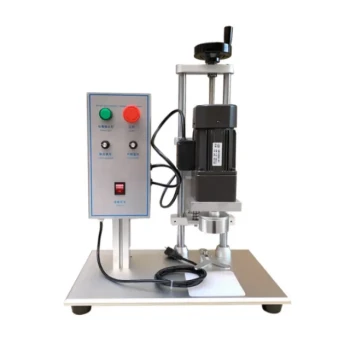
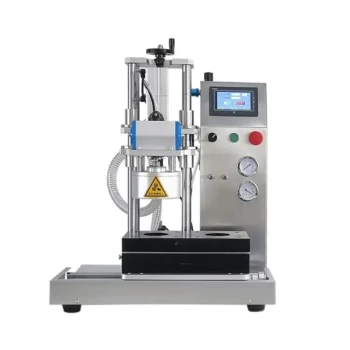
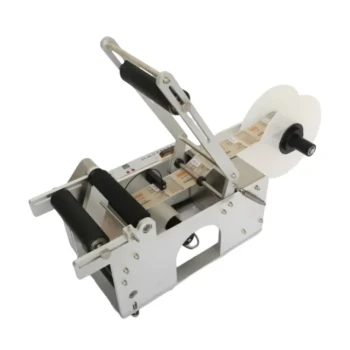
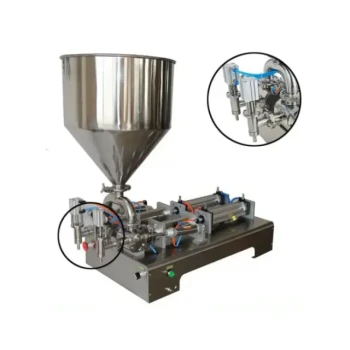
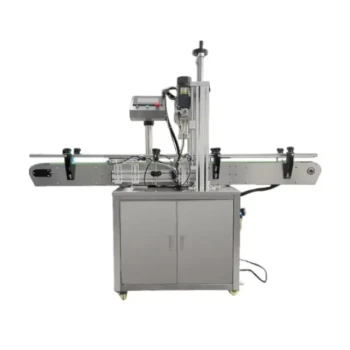
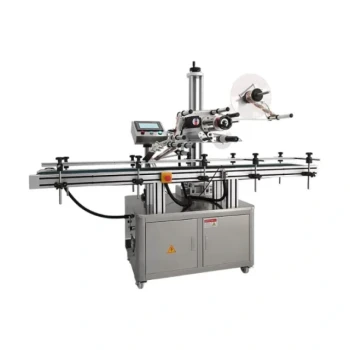
Semi-automatic filling machines offer a strategic balance between manual labor and full automation. Their primary advantages are significant cost-effectiveness and operational versatility. By blending manual loading with automatic dispensing, these systems lower labor costs and boost production efficiency for products ranging from liquids to dense spreads like honey.
These machines are designed to bridge the gap between hand-filling and large-scale automation, providing high precision and flexibility for diverse container shapes without the heavy capital investment of fully automatic lines.
The Mechanics of Versatility
Adapting to Container Variety
One of the strongest assets of semi-automatic fillers is their adaptability. They are designed to be easily configured to accommodate a wide variety of container sizes and shapes.
whether you are filling standard bottles or unique artisan jars, the machine can be adjusted to fit the specific dimensions of your packaging. This flexibility is crucial for businesses that run multiple product lines.
Handling Diverse Product Viscosities
These machines are not limited to free-flowing liquids. They are engineered to handle different product types effectively, including liquids, pastes, and high-density products.
This capability makes them an ideal solution for packaging viscous items like spreads and honey. Manufacturers can use a single piece of equipment to fill products with vastly different consistencies.
Efficiency and Control
Reducing Labor Costs
While they are not fully autonomous, semi-automatic machines significantly lower labor costs compared to manual filling.
The machine takes over the most time-consuming and error-prone part of the process: the actual dispensing. This allows operators to focus on loading and logistics rather than measuring.
Precision through Automation
A semi-automatic filler operates via a hybrid process: the product is manually loaded into a hopper, but an automatic process dispenses the product.
This automatic dispensing ensures a high degree of precision. It grants the operator control over the fill level, ensuring consistency across every unit produced and reducing product waste.
Understanding the Trade-offs
Operational Dependencies
It is important to recognize that "semi-automatic" implies a reliance on human interaction. Because the product must be manually loaded or the container positioned by hand, the production speed is ultimately capped by the operator's pace.
Scalability Limits
While excellent for boosting efficiency in small to medium operations, these machines may become a bottleneck in high-volume mass production. If your daily output requirements are extreme, the manual elements of the process may prevent you from reaching maximum theoretical throughput.
Making the Right Choice for Your Goal
If you are evaluating whether a semi-automatic filling machine fits your production line, consider your immediate priorities:
- If your primary focus is Cost-Effectiveness: These machines provide a way to boost production efficiency and lower labor costs without the expense of a fully automated system.
- If your primary focus is Product Flexibility: The ability to easily switch between different container shapes and product densities (from liquids to pastes) makes this an ideal choice for diverse product lines.
By leveraging the precision of automatic dispensing with the flexibility of manual oversight, you create a production process that is both efficient and adaptable.
Summary Table:
| Feature | Advantage | Benefit |
|---|---|---|
| Hybrid Operation | Manual loading + Auto-dispensing | High precision with lower labor costs |
| Versatility | Handles liquids to thick pastes | Ideal for diverse product lines (e.g., honey) |
| Adaptability | Adjustable for various containers | No need for multiple machines for different jars |
| Cost-Effectiveness | Lower capital investment | High ROI for small to medium operations |
| Control | Operator-regulated fill levels | Reduced product waste and consistent quality |
Scale Your Apiary Success with HONESTBEE
Are you looking to transition from manual labor to professional-grade efficiency? HONESTBEE specializes in empowering commercial apiaries and distributors with the high-performance machinery needed to grow.
Our comprehensive range of honey-filling machines, hive-making equipment, and essential beekeeping tools are designed to handle the unique viscosity of honey while ensuring maximum precision. Whether you are a large-scale distributor or a growing commercial producer, our wholesale solutions provide the hardware and consumables you need to streamline your operations.
Ready to elevate your production capacity? Contact our expert team today to find the perfect filling solution for your business!
Related Products
- Semi Automatic Small Honey Bottle Filling Machine Honey Filler
- Precision Durable Efficient HONESTBEE Rotary Honey Filling Machine
- Semi Automatic Electric Bottle Capping Machine
- Semi-Automatic Vacuum Capping Machine with Pneumatic Control for Glass Jars
- Automatic Honey Filling and Filtering Machine for Beekeeping Bottle Filling
People Also Ask
- What is a semi-automatic honey filler? Scale Your Honey Production with Precision and Efficiency
- What are the application advantages of honey filling machines? Elevate Precision and Hygiene in Your Production Chain
- What challenges can arise from packaging honey without a suitable filling machine? Optimize Your Production Today
- What does the honey packaging process in a factory typically involve? A Step-by-Step Guide to Quality Honey Production
- What types of filling mechanisms are used in honey filling machines? Find the Best Tech for Your Viscosity