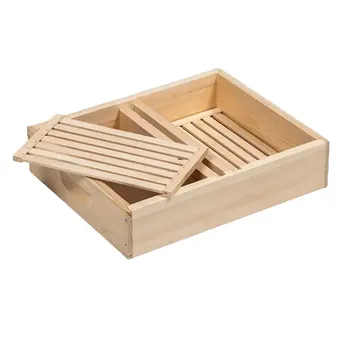
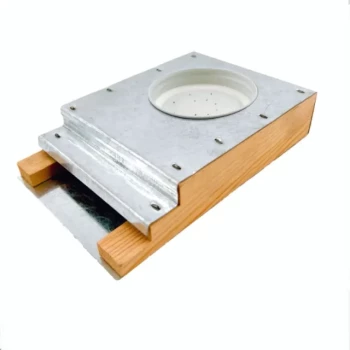
The main beehive feeder types are hive-top, frame, entrance, pail, and baggie feeders. Their key differences are where they are installed, how much syrup they hold, whether the hive must be opened for refilling, and how well they protect feed from cold and robbing. For most Langstroth-based apiaries, the correct choice depends on colony strength, season, feeder capacity, and labor efficiency.
Hive-top and pail feeders prioritize capacity and reduced labor; frame feeders provide protected, in-hive access; entrance feeders maximize convenience but require frequent attention; and baggie feeders offer a low-cost, flexible supplemental option.
How the Main Feeder Types Differ
Hive-Top Feeders
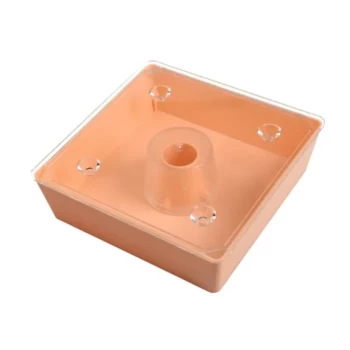
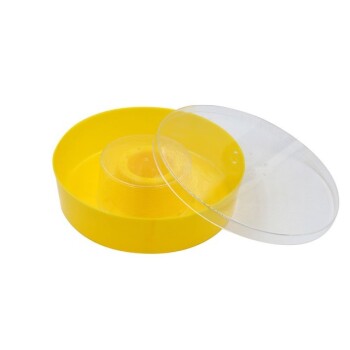
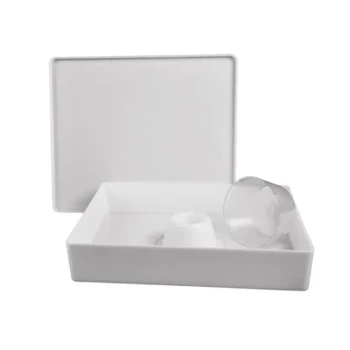
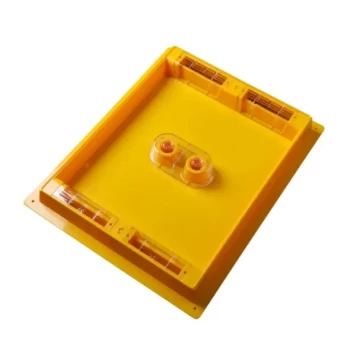
Hive-top feeders are installed above the brood nest or highest honey super, generally beneath the outer cover. Depending on the model, the feeder may replace the inner cover or sit above it with an empty hive body used to enclose the unit.
They hold relatively large quantities of syrup, making them suitable for strong colonies and commercial yards where frequent refilling is inefficient. Beekeepers can usually replenish feed without disturbing the brood chamber.
Quality models commonly use floats, rafts, or access surfaces to help bees reach the syrup while reducing the risk of drowning. The feeder should be properly covered to limit exposure to weather and prevent leakage.
Frame Feeders
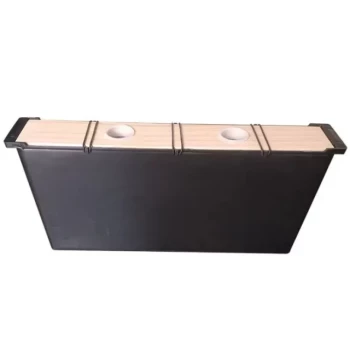
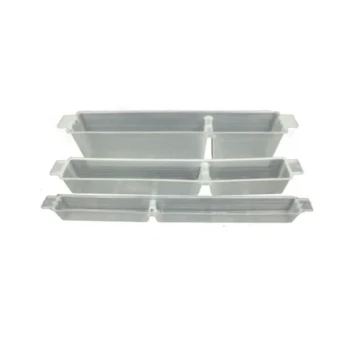
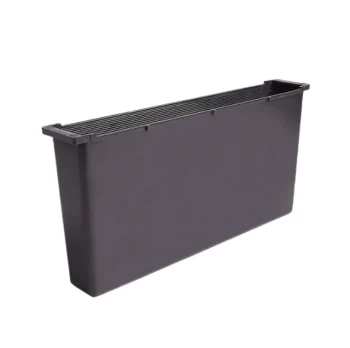
Frame feeders, also called division board feeders, are installed inside the hive body in place of one or two standard frames. Their dimensions are designed to fit the frame spacing of compatible hive equipment.
Because the syrup is positioned within the hive and close to the cluster, it can remain more accessible during cooler conditions. This makes frame feeders useful when bees may be reluctant to travel to an external or exposed feeding point.
Their internal location also reduces the likelihood of attracting neighboring colonies or other pests compared with exposed entrance feeding. The main operational cost is that the hive must be opened to inspect or refill the feeder.
Entrance Feeders
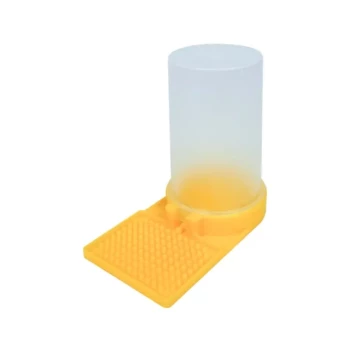
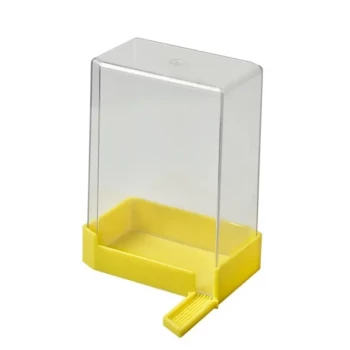
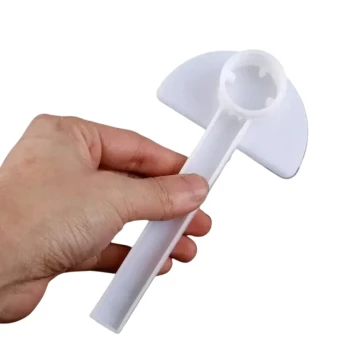
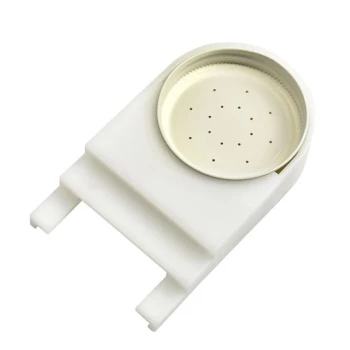
Entrance feeders are mounted at or near the hive entrance, commonly using an inverted jar or small container. Syrup levels are visible from outside, and refilling can often be completed without removing the hive cover.
They are inexpensive, simple to install, and practical for small apiaries, short-term feeding, or quick visual checks. Their relatively small capacity, however, means they generally require more frequent refilling.
Because feed is placed near the entrance, entrance feeders can encourage robbing, particularly during nectar dearths. They may also be less effective in cold weather if bees cannot readily access the feed.
Pail Feeders
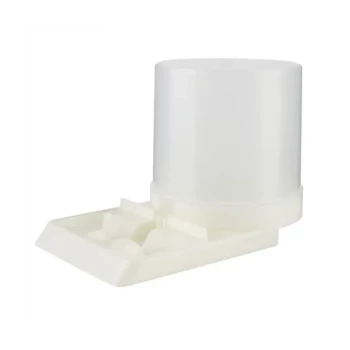
Pail feeders are inverted buckets or pails placed over the inner-cover hole and enclosed inside an empty hive body or super. Vacuum tension controls the release of syrup through small openings.
Their larger capacity reduces refill frequency and makes them suitable for expanding apiaries or bulk feeding programs. The enclosing hive body also helps protect the syrup from cold conditions and reduces its visibility to outside bees.
Pail feeders require sufficient vertical space above the hive and must be installed securely to avoid leaks. They are generally more labor-efficient than small entrance feeders but less integrated into the brood nest than frame feeders.
Baggie Feeders
Baggie feeders use plastic bags filled with syrup and placed on top of the frames or top bars, typically beneath an empty hive body or cover. Small punctures allow bees to access the liquid.
They are low-cost, lightweight, and useful for emergency or supplemental feeding. Beekeepers can scale their use across many colonies without investing in a dedicated rigid feeder for every hive.
Their capacity and durability are limited by the bag size and material. Installation also requires care to prevent leaks, and they are better suited to temporary feeding than to a permanent, high-volume feeding system.
How Installation Affects Daily Apiary Work
External Access Versus Hive Access
Entrance feeders and many hive-top feeders can be refilled with limited disturbance to the colony. This is valuable when the operational priority is rapid servicing across many colonies.
Frame feeders require the beekeeper to open the hive because they occupy space inside the hive body. Baggie feeders also generally require access beneath the cover, although they can be replaced quickly once the hive is opened.
Capacity and Refill Frequency
Small entrance feeders typically require frequent checks and refills. This can be acceptable for a hobbyist managing a few colonies but creates additional labor across a commercial yard.
Hive-top and pail feeders hold larger volumes and therefore support longer intervals between service visits. Capacity should still be matched to colony demand so that syrup does not remain unused for unnecessarily long periods.
Compatibility With Hive Equipment
Frame feeders are dependent on the hive body and frame configuration. Langstroth hives, including common eight-frame and ten-frame formats, are especially compatible with frame-based feeder designs.
Hive-top, pail, and baggie feeders require adequate space above the frames and proper cover or super dimensions. Top-bar hives may require different solutions because they do not use standard removable Langstroth frames.
Matching Feeder Type to Apiary Conditions
Strong Colonies and High-Volume Feeding
Strong colonies generally benefit from high-capacity hive-top or pail feeders. These designs reduce refill frequency and support efficient servicing when many colonies need syrup at the same time.
For distributors and resellers, these products are particularly relevant to commercial customers seeking standardized equipment and fewer service visits.
Cool Weather Feeding
Frame feeders place liquid feed close to the cluster, helping maintain access when temperatures make external feeding less practical. Enclosed pail feeders can also provide better environmental protection than exposed entrance jars.
Feeder placement should not be treated as a substitute for sound seasonal management. Weather, colony strength, and the bees’ ability to reach the feed remain important.
Emergency or Short-Term Feeding
Baggie feeders are practical when a beekeeper needs a low-cost, quickly deployable option. Entrance feeders can also support short-term feeding when easy visual monitoring is more important than capacity.
Neither option is automatically the best choice for sustained, high-volume feeding across a large apiary.
Minimizing Robbing Risk
Internal feeders—especially frame feeders and enclosed pail feeders—place the feed away from the hive entrance and reduce its exposure to neighboring bees. This is useful during nectar dearths, when colonies may be more likely to investigate external syrup sources.
Entrance feeders require the greatest caution in these conditions. Spills, leaks, and exposed syrup can increase unwanted bee activity around the hive.
Understanding the Trade-offs
Labor Efficiency Versus Accessibility
High-capacity feeders reduce refill labor but may require more space, careful installation, and greater initial investment. Small entrance feeders are easy to inspect but create more frequent service work.
The best commercial choice is not necessarily the feeder with the largest capacity; it is the one that minimizes total labor while remaining reliable for the target colony and season.
Convenience Versus Robbing Exposure
Entrance feeders are highly convenient because the syrup level is visible and the colony may not need to be opened. Their external position, however, creates a greater opportunity for robbing and pest attraction.
Internal or enclosed feeders provide better protection but can make inspection and refilling less immediate.
Capacity Versus Feed Freshness and Handling
Large pail and hive-top feeders reduce refill frequency, but they require careful handling of heavier syrup loads and secure sealing. Any feeder with excessive capacity for the colony’s needs may be inefficient rather than beneficial.
Smaller baggie or entrance feeders provide more frequent opportunities to replace feed, but they increase labor and may be less suitable for large-scale operations.
Safety and Product Quality
Feeders must provide bees with safe access to liquid syrup. Floats, rafts, access surfaces, and properly designed dispensing openings help reduce drowning risk.
For wholesale or distribution programs, product consistency matters as much as price. Fit, leak resistance, material quality, packaging, replacement availability, and compatibility with common hive equipment should be evaluated before placing larger orders.
Making the Right Choice for Your Goal
Select the feeder by balancing colony needs with the amount of labor, capacity, protection, and equipment compatibility required.
- If your primary focus is high-volume commercial feeding: Choose hive-top or pail feeders with substantial capacity, secure construction, and efficient refill access.
- If your primary focus is cool-weather or robbing-sensitive feeding: Choose frame feeders or enclosed pail feeders that keep syrup inside the hive environment.
- If your primary focus is simple inspection and low initial cost: Choose entrance feeders, while planning for frequent refilling and careful robbing control.
- If your primary focus is emergency or supplemental feeding: Choose baggie feeders for their low cost and flexible short-term deployment.
- If your primary focus is wholesale or apiary-wide standardization: Prioritize feeder compatibility with the customer’s hive format, dependable supply, consistent quality, and fast fulfillment.
The right feeder is the one that aligns installation method, capacity, bee access, seasonal conditions, and apiary labor with the beekeeper’s operating goal.
Summary Table:
| Feeder Type | Installation | Capacity | Refill Access | Robbing Risk | Best For |
|---|---|---|---|---|---|
| Hive-top | Above brood nest | Large | No hive opening | Low | High-volume feeding |
| Frame | Inside hive body | Medium | Hive opening | Low | Cool weather feeding |
| Entrance | At entrance | Small | No hive opening | High | Quick checks, small apiaries |
| Pail | Above inner cover | Large | No hive opening | Low | Bulk feeding programs |
| Baggie | On top of frames | Variable | Hive opening | Medium | Emergency feeding |
HONESTBEE is your one-stop wholesale partner for high-quality beehive feeders and complete apiary equipment. We supply all types of feeders, from hive-top to baggie, ensuring durable, compatible, and efficient solutions for your customers. Our dedicated service includes rapid response, expert advice, and ultra-fast delivery to keep your inventory moving. Contact us today to discuss your wholesale needs and secure a reliable supply! Get in touch
Related Products
- Rapid Bee Feeder White Plastic 2L Round Top Feeder for 8 or 10-Frame Bee Hives
- 3.5L Plastic Beehive Frame Feeder Deep Frame Water Feeder for In Hive Use
- HONESTBEE Square Top Hive Bee Feeder Top Bee Feeder
- Professional In-Hive Frame Bee Feeder by HONESTBEE
- HONESTBEE Round Hive Top Bee Feeder for Syrup
People Also Ask
- What should be done with feeders and equipment after feeding bees? Essential Steps for Apiary Health
- What should be done if feed in a feeder is not consumed by the bees? Prevent Hive Mold with Prompt Feed Management
- How do different styles of bee feeders compare? Discover the best design for your apiary's needs.
- What is the necessity of specialized internal or entrance feeders? Secure Your Hive with Professional Feeding Tools
- How do bee feeders work to preserve colony health during nectar shortages? Essential Guide for Beekeepers