Commercial beehive equipment must treat the hive as a protected production system. The most significant threats include ants, termites, wax moths, vermin, lizards, wasps, beetles, parasitic mites, and large predators such as bears. Effective equipment combines elevated stands, sealed hive construction, controlled entrances, monitoring and treatment compatibility, transport strength, and site-level security.
Core takeaway: Physical barriers prevent many pests from entering, while modular monitoring and treatment features help control threats that cannot be stopped through construction alone. For commercial buyers, the strongest product portfolio combines durable hive hardware, pest-control accessories, mobile equipment, and fast replacement support.
The Main Threats to Commercial Beehives
Ants and Termites
The primary reference identifies red ants as the most frequently reported threat, with a 25% attack rate, followed by termites at 20%. Both can compromise colonies directly, while termites may also damage wooden hive stands, boxes, and other equipment.
Ants are especially likely to exploit ground contact, cracks, and poorly protected stand legs. Termites create a longer-term structural risk by attacking wooden components and weakening the hive’s support system.
Wax Moths and Small Hive Beetles
Wax moths account for approximately 12.5% of the threats listed in the primary reference. Their larvae burrow through comb, weaken stored frames, and damage honeycomb architecture, particularly in weak colonies or poorly protected stored equipment.
Small Hive Beetles are an additional concern for commercial operations. Their control requires both restricted entrances and physical trapping systems, especially in warm conditions or apiaries with significant pest pressure.
Vermin, Lizards, Wasps, and Hornets
The primary reference lists vermin and lizards at approximately 10% each. These larger intruders can disturb colonies, prey on bees, or damage hive components while attempting to reach the colony.
Wasps and hornets attack adult bees and may raid honey reserves. Their pressure is particularly serious near weak colonies, during periods of food scarcity, or when hive entrances are unnecessarily large.
Varroa Mites and Hive Pathogens
Varroa destructor is a major biological threat that cannot be managed solely through hive construction. Commercial equipment should therefore support diagnostic sampling, treatment application, and inspection without requiring excessive colony disruption.
Microsporidian pathogens such as Nosema ceranae also require operational controls, including hygienic feeder systems, cleanable surfaces, and replaceable internal components.
Bears and Other Large Animals
Bears can destroy hive bodies, supers, frames, and comb while seeking honey and brood. This is not simply a pest issue; it is a major capital-equipment and production risk.
In bear-populated areas, physical hive improvements must be combined with perimeter electric fencing, secure stand mountings, and appropriate apiary placement.
How Hive Equipment Should Be Designed
Elevate the Hive Above the Ground
Hive stands should raise the hive sufficiently to reduce direct access from ants, termites, and ground-dwelling vermin. The stand should also provide stable support during inspections, loading, and transport.
For commercial products, the preferred design is an elevated stand with integrated ant guards or barrier moats. These features create a controlled interruption between the ground and the hive rather than relying only on chemical deterrents.
Protect Stand Legs and Contact Points
Stand legs should minimize rough surfaces, cavities, and direct pathways that pests can climb. Ant guards should be easy to inspect, clean, refill, or replace.
The design should also prevent vegetation, loose equipment, or debris from creating a bridge around the barrier. A technically effective guard can fail if the surrounding apiary environment bypasses it.
Use Durable, Pest-Resistant Materials
Hive bodies, stands, and accessory components should use high-density materials resistant to wood-boring pests and repeated outdoor exposure. Where wood is used, joints and surfaces should be designed to limit moisture retention and concealed pest access.
For distributors and resellers, material consistency is important. Standardized dimensions, interchangeable parts, and reliable replacement availability reduce downtime when damaged components must be removed from service.
Tighten Hive Body and Roof Interfaces
Hive bodies, supers, roofs, floors, and frames should fit tightly enough to limit pest entry while still allowing routine inspection and ventilation. Gaps and warped components create access points for wax moths, beetles, wasps, and other intruders.
Sealing should not mean making the hive airtight. Bees require appropriate airflow, and transported colonies require controlled ventilation to prevent overheating and suffocation.
Control the Hive Entrance
Entrance reducers are among the simplest and most valuable defensive components. They reduce the opening that pests and predators can use while helping a colony defend its entrance.
Commercial systems should offer replaceable entrance reducers in multiple configurations. This allows beekeepers to adjust access for colony strength, seasonal conditions, transport, and local pest pressure.
Add Robbing Screens and Wasp Protection
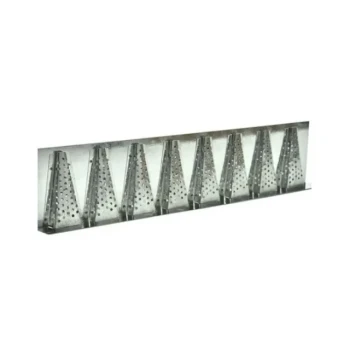
Robbing screens can help prevent hostile bees and wasps from directly locating the colony entrance. Metal entrance guards and specialized wasp traps provide additional protection where predatory wasps or hornets are common.
These components should be removable and easy to clean. A protection system that interferes with normal bee traffic or becomes clogged can reduce colony performance.
Integrate Beetle and Mite Management
Screened bottom boards can support ventilation and provide a platform for monitoring or trapping pests. Oil-filled beetle traps and other physical trap hardware can be incorporated into compatible hive-floor systems.
For Varroa management, equipment should allow access for alcohol-wash or sugar-roll sampling, as well as treatment devices such as oxalic acid vaporizers or temperature-controlled thermal treatment equipment. These tools should be used within applicable safety, label, and regulatory requirements.
Design for Cleanliness and Replacement
Feeders and internal hive components should be hygienic, easy to wash, and resistant to contamination. Replaceable inner components allow operators to remove damaged or contaminated parts without replacing the entire hive.
This modularity is valuable for commercial apiaries because it simplifies maintenance, inventory planning, and rapid turnaround between colonies.
Designing for Migratory and Mobile Beekeeping
Reinforce the Hive for Transport
Migratory beekeeping exposes colonies to changing pest habitats and repeated loading stresses. Hive bodies, roofs, floors, and frame supports should resist shifting, impact, vibration, and repeated assembly.
Heavy-duty hive straps and secure fastening points help keep boxes together during movement. These features also reduce the chance of accidental opening, frame displacement, or colony loss.
Provide Controlled Transport Ventilation
Transport equipment must provide sufficient airflow while preventing escape and pest entry. Ventilation openings should be screened and positioned to avoid blockage when hives are stacked or secured.
The objective is controlled airflow, not maximum airflow. Excessive exposure during transport can destabilize the colony, while insufficient ventilation can cause overheating.
Support Rapid Relocation
Mobile hive stands, loading equipment, and transport-compatible components allow operators to move colonies quickly when predator pressure or environmental risk increases.
For commercial suppliers, this creates an opportunity to provide a complete mobile system rather than isolated hive boxes: compatible stands, straps, screens, loading tools, and replacement parts should work together.
Protecting the Apiary Beyond the Hive
Install Perimeter Electric Fencing
In bear country, electric fencing should be installed before bears discover the apiary. The supplementary reference identifies a robust perimeter system with three to four continuously charged strands as an appropriate deterrent approach.
Fencing protects both the colony and the woodenware. It should be combined with secure hive stand mountings so that animals cannot easily knock over or move the hives.
Choose the Site Carefully
Hives should be positioned away from livestock grazing zones and other areas where animals could rub against, knock over, or interfere with equipment.
Site selection is part of equipment risk management. Even a well-designed hive can be damaged if placed where large animals have easy physical access.
Keep Stored Frames Protected
Stored supers and frames require separate protection from active colonies. Frame storage racks, airtight equipment bags, and cold-storage or approved fumigation equipment can help preserve comb integrity against wax moths.
Storage products should support inspection and inventory control. Commercial operators need to know which frames are clean, treated, in rotation, or ready for deployment.
Understanding the Trade-offs
More Sealing Can Reduce Ventilation
Tight-fitting components restrict pest entry, but excessive sealing can trap heat and moisture. Hive products should therefore combine close tolerances with screened ventilation and adjustable airflow.
Entrance Reduction Can Restrict Colony Traffic
Entrance reducers improve defense, but an opening that is too small can create congestion or limit ventilation. The correct design should make adjustment simple rather than forcing beekeepers to use a single fixed opening.
Treatment Compatibility Adds Complexity
Screened floors, traps, vaporization equipment, and thermal treatment devices improve pest-management capability but increase product complexity. Components must be compatible, safe to operate, and easy to maintain.
Heavy-Duty Construction Increases Weight
Reinforced hive boxes, straps, and stands improve transport stability and predator resistance. However, added weight can increase labor, handling time, and shipping costs, so strength should be concentrated at high-stress points.
Protective Hardware Does Not Replace Monitoring
Physical barriers reduce exposure but cannot eliminate mites, pathogens, or all flying predators. Commercial equipment should be sold as part of an integrated management system that includes inspection, sampling, treatment, sanitation, and site management.
Making the Right Choice for Your Goal
Select equipment according to the operating environment, colony mobility, pest profile, and level of commercial risk.
- If your primary focus is ant and termite protection: Prioritize elevated hive stands with integrated ant guards or moats, pest-resistant materials, and protected stand contact points.
- If your primary focus is wax moth and beetle control: Choose tight-fitting hive components, adjustable entrance reducers, screened bottom boards, physical traps, and protected frame-storage systems.
- If your primary focus is Varroa management: Source equipment compatible with diagnostic sampling, screened floors, oxalic acid applicators, and other approved treatment methods.
- If your primary focus is migratory beekeeping: Select reinforced hive bodies, secure straps, transport screens, ventilated loading equipment, and mobile stands designed for rapid relocation.
- If your primary focus is bear or large-predator protection: Combine heavy-duty hive mountings with a properly installed electric perimeter fence and careful apiary site selection.
- If your primary focus is distribution and resale: Build a full-spectrum portfolio with standardized hive components, pest-control hardware, transport equipment, replacement parts, and responsive fulfillment support.
The strongest commercial beekeeping solution is not a single hive box but a coordinated equipment system that makes colonies harder to invade, easier to monitor, safer to move, and faster to restore when damage occurs.
Summary Table:
| Threat | Attack Rate | Key Equipment Mitigation |
|---|---|---|
| Ants | 25% | Elevated stands with ant guards or moats |
| Termites | 20% | Durable, pest-resistant materials |
| Wax Moths | 12.5% | Tight-fitting components, entrance reducers |
| Vermin/Lizards | ~10% each | Secure hive construction, entrance control |
| Wasps/Hornets | Not specified | Robbing screens, wasp traps |
| Varroa Mites | Not specified | Screened bottom boards, treatment compatibility |
| Bears | Not specified | Heavy-duty strapping, electric fencing |
Upgrade your apiary with HONESTBEE's comprehensive line of beekeeping equipment, designed to combat these threats and streamline your operations. From ant guards and entrance reducers to reinforced hive bodies and transport straps, we provide the full spectrum of tools you need for reliable pest protection and efficient colony management. As a one-stop source for commercial apiaries and distributors, we offer fast delivery, OEM/ODM support, and dedicated service to keep your business buzzing. Contact us today to secure your hives and boost your productivity!
Related Products
- Professional Reversible Beehive Hive Entrance
- Metal Hive Feet Bee Hive Stand for Ant Protection
- Black Plastic Beetle Barn Hive Beetle Trap for Beehives
- High-Performance Langstroth Bee Hives for Global Professional Beekeeping
- 8-Cone Galvanized Steel Bee Robber Guard
People Also Ask
- Where is the hive entrance typically located? Optimize Your Hive's Health and Honey Production
- What role does the size of the entrance play in hive ventilation? Master Beehive Climate Control
- What roles does the hive entrance (piquera) play in beehive management and colony health? Essential Guide for Pro Apiaries
- What are the primary advantages of providing a smaller entrance for a beehive? Boost Defense and Winter Survival
- Why adjust beehive entrance size for humidity? Boost Honey Ripening and Varroa Control in Commercial Apiaries