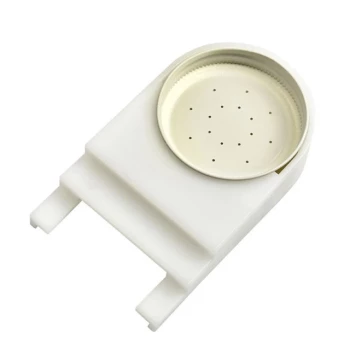
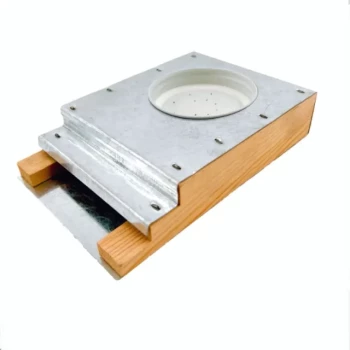
Dedicated beehive feeders provide superior operational control over nutritional supplementation compared to direct spraying methods. By containing the feed within a specific apparatus, you ensure the resources reach the intended colony without triggering external competition or compromising hygiene.
The use of dedicated feeders shifts nutritional support from a chaotic, open-air application to a secure, sanitary process. This prevents the triggering of aggressive "robbing" behavior and ensures the purity of the feed required for healthy brood rearing.
Mitigating Behavioral Risks
Preventing Robbing Behavior
Direct spraying exposes sugar scents to the open air, which can attract bees from neighboring colonies, wasps, and other predators. This open access often incites "robbing," where stronger colonies attack weaker ones to steal resources.
Containing the Stimulus
Dedicated feeders, such as top-mounted or frame-style models, isolate the feed within the hive structure. This containment prevents the scent of syrup or protein from drifting through the apiary.
Protecting Vulnerable Colonies
By limiting access strictly to the inhabitants of the hive, feeders allow you to support weaker colonies without painting a target on them. This is critical during nectar dearths when competition for resources is fiercest.
Ensuring Nutritional Hygiene
Shielding from Contaminants
Direct spraying leaves feed vulnerable to environmental debris, dust, and external pathogens. Feeders provide a closed environment, ensuring that sugar syrup or high-fructose corn syrup remains pure until consumption.
Supporting Immune Function
The cleanliness of the feed directly impacts the colony's biological health. Consistently clean nutrition supports robust immune function and prevents the introduction of foreign contaminants that could stress the bees.
Healthy Brood Rearing
Larvae and developing brood are highly sensitive to nutritional quality. By using feeders to maintain a hygienic supply chain, you ensure that the colony has the high-quality resources necessary for successful brood rearing.
Understanding the Trade-offs
The Requirement for Maintenance
While feeders protect feed from external contaminants, they are not self-cleaning. The "controlled environment" mentioned in the reference relies on the beekeeper keeping the equipment clean.
Potential for Internal Spoilage
If left unchecked for too long, syrup within a feeder can ferment or develop mold. Unlike spraying, which dries or is consumed quickly, feeders hold volume that requires monitoring to ensure the "hygiene" advantage is not lost to neglect.
Making the Right Choice for Your Goal
To maximize the health and stability of your apiary, align your method with your specific operational priorities.
- If your primary focus is Apiary Security: Use dedicated feeders to eliminate the open scents that trigger destructive robbing behavior between colonies.
- If your primary focus is Colony Health: Rely on feeders to ensure the syrup and protein remain free of environmental contaminants, safeguarding brood development.
Ultimately, dedicated feeders transform feeding from a temporary stopgap into a secure, sanitary management strategy.
Summary Table:
| Feature | Dedicated Beehive Feeders | Direct Spraying Method |
|---|---|---|
| Robbing Risk | Minimal (contained scent) | High (scent attracts predators) |
| Hygiene Control | High (protected from debris) | Low (exposed to environment) |
| Feeding Precision | Targeted to specific colony | Broad/Open application |
| Brood Support | Excellent (stable supply) | Moderate (temporary) |
| Maintenance | Requires regular cleaning | Minimal equipment cleaning |
Elevate Your Commercial Apiary with HONESTBEE Professional Equipment
Maximize your colony productivity and health with HONESTBEE's comprehensive range of professional beekeeping solutions. As a dedicated partner to commercial apiaries and global distributors, we provide the high-quality tools and machinery necessary to scale your operations efficiently. From precision-engineered hive-making and honey-filling machines to essential consumables and specialized hardware, our portfolio is designed to meet the rigorous demands of the modern honey industry.
Partner with HONESTBEE today to access:
- Wholesale Pricing: Competitive rates on full-spectrum beekeeping equipment and tools.
- Industrial Machinery: Advanced solutions for honey processing and hive manufacturing.
- Expert Support: Reliable supply chains for all your industry consumables and cultural merchandise.
Ready to optimize your apiary’s performance? Contact us today to discuss your wholesale needs and discover the HONESTBEE advantage.
References
- Kristina Gratzer, Robert Brodschneider. How Science Supports Honey Bees: Identification of Research on Best Practices in Beekeeping. DOI: 10.3390/insects16101025
This article is also based on technical information from HonestBee Knowledge Base .
Related Products
- Rapid Bee Feeder White Plastic 2L Round Top Feeder for 8 or 10-Frame Bee Hives
- 3.5L Plastic Beehive Frame Feeder Deep Frame Water Feeder for In Hive Use
- HONESTBEE Square Top Hive Bee Feeder Top Bee Feeder
- HONESTBEE Round Hive Top Bee Feeder for Syrup
- HONESTBEE Entrance Bee Feeder Professional Hive Nutrition Solution for Beekeeping
People Also Ask
- What should be done with feeders and equipment after feeding bees? Essential Steps for Apiary Health
- What should be done if feed in a feeder is not consumed by the bees? Prevent Hive Mold with Prompt Feed Management
- What is the necessity of specialized internal or entrance feeders? Secure Your Hive with Professional Feeding Tools
- How do bee feeders work to preserve colony health during nectar shortages? Essential Guide for Beekeepers
- How quickly does a medium to strong colony usually empty a feeder? A Beekeeper's Guide to Hive Health