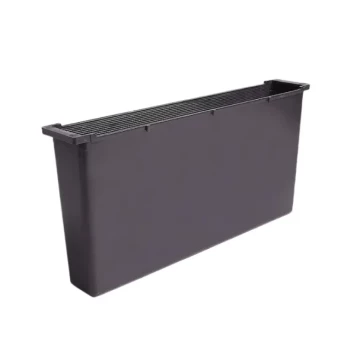
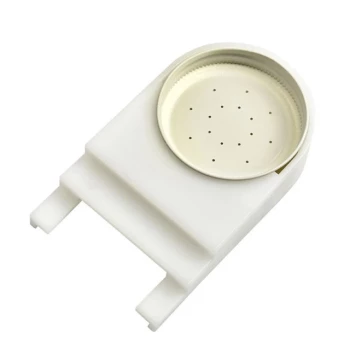
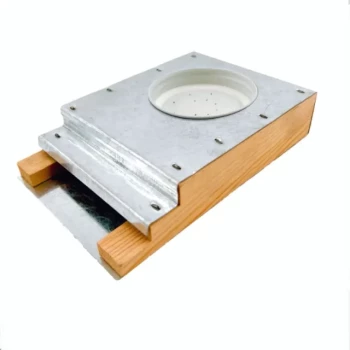
Top-frame feeders offer a critical operational advantage by enabling the precise, quantitative delivery of bioactive sugar syrup without breaching the hive's internal environment. By typically administering nutrients at a rate of 0.5 liters per day, this method maintains the colony's thermal stability while ensuring nurse bees receive the specific nutrition required for rearing superior queens.
Core Takeaway The true value of top-frame feeding is not just convenience, but biological stability. By feeding without opening the brood nest, you preserve the microclimate essential for larvae while directly fueling the nurse bees' ability to secrete high-quality royal jelly.
Preserving the Colony Environment
Maintaining Microclimate Stability
The most significant operational benefit of a top-frame feeder is the ability to feed without fully opening the hive.
Queen cells are highly sensitive to fluctuations in temperature and humidity. Top-frame feeders allow you to replenish supplies without exposing the brood nest to the outside elements, preserving the stable environment necessary for optimal larval development.
Reducing Stress on the Colony
Frequent inspections and manipulations can stress a colony, potentially leading to the rejection of queen cells.
By keeping the feeding mechanism at the top of the hive, you minimize physical disturbance to the cluster. This allows the colony to remain calm and focused entirely on the task of cell building and nursing.
Precision in Nutrient Delivery
Quantitative Control
Top-frame feeders provide a mechanism for exact dosage control, often targeted at 0.5 liters per day.
This allows the beekeeper to administer a specific volume of bioactive sugar syrup. Unlike general foraging, this ensures the colony receives a guaranteed caloric intake regardless of external weather conditions or nectar flows.
Efficient Consumption by Nurse Bees
The location and accessibility of these feeders ensure that nurse bees can efficiently access and consume the active substances.
Because the feed is easily accessible, nurse bees do not waste energy foraging. Instead, they can immediately process the nutrients, which is the first step in the biological chain of creating royal jelly.
From Syrup to Royal Jelly
Stimulating Glandular Secretion
The ultimate goal of this feeding method is to stimulate the nutritional glands of the nurse bees.
A continuous supply of syrup (often 1:1) and protein feed maintains high nursing motivation. When nurse bees are well-fed, their capacity to secrete rich, abundant royal jelly increases significantly.
Impact on Queen Quality
The operational choice of feeder directly impacts the biological quality of the resulting queen.
An excess supply of nutrition ensures that queen larvae are consistently "floating" in royal jelly throughout their development. This results in queens with greater weight and higher vitality, which are key indicators of future colony performance.
Understanding the Trade-offs
Requirement for Consistency
While top-frame feeders reduce disruption, they require a strict operational schedule to be effective.
To maintain the benefits of high nursing motivation, the supply must be continuous. Missing a scheduled feeding can cause a dip in glandular secretion, potentially compromising the quality of the developing larvae.
Equipment Management
Relying on specific feeder hardware introduces the need for maintenance.
Feeders must be checked to ensure they are delivering the syrup at the correct rate and haven't become clogged or contaminated. A malfunctioning feeder in a closed system may go unnoticed longer than an open-frame feeder.
Making the Right Choice for Your Goal
To maximize your queen rearing success, align your feeding strategy with your specific operational priorities:
- If your primary focus is Queen Vitality: Prioritize a strict schedule of 0.5 liters per day to ensure an excess supply of royal jelly for maximum larval weight.
- If your primary focus is Environmental Control: Use top-frame feeders during variable weather conditions to prevent chilling the queen cells during feeding.
By utilizing top-frame feeders to stabilize the environment and guarantee nutrition, you transform feeding from a simple chore into a precision tool for biological quality control.
Summary Table:
| Operational Advantage | Key Benefit to Queen Rearing | Impact on Colony Biologicals |
|---|---|---|
| Climate Stability | Prevents chilling of sensitive queen cells | Maintains optimal humidity for larvae |
| Precision Dosage | Quantitative control (0.5L/day) | Guarantees intake regardless of weather |
| Stress Reduction | Minimal disruption to the brood nest | Prevents cell rejection by keeping bees calm |
| Glandular Stimulation | Efficient access for nurse bees | Maximizes royal jelly secretion for heavier queens |
Elevate Your Apiary’s Productivity with HONESTBEE
At HONESTBEE, we specialize in empowering commercial apiaries and distributors with the precision tools needed for elite queen rearing. From high-efficiency top-frame feeders to advanced hive-making and honey-filling machinery, our comprehensive wholesale portfolio covers the full spectrum of beekeeping hardware and essential consumables.
Why partner with HONESTBEE?
- Scalable Solutions: Specialized equipment designed for high-volume commercial operations.
- Industry Expertise: A wide array of tools that ensure biological stability and honey-themed cultural merchandise to expand your brand.
- Quality Guarantee: Rugged, reliable machinery built to optimize your honey production and queen vitality.
Ready to scale your operation? Contact us today to discover how our wholesale offerings can streamline your beekeeping business!
References
- В. І. Шеремета, В. Г. Каплуненко. THE QUALITY OF QUEEN BEES BY FEEDING THE QUEEN BEE FAMILIES WITH BIOLOGICALLY ACTIVE SUBCORTEXES. DOI: 10.15407/animbiol18.02.144
This article is also based on technical information from HonestBee Knowledge Base .
Related Products
- Rapid Bee Feeder White Plastic 2L Round Top Feeder for 8 or 10-Frame Bee Hives
- Professional In-Hive Frame Bee Feeder by HONESTBEE
- HONESTBEE Professional Hive Top Bee Feeder Feeding Solution
- Professional In-Hive Bee Feeder HONESTBEE Frame for Beekeeping
- Professional Hive Top Bee Feeder for Beekeeping
People Also Ask
- What should be done with feeders and equipment after feeding bees? Essential Steps for Apiary Health
- What should be done if feed in a feeder is not consumed by the bees? Prevent Hive Mold with Prompt Feed Management
- What is the necessity of specialized internal or entrance feeders? Secure Your Hive with Professional Feeding Tools
- How do bee feeders work to preserve colony health during nectar shortages? Essential Guide for Beekeepers
- How quickly does a medium to strong colony usually empty a feeder? A Beekeeper's Guide to Hive Health