Splitting a honey bee colony inherently creates a queenless unit that requires immediate intervention to ensure survival. There are two distinct paths to address this: introducing a purchased caged queen or allowing the colony to utilize its own resources to rear a replacement naturally.
The choice between purchasing a queen and allowing natural requeening depends heavily on seasonal timing. While purchasing a queen offers speed and reliability, natural rearing is a cost-effective option that relies entirely on environmental conditions and the availability of drones.
Option 1: Introducing a Caged Queen
Immediate Colony Stabilization
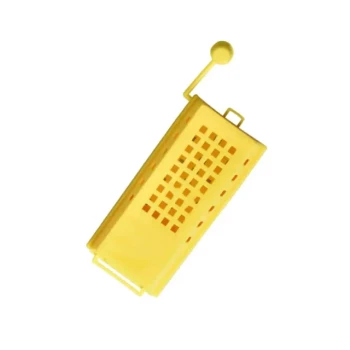
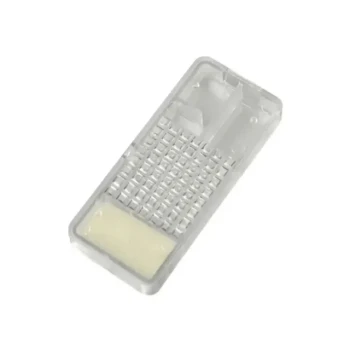
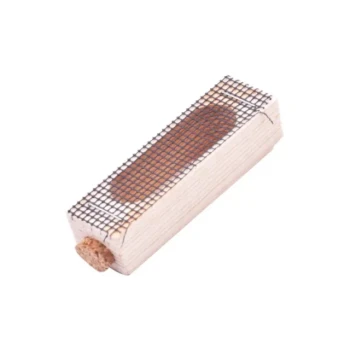
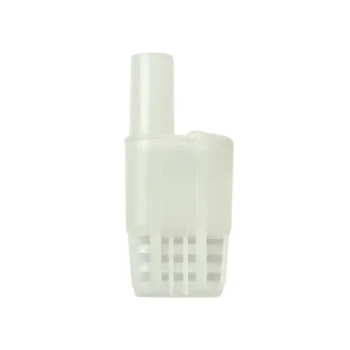
The first method involves purchasing a mated queen from a breeder and introducing her to the queenless split. This is often the fastest way to restore the colony to a queen-right status. By introducing an already-mated queen, you significantly reduce the time the colony spends without laying capability.
Reliance on External Availability
This option is strictly limited by the market. You can only utilize this method when commercial breeders have queens available for sale. During early spring or late autumn, supply may be non-existent, making this option unviable regardless of your budget.
Option 2: Natural Requeening
Leveraging Internal Resources
The second method allows the colony to resolve the issue biologically. If the split contains the necessary resources—specifically young larvae or eggs—the worker bees can construct queen cells to raise a replacement. This method mimics the natural reproductive swarm process but utilizes the resources left in the split.
The Critical Role of Drones
For this method to succeed, raising a virgin queen is not enough; she must successfully mate. This process is entirely dependent on the presence of mature drones (male bees) in the area. If the split is performed too early or too late in the season when drones are absent, the virgin queen cannot mate, and the colony will fail.
Understanding the Trade-offs
Seasonal Limitations apply to Both
Neither method acts as a universal solution throughout the entire year. Caged queens are subject to the breeding schedules of suppliers, while natural requeening is subject to the biological calendar of the local bee population.
Assessing Colony Capability
Natural requeening carries a higher risk of failure than introducing a known, mated queen. It requires the colony to have the specific "ability to raise a new queen," meaning they must be healthy enough to feed the larvae and populous enough to incubate the cells. If the colony is weak or lacks appropriate genetic material, natural requeening may result in a non-viable colony.
Making the Right Choice for Your Goal
To select the best method for your specific situation, evaluate your resources and the current season.
- If your primary focus is speed and reliability: Purchase a caged queen, provided the split occurs during a time when breeders have stock available.
- If your primary focus is cost-savings or utilizing local genetics: Allow the colony to requeen naturally, but only if you have confirmed that mature drones are flying in your area.
Successful splitting requires aligning your management strategy with the seasonal realities of the apiary.
Summary Table:
| Feature | Introducing a Caged Queen | Natural Requeening |
|---|---|---|
| Speed | Fast (Immediate stabilization) | Slow (Requires development & mating) |
| Cost | Financial investment required | Minimal (Uses colony resources) |
| Availability | Dependent on commercial breeders | Dependent on drones and larvae |
| Success Rate | High (Pre-mated queen) | Variable (Climate & drone dependent) |
| Genetics | Controlled by breeder | Local genetics preserved |
Scaling Your Beekeeping Operation? HONESTBEE Has You Covered!
Whether you are a commercial apiary manager or a wholesale distributor, HONESTBEE provides the professional-grade tools needed to manage colony splits and queen rearing at scale. From specialized queen-rearing kits and hive-making machinery to a full spectrum of beekeeping consumables, our comprehensive portfolio is designed to enhance your efficiency and yield.
Don't let seasonal challenges hinder your growth. Contact HONESTBEE today to discover how our wholesale beekeeping equipment and industrial machinery can streamline your operations and deliver superior value to your business.
Related Products
- Professional Queen Cage with Sliding Gate and Feeder Plug
- Professional Queen Bee Introduction and Transport Cage
- Classic Wooden and Mesh California Queen Cage
- Professional Multi-Compartment Queen Cage with Sliding Lid
- Multi-Function Queen Roller Cage and Catcher
People Also Ask
- Why are specialized queen bee cages used for the banking of mated queen bees? Maximize Commercial Apiary Storage Efficiency
- What is the mechanism of action for using temporary queen bee cages? Master Successful Queen Introduction
- How is a queen bee released from a queen cage? Ensure Safe Colony Integration & Hive Success
- What is the step-by-step process for installing a queen bee's cage onto a frame? Ensure Hive Acceptance Safely
- What technical precaution must be taken regarding the mesh or grill side of a queen bee cage? Ensure Queen Survival