Open feeding honeybees during a nectar dearth is a high-risk practice that creates significant apiary management issues. While the intent is to provide nutrition 200 to 300 feet away from the hives, this method inadvertently triggers a "feeding frenzy" that agitates the bees and dramatically increases the risk of stronger colonies robbing weaker ones.
Core Insight: Open feeding acts as a scent beacon that attracts not only your own bees but also competing insects and potential robbers. Once the external feeder is empty, the agitated bees do not simply return to foraging; they often turn their attention to nearby vulnerable colonies, leading to aggressive robbing and hive loss.
The Mechanism of Induced Robbing
The Feeding Frenzy
Open feeding relies on placing large amounts of syrup in a communal area. During a dearth, when natural nectar is scarce, the scent of this syrup acts as a powerful beacon.
This triggers an immediate, intense reaction within the apiary. The easy access to food creates a frenzy, causing significant distress and defensive aggression among the colonies.
The Post-Depletion Danger
The most severe negative impact occurs the moment the open feeder runs dry. The bees involved in the frenzy remain highly agitated and focused on resource acquisition.
With the easy source gone, these energized foragers do not return to normal behavior. Instead, they begin searching the immediate area for the closest alternative food source.
Targeting Vulnerable Colonies
Unfortunately, the "closest alternative source" is often the honey stores of your own weaker hives.
Because the bees are already in a robbing mindset, they will attempt to breach the defenses of smaller colonies. This can lead to the total collapse of weaker hives that might have survived otherwise.
Operational Inefficiencies and Risks
Loss of Nutritional Control
Open feeding is inherently inefficient because it is indiscriminate. You cannot control which colonies consume the syrup.
Stronger colonies, which likely have sufficient stores, will dominate the feeder. Meanwhile, the weaker colonies that actually require the supplemental nutrition are often out-competed and fail to get the resources they need.
Attracting Competing Pests
The scent of open syrup does not stay within your apiary's boundaries. It attracts a high volume of competing insects, such as wasps, yellow jackets, and bees from neighboring apiaries.
This external pressure forces your colonies to expend energy on defense rather than hive maintenance, further stressing the bees during a period of resource scarcity.
Understanding the Trade-offs
The Illusion of Convenience
Beekeepers often choose open feeding to save time, avoiding the need to open individual hives to install internal feeders.
However, the time saved is often negated by the management crisis it creates. Dealing with a robbing frenzy or the loss of a colony is far more labor-intensive than filling internal frame or top feeders.
The Organic Consideration
If you are managing hives in an area requiring supplemental feeding to survive a dearth, the quality of feed matters as much as the method.
While this article warns against the method of open feeding, remember that if you must feed, you should use organically acceptable feeds (like organic sugar water) to maintain hive health, especially if avoiding synthetic supplements.
Making the Right Choice for Your Goal
To safely manage your apiary during a nectar dearth, consider the following approach:
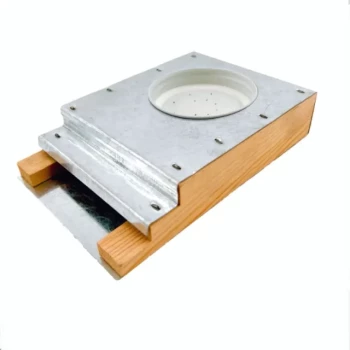
- If your primary focus is protecting weak colonies: Use internal feeders (such as entrance or frame feeders) to ensure the specific hive gets the nutrition without alerting robbers.
- If your primary focus is preventing apiary aggression: Avoid exposing any syrup scent to the open air; fill internal feeders late in the day when foraging activity is low.
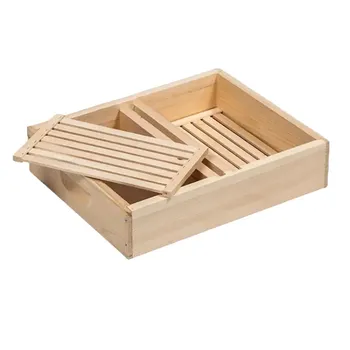
- If your primary focus is efficiency: Utilize top feeders that hold large volumes of syrup but are enclosed within the hive bodies to prevent a frenzy.
Feeding indiscriminately leads to chaos; feeding internally leads to control.
Summary Table:
| Impact Category | Negative Consequence | Why It Happens |
|---|---|---|
| Colony Safety | Induced Robbing | Foragers shift focus to weaker hives once the external feeder is empty. |
| Resource Distribution | Uneven Nutrition | Stronger colonies dominate the feeder while weaker hives remain underfed. |
| Pest Management | External Attraction | Scent attracts wasps, yellow jackets, and neighboring bees to your apiary. |
| Efficiency | Management Crisis | Time saved in labor is lost to managing colony aggression and hive losses. |
| Bee Behavior | Increased Aggression | High-competition feeding triggers a frenzy that stresses the entire apiary. |
Secure Your Apiary's Success with HONESTBEE
Don't let inefficient feeding methods jeopardize your colonies. HONESTBEE empowers commercial apiaries and distributors with the professional-grade tools needed for precision management. From high-capacity internal top feeders that prevent robbing to advanced honey-filling machines and hive-making equipment, we provide the full spectrum of beekeeping hardware and essential consumables.
Ready to scale your operation and protect your hives? Contact HONESTBEE Today to access our comprehensive wholesale catalog and expert support for your commercial beekeeping needs.
Related Products
- HONESTBEE Round Hive Top Bee Feeder for Syrup
- HONESTBEE Entrance Bee Feeder Efficient Hive Front Liquid Feeding Solution for Beekeeping
- HONESTBEE Entrance Bee Feeder Professional Hive Nutrition Solution for Beekeeping
- HONESTBEE Square Top Hive Bee Feeder Top Bee Feeder
- HONESTBEE Professional Entrance Bee Feeder Hive Nutrition Solution
People Also Ask
- What can the round hive top feeder be used for? A Guide to Efficient, Safe Bee Feeding
- What types of hive boxes is the round hive top feeder compatible with? Universal Fit for 8 & 10-Frame Langstroth Hives
- What is the capacity of the round hive top feeder for syrup and pollen? A Guide to Targeted Apiary Support
- What types of feed can be used with the round hive top feeder? Versatile Feeding for Optimal Apiary Health
- How do you use a top feeder for bees? Expert Guide to Installation and High-Volume Hive Feeding