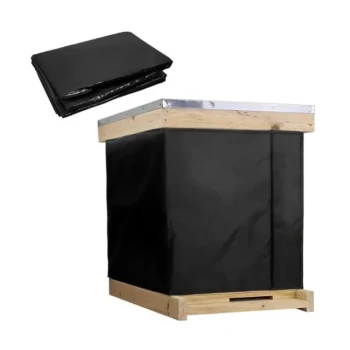
The primary benefit of insulating a beehive is thermal efficiency, which directly correlates to colony survival. By creating a warmer interior environment, insulation reduces the amount of energy bees must expend to generate heat. This conservation of energy leads to lower honey consumption during winter, significantly reducing the risk of starvation and leaving a larger surplus of honey for harvest in the spring.
Core Takeaway Insulation acts as a resource multiplier: by retaining the heat the colony generates, you allow the bees to consume less fuel (honey). This shifts the colony's winter strategy from desperate survival to efficient resource conservation.
The Mechanics of Colony Survival
Reducing Metabolic Stress
Bees generate heat by vibrating their flight muscles, a process that requires significant energy. Insulation creates a thermal barrier that retains this heat within the hive. This means the colony does not have to work as hard to maintain the necessary cluster temperature, preserving the physiological health of individual bees.
Preventing Starvation
The fuel for heat generation is stored honey. In an uninsulated hive, bees burn through reserves rapidly to fight the cold. By stabilizing the internal temperature, insulation drastically slows the consumption rate of winter stores, protecting colonies—especially those with light reserves—from running out of food before spring.
Economic and Growth Advantages
Increasing Spring Honey Yields
There is a direct economic benefit to the beekeeper. Because the colony consumes less honey to stay warm, more honey remains in the hive once winter passes. This results in a larger quantity of honey available for harvesting compared to uninsulated hives.
Promoting Early Brood Rearing
Colonies need to maintain a brood nest temperature of roughly 90-95°F (32-35°C) to raise new bees. A well-insulated hive is less susceptible to late-season cold snaps. This stability encourages the queen to begin laying earlier, leading to a stronger workforce ready for the first nectar flow.
Moisture and Temperature Stabilization
Preventing "Rain" Inside the Hive
One of the greatest winter threats is condensation. When warm, moist air rising from the cluster hits a cold inner cover, it condenses and drips freezing water back onto the bees, which is often fatal. Insulation keeps the interior surfaces warmer, preventing condensation from forming directly above the cluster.
Buffering Temperature Swings
Insulation shields the colony from abrupt external temperature fluctuations. Whether using foam boards, wraps, or double-walled techno-polymer hives, the goal is to dampen the shock of extreme cold. This allows the cluster to expand and contract more gradually, reducing stress on the colony.
Understanding the Trade-offs: The Ventilation Balance
The Danger of Over-Sealing
While heat retention is the goal, ventilation is non-negotiable. A common pitfall is sealing the hive so tightly that moisture cannot escape. This creates a damp, mildew-prone environment that is more dangerous than the cold itself.
Essential Airflow
You must ensure there are small openings (usually at the top and bottom) to create a "chimney effect." This allows moist air to exit while insulation retains the heat. Insulation without ventilation is a death trap for bees.
Making the Right Choice for Your Goal
Deciding how heavily to insulate depends on your specific objectives and local climate.
- If your primary focus is Colony Survival: Prioritize insulation for hives with low honey reserves, as the reduced energy demand is the single best way to prevent starvation.
- If your primary focus is Honey Production: Insulate standard colonies to maximize the leftover surplus, ensuring a larger harvest and a faster spring buildup.
Ultimately, insulation provides the colony with a caloric advantage, converting stored honey into survival rather than waste heat.
Summary Table:
| Benefit | Impact on Colony | Practical Result |
|---|---|---|
| Thermal Efficiency | Reduces metabolic stress on bees | Lower honey consumption & reduced starvation risk |
| Moisture Control | Prevents internal condensation | Protects bees from freezing drips and mold |
| Spring Growth | Stabilizes brood nest temperature | Earlier laying by the queen and faster spring buildup |
| Economic Gain | Preserves winter food stores | Higher honey yields available for spring harvest |
Maximize Your Apiary’s Winter Survival with HONESTBEE
Protecting your colonies requires more than just insulation; it requires the right tools and high-quality equipment designed for commercial success. At HONESTBEE, we specialize in supporting commercial apiaries and distributors with a comprehensive range of professional beekeeping solutions.
From advanced hive-making and honey-filling machinery to essential industry consumables and honey-themed cultural merchandise, we provide the hardware and expertise needed to scale your operations. Ensure your bees thrive through the winter and your business thrives in the spring.
Ready to upgrade your equipment? Contact us today to explore our wholesale offerings!
Related Products
- Professional Insulated Plastic Bee Hives
- Professional Insulated Winter Hive Wrap for Beekeeping
- Inner Beehive Cover for Beekeeping Bee Hive Inner Cover
- Stainless Steel Round Beehive Air Vents for Ventilation
- Metal Hive Feet Bee Hive Stand for Ant Protection
People Also Ask
- What are the advantages of plastic bee hives? Boost Efficiency & Durability for Your Apiary
- Are plastic bee hives any good? Unlock Durability & Efficiency for Your Apiary
- How do plastic bee hives compare to wooden hives in handling? Reduce Strain & Boost Efficiency
- Are plastic bee hives good? Durable, Low-Maintenance Hives for Modern Apiaries
- What are the disadvantages of plastic beehives? Key Operational and Environmental Risks Exposed