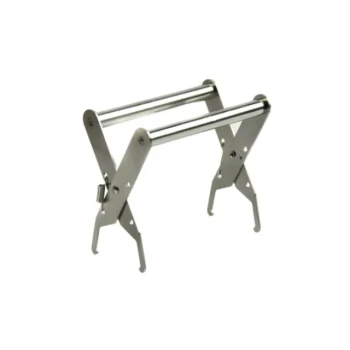
Beehive stands function as the foundational infrastructure of a modern apiary, primarily designed to elevate hives off the ground to isolate colonies from environmental dampness and crawling pests. By creating a physical gap between the soil and the colony, these stands secure the hive against corrosion while simultaneously positioning the structure at an accessible height for ergonomic management and inspection.
Core Takeaway Beehive stands are not merely structural supports; they are critical sanitation and management tools. They preserve colony health by severing the link between the hive and ground-based moisture or pests, while enabling the standardization required for efficient, routine human intervention.
Protecting Colony Integrity
The primary role of the beehive stand is defensive. It serves as a passive barrier that protects the physical structure of the hive and the biological integrity of the colony within.
Preventing Structural Decay
Ground contact is the enemy of hive longevity. Direct contact with the soil exposes the hive material to ground moisture, which accelerates rot and corrosion.
By elevating the hive, the stand ensures the base remains dry. This significantly extends the lifespan of the equipment and prevents water ingress that could compromise the colony’s internal climate.
Blocking Crawling Predators
A hive sitting on the ground is an open target for crawling pests. The stand creates a vertical buffer zone that complicates access for invaders.
This elevation is effective against common threats like ants, which can overrun a weak colony. As noted in advanced apiary setups, stands are often the first line of defense against larger predators like honey badgers, specifically when combined with other physical barriers.
Enhancing Operational Efficiency
Beyond protection, beehive stands are essential for the operational workflow of the beekeeper. They transform the apiary from a collection of boxes into a managed facility.
Facilitating Routine Inspections
Colony health relies on frequent internal and external assessments. Stands position the hive at a height that allows for convenient access to the hive's interior.
This ergonomic advantage encourages the beekeeper to perform necessary checks on brood health and food reserves more often. Without the physical strain of bending to the ground or climbing trees (as seen in traditional methods), management becomes consistent and thorough.
Enabling Standardized Maintenance
The use of professional stands acts as a physical prerequisite for modern colony turnover. Unlike traditional tree-hanging methods, stands facilitate standardized maintenance.
This fixed positioning allows for efficient harvesting operations and predictable workflows. It stabilizes the environment, ensuring that complex tasks—such as artificial swarming or graded honey harvesting—can be performed without risking the physical stability of the colony.
Understanding the Limitations
While beehive stands are critical, they are rarely a standalone solution for all apiary threats. It is important to recognize where their function ends and other systems must begin.
The Necessity of Supplemental Barriers
A stand elevates the hive, but it does not make it invincible. For aggressive predators like honey badgers, a stand alone may be insufficient.
Effective protection often requires a layered defense strategy. As indicated in professional setups, stands function best when combined with physical barriers or industrial-grade fencing to create a true safety protection zone around the apiary.
Stability vs. Mobility
Fixed stands establish a permanent or semi-permanent apiary site. This promotes stability but requires careful planning regarding location.
Once a stand system is implemented to facilitate mechanized production or standardized harvesting, the apiary loses the fluidity of nomadic beekeeping. The choice of stand implies a commitment to a fixed apiary model, prioritizing high-efficiency production over rapid mobility.
Making the Right Choice for Your Goals
The type of stand you implement should align with the specific threats in your region and your operational scale.
- If your primary focus is Colony Health and Longevity: Prioritize stands that offer maximum elevation to completely eliminate moisture transfer and reduce ant access.
- If your primary focus is Operational Efficiency: Select stands designed for ergonomic height to facilitate frequent inspections and the use of mechanized harvesting equipment.
Ultimately, a beehive stand is an investment in stability—securing the hive against the earth below so the beekeeper can focus on the colony within.
Summary Table:
| Function Category | Primary Benefit | Key Operational Value |
|---|---|---|
| Structural Protection | Prevents ground moisture & rot | Extends hive equipment lifespan |
| Pest Management | Blocks ants & crawling predators | Maintains colony biological integrity |
| Ergonomics | Optimized inspection height | Facilitates frequent health checks |
| Standardization | Stable, fixed positioning | Enables mechanized & efficient harvesting |
Scale Your Apiary Operations with HONESTBEE
Maximize your honey production and equipment longevity with professional-grade infrastructure. HONESTBEE provides commercial apiaries and distributors with high-quality beehive stands, specialized hive-making machinery, and a full spectrum of beekeeping tools designed for industrial efficiency.
Whether you are looking for durable hardware or honey-themed cultural merchandise to expand your portfolio, we offer comprehensive wholesale solutions tailored to your needs. Contact us today to discover how our premium equipment and industry consumables can optimize your apiary’s performance!
References
- Desta Gemedi, Tesfaye Alemu Aredo. Assessment of Beekeeping Practices in Selected Urban Areas of East Shewa and West Arsi Zones of Oromia, Ethiopia. DOI: 10.11648/j.aje.20250902.11
This article is also based on technical information from HonestBee Knowledge Base .
Related Products
- Metal Hive Feet Bee Hive Stand for Ant Protection
- Metal Bee Hive Stand Bee Box Stand for Beekeeping
- Plastic Bee Hive Stand for Beekeeping
- Professional Ant-Proof Beehive Stand with Integrated Moat for Beekeeping
- Wooden Bee Hive Frames for Beekeeping and Wholesale
People Also Ask
- What are the benefits of elevating a bee hive with a stand or base? Protect Your Colony and Your Back
- How does a beehive stand protect against predators and pests? Essential Strategies for Colony Security
- How should the height of a beehive stand be determined? Find Your Ergonomic Sweet Spot
- What to stand a beehive on? The Best Foundation for a Healthy, Manageable Apiary
- How tall should a beehive stand be? Achieve Optimal Hive Health & Beekeeper Comfort