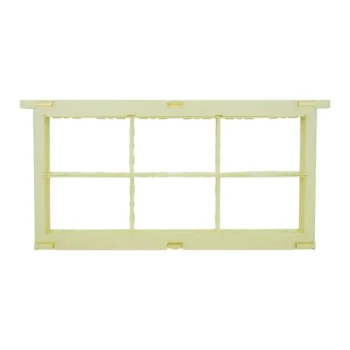
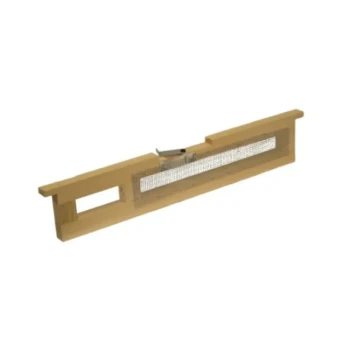
Beehives and frame systems function as sophisticated biological reaction vessels. Beyond serving as a simple habitat, they provide the controlled physical environment necessary for the colony to actively dehydrate nectar and convert it into mature honey. This infrastructure supports the wing-fanning airflow required to lower moisture content to legal levels while aligning the entire process with strict food safety and quality standards.
The modern beehive is not just a storage box; it is an active production facility designed to harmonize the biological needs of the colony with industrial efficiency. Its core value lies in standardizing the maturation process and enabling mechanical extraction without destroying the production infrastructure.
The Hive as a Processing Unit
To understand high-quality honey production, one must view the hive as a processing plant rather than a passive shelter. The internal architecture is critical for converting raw nectar into a stable, marketable product.
Facilitating Dehydration and Maturation
The primary reference highlights the hive's role as a "reaction vessel." Bees introduce enzymes to nectar and physically fan their wings to generate airflow.
The hive's structure channels this air to evaporate excess moisture efficiently. This process transforms volatile nectar into mature honey that meets the specific moisture content requirements mandated by food safety laws.
Environmental Micro-Control
High-quality production requires a stable internal micro-environment. Modern hive systems, particularly those made of wood, utilize scientific structural designs to regulate temperature and humidity.
Wooden components provide essential thermal insulation against harsh outdoor conditions. This stability reduces stress on the colony, allowing energy to be directed toward honey production rather than climate control.
Isolating Contaminants
A well-constructed hive acts as a barrier against external impurities. By physically isolating the production area, the system helps ensure the honey remains organic and free from environmental contaminants.
The Strategic Function of Movable Frames
The introduction of the movable frame system is the defining feature of modern apiculture. It shifts the focus from simple collection to active management and standardization.
Enabling Mechanical Extraction
Standardized frames are the foundation of large-scale production. They are designed to be compatible with centrifugal honey extraction machinery.
This compatibility allows honey to be spun out without destroying the wax honeycomb. Preserving the comb significantly increases yield, as bees do not have to consume honey energy to rebuild their infrastructure after every harvest.
Supporting Colony Health and Inspection
The removable nature of the frames allows for thorough, routine inspections. Beekeepers can physically lift out sections of the hive to monitor for pests, such as Varroa mites, or check the queen's laying pattern.
This accessibility allows for timely interventions regarding disease control. maintaining a healthy workforce is a prerequisite for consistent, high-quality honey output.
Understanding the Trade-offs
While standardized hives and frames optimize production, they introduce specific management challenges that must be acknowledged.
Maintenance and Durability
Wooden hive components are durable but subject to degradation from outdoor elements. They require regular maintenance to prevent rot or structural gaps that could compromise insulation.
Failure to maintain the physical structure can lead to thermal instability. This forces the colony to divert energy away from honey maturation to survival heating or cooling.
Risks of Interchangeability
The ability to move frames between hives is a major logistical advantage, but it carries a biological risk. Without rigorous monitoring, diseases or pests can be rapidly spread across an entire apiary through the exchange of infected frames.
Making the Right Choice for Your Goal
Selecting the right hive configuration depends on balancing production scale with colony welfare.
- If your primary focus is Industrial Scalability: Prioritize standardized, interchangeable frames that are strictly compatible with centrifugal extraction equipment to maximize yield and speed.
- If your primary focus is Organic Quality and Health: Emphasize hive materials with superior thermal insulation and structural integrity to minimize bee stress and exclude environmental impurities.
The most effective production system is one that maintains the hive as a precise dehydration vessel while allowing the beekeeper to intervene minimally but effectively.
Summary Table:
| Feature | Primary Function | Impact on Honey Quality |
|---|---|---|
| Structural Design | Micro-environment & Temperature Control | Ensures stable maturation and reduces colony stress. |
| Airflow Channels | Moisture Dehydration | Lowers water content to meet legal food safety standards. |
| Movable Frames | Mechanical Compatibility | Allows centrifugal extraction without destroying the honeycomb. |
| Isolated Architecture | Contaminant Barrier | Keeps honey organic and free from external impurities. |
| Removable Sections | Disease & Health Monitoring | Maintains a healthy workforce for consistent production. |
Elevate Your Honey Production with HONESTBEE
At HONESTBEE, we understand that high-quality honey starts with precision-engineered infrastructure. Whether you are a commercial apiary scaling up or a distributor seeking reliable supplies, we offer the full spectrum of beekeeping tools and machinery designed for efficiency and durability.
Our Value to You:
- Comprehensive Wholesale Range: From thermal-insulated wooden hives to standardized frame systems.
- Advanced Machinery: High-performance honey-filling and hive-making machines to automate your growth.
- Industry Consumables: A wide array of essential supplies and honey-themed cultural merchandise.
Ready to transform your apiary into a sophisticated production facility? Contact us today to discuss your wholesale needs!
References
- Antonio García Jiménez. La protección jurídica y administrativa de las abejas. DOI: 10.56398/ajacieda.00116
This article is also based on technical information from HonestBee Knowledge Base .
Related Products
- Wooden Bee Hive Frames for Beekeeping and Wholesale
- Assembled Wooden Bee Frames with Plastic Foundation for Durability and Convenience by HONESTBEE
- Plastic Bee Frame Beekeeping Hive Frames for Wholesale
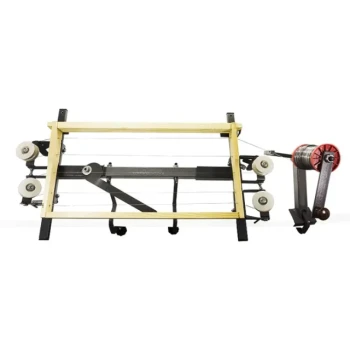
- Professional Bee Frame Wiring Tool with Integrated Tensioning System by HONESTBEE
- HONESTBEE Wired and Assembled Wooden Bee Frames Foundation for a Thriving Hive
People Also Ask
- How do wooden and plastic hive frames compare in terms of durability? Wood vs. Plastic Longevity & Repairability
- How does balancing the number of frames impact hive productivity? Optimize Your Apiary's Biological Output
- What are the main considerations when choosing between wooden and plastic bee hive frames? Optimize Your Apiary's Efficiency
- How should beehive frames be maintained to prolong their lifespan? 5 Pro Tips for Durable Beekeeping Equipment
- Can I reuse old beehive frames? Save Money and Boost Hive Productivity