The primary risks of wild honeybee swarms in residential areas fall into two categories: direct public nuisance concerns and long-term biological hazards. When colonies from managed apiaries swarm uncontrollably, they can physically infest nearby properties and act as vectors for spreading disease within the broader bee population.
The dual threat of swarming involves immediate friction with neighbors when bees occupy structures like sheds or attics, and a delayed ecological cost where escaped bees spread parasites that may eventually re-infect managed hives with greater virulence.
Public Nuisance and Safety Concerns
Encroachment on Public Spaces
When a colony swarms, it seeks a location to cluster. In residential zones, this often results in bees settling in public spaces such as playgrounds. This creates an immediate safety concern for families and can lead to panic or liability issues for the community.
Infestation of Private Property
Swarms look for sheltered cavities to establish new hives. They frequently select neighboring structures, including sheds and attics. Once established, these colonies become a nuisance to residents and often require professional removal to repair the property.
Biological and Ecological Implications
Introduction of Pathogens
Swarms act as mobile carriers for the health issues present in the original apiary. Escaped bees can introduce parasites and diseases into the local wild bee population. This transmission compromises the health of native pollinators that might otherwise remain isolated from apiary-specific ailments.
The Feedback Loop of Disease
The biological risk is not a one-way street. Diseases introduced to the wild can mutate or proliferate unchecked. These pathogens may eventually return to the original apiary in a more virulent form, causing a cycle of infection that is difficult to manage.
The Hidden Cost of Neglect
The "Boomerang" Effect
A critical pitfall in beekeeping is viewing a lost swarm simply as a loss of bees or honey production. The deeper reality is that an unmanaged swarm creates a reservoir of disease in the immediate environment. By failing to control swarming, a beekeeper unwittingly creates a biological hazard that can bounce back to destroy their remaining managed colonies.
Making the Right Choice for Your Apiary
To mitigate these risks, beekeepers must prioritize swarm management as both a community responsibility and a health protocol.
- If your primary focus is community relations: Prioritize swarm prevention techniques to ensure your bees do not colonize neighbors' attics or public recreational areas.
- If your primary focus is colony longevity: Aggressively manage swarming to prevent creating a local reservoir of parasites that could re-infect your apiary with higher virulence.
Effective swarm control protects your neighbors' property today and your bees' health tomorrow.
Summary Table:
| Risk Category | Specific Impact | Consequence |
|---|---|---|
| Public Safety | Encroachment on public spaces | Liability risks and danger to families in playgrounds. |
| Property Damage | Infestation of private structures | High costs for professional removal from attics/sheds. |
| Biological Hazard | Pathogen & parasite transmission | Compromised health of native pollinators. |
| Apiary Health | The "Boomerang" Effect | Escaped diseases return to managed hives with higher virulence. |
Secure Your Apiary & Community with HONESTBEE
Don't let unmanaged swarms damage your reputation or your colony's health. At HONESTBEE, we empower commercial apiaries and distributors with the professional-grade tools needed for effective swarm prevention and honey production.
From advanced hive-making machinery to prevent structural failures to a comprehensive range of beekeeping tools and consumables, we provide the hardware you need to maintain control. Partner with us to access a full spectrum of wholesale equipment designed for large-scale success.
Contact HONESTBEE Today to optimize your operations and protect your investment!
Related Products
- HONESTBEE Entrance Bee Feeder Professional Hive Nutrition Solution for Beekeeping
- Langstroth Honey Bee Box Hive Boxes for Different Depths
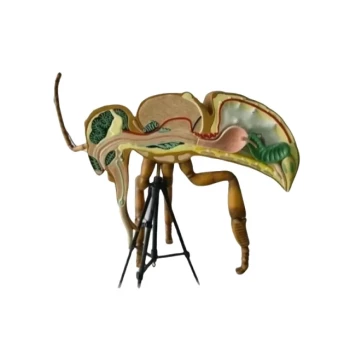
- HONESTBEE Anatomy Bee Model Detailed Anatomical Display for Education and Study
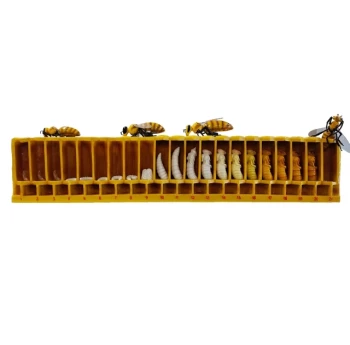
- Honey Bee Lifecycle Model: A Detailed Honeycomb Display of Bee Development
- HONESTBEE Professional Hive Top Bee Feeder Feeding Solution
People Also Ask
- What types of bee feeders are available for beginners? Start with the Simple Entrance Feeder
- What are the advantages and disadvantages of using an entrance feeder for bees? Balance Convenience and Hive Security.
- What is a bee entrance feeder and what are its drawbacks? Essential Guide to Hive Security and Feeding Efficiency
- How does a bee entrance feeder work? A Simple Guide to Convenient Hive Feeding
- How to make an entrance feeder for bees? A DIY Guide for Safe & Effective Feeding