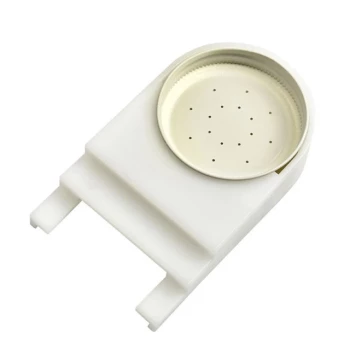
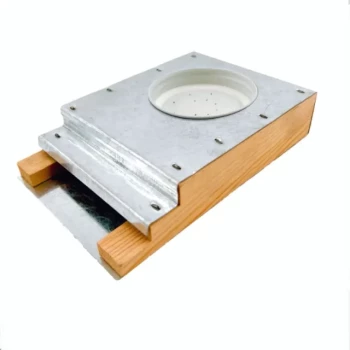
Division board feeders provide a high-volume, secure method for feeding bees directly inside the hive. Also known as frame feeders, these devices replace a standard brood frame to hold syrup internally, offering protection against robbing and keeping feed accessible in cooler weather. However, they come with distinct management challenges, including a high risk of bee drowning, the loss of brood rearing space, and potential mechanical issues like bulging or leaking.
Core Takeaway Division board feeders are best suited for rapid, high-volume feeding during spring and fall because they keep syrup warm and accessible. However, they require careful monitoring to prevent massive bee fatalities and equipment malfunctions that can disrupt the spacing within your hive.
The Strategic Advantages
Enhanced Security Against Robbing
Because the feeder is located completely inside the hive body, it minimizes the scent of syrup released to the outside world.
This internal placement significantly reduces the likelihood of sparking a robbing frenzy from neighboring colonies or wasps, which is a common risk with external feeders.
Superior Accessibility in Cool Weather
Bees often refuse to break cluster to access cold syrup in external feeders.
Since division board feeders sit within the brood nest, the ambient hive heat keeps the syrup warm, allowing bees to access the feed even when outside temperatures drop.
High Capacity for Rapid Buildup
These feeders typically hold a significant amount of syrup (often one to two gallons).
This large volume facilitates rapid consumption, making them ideal for the heavy feeding required during peak demand periods in the spring and fall.
Operational Challenges and Risks
The Drowning Hazard
The most significant disadvantage is the tendency for bees to drown in the syrup.
Even models equipped with safety features like rough sides, ladders, or floats often fail to prevent fatalities completely.
Disruption of the Colony
Unlike top or entrance feeders, you must open the hive to check levels or refill a division board feeder.
This exposes the colony to the elements and disturbs the bees, which is particularly problematic during cold snaps or inclement weather.
Reduction of Hive Space
Inserting this feeder requires removing one or two frames from the hive body.
This reduces the total area available for the queen to lay eggs (brood rearing) and for the colony to store pollen and honey.
Understanding the Trade-offs
Structural Instability and Bulging
A common technical failure in plastic models is widening or bulging when filled with heavy syrup.
This distortion creates a tight fit that complicates the movement of adjacent frames, making hive inspections difficult and potentially crushing bees.
Maintenance Headaches
If the feeder is allowed to go empty, bees will frequently build comb inside the container or glue the floats down with propolis.
Additionally, some glued versions of these feeders are prone to leaking, which can create a mess inside the hive and attract pests.
Making the Right Choice for Your Goal
Before installing a division board feeder, assess your current colony needs against the potential management overhead.
- If your primary focus is rapid colony growth: These feeders are excellent for delivering large volumes of feed quickly during the spring buildup.
- If your primary focus is minimizing hive disturbance: You may want to avoid this style, as refilling it requires opening the hive and disrupting the internal temperature.
- If your primary focus is equipment longevity: Be wary of cheaper plastic models; inspect them for potential bulging or leaks before every use.
Successful use of division board feeders relies on keeping them full to prevent comb building and using extra floats to minimize drowning.
Summary Table:
| Feature | Pros (Advantages) | Cons (Disadvantages) |
|---|---|---|
| Placement | Internal location prevents robbing and keeps syrup warm. | Requires opening the hive to refill, causing disruption. |
| Capacity | High-volume (1-2 gallons) for rapid colony buildup. | Replaces 1-2 brood frames, reducing space for egg-laying. |
| Bee Safety | Accessibility in cool weather even when clustered. | High risk of bee drowning without proper floats or ladders. |
| Durability | Long-lasting materials available for commercial use. | Plastic models may bulge or leak, causing mechanical issues. |
Scale Your Apiary Efficiency with HONESTBEE
At HONESTBEE, we understand that commercial success depends on the right tools. Whether you are a large-scale apiary or a regional distributor, we provide a comprehensive range of beekeeping machinery and essential consumables designed for durability and performance. From advanced hive-making and honey-filling machines to specialized hardware, our portfolio is built to support your growth.
Looking for high-quality wholesale beekeeping equipment? Contact us today to discover how HONESTBEE's professional-grade solutions can streamline your operations and maximize your colony productivity.
Related Products
- Classic Boardman Entrance Bee Feeder Hive Front Feeding Solution
- Boardman Entrance Bee Feeder Durable Galvanized Steel and Wood Construction for Beekeeping
- In-Hive Dual Compartment Frame Bee Feeder for Targeted Colony Nutrition
- HONESTBEE Entrance Bee Feeder Efficient Hive Front Liquid Feeding Solution for Beekeeping
- Professional Hive Front Entrance Bee Feeder
People Also Ask
- What are the advantages and disadvantages of using an entrance feeder for bees? Balance Convenience and Hive Security.
- What types of bee feeders are available for beginners? Start with the Simple Entrance Feeder
- How do you make an entrance feeder for bees? A Guide to Safe & Effective Hive Feeding
- What is a recommended alternative use for an entrance feeder instead of providing sugar syrup? - Water Feeding Tips
- What are the advantages and disadvantages of an entrance feeder? Optimize Your Apiary's Feeding Strategy