To ensure the longevity of your wooden ware and the health of your colony, you must paint only the exterior surfaces of the hive using light-colored exterior paint. The most effective approach is to use white, blue, yellow, or green to reflect sunlight, while strictly avoiding the interior of the hive and dark colors like black, red, or grey that can cause dangerous overheating.
Core Takeaway While painting is essential for preserving the wood against rot, your choice of color serves a functional purpose for the bees. A light-colored exterior is critical for helping the colony efficiently regulate internal temperature and humidity, whereas painting the interior or using dark shades can actively harm the hive's environment.
Where to Apply Paint (and Where Not To)
The Exterior Shell
You should paint all wooden parts exposed to the elements. This includes the outside faces of hive bodies (brood boxes and honey supers), telescoping covers, hive stands, and bottom boards. Painting these surfaces is the primary defense against weathering and rot.
The Interior Prohibition
Never paint the inside of the hive. The internal surfaces must remain raw wood. Painting the interior exposes the bees to potential chemicals and interferes with the natural moisture absorption of the wood.
The Contact Surfaces
Avoid painting the top and bottom edges of the hive boxes. If you paint these rims, the boxes will likely stick together once placed on top of one another, making future inspections and manipulation difficult.
Color Selection and Thermoregulation
The Superiority of White
White is the standard recommendation for a reason. It offers the best temperature regulation, reflecting sunlight to prevent the hive from becoming an oven during summer months. It is also noted for providing excellent durability and flexibility.
Recommended Alternatives
If you wish to deviate from white, stick to light, cool tones. Blue, yellow, and green are the recommended alternatives. These colors still reflect a significant amount of heat while allowing for aesthetic variety.
Colors to Avoid
You should strictly avoid dark colors such as red, black, and grey. These shades absorb solar radiation, causing heat buildup that forces the colony to expend excessive energy cooling the hive rather than producing honey or caring for the brood.
Reducing "Drift"
Using different color combinations (from the recommended list) on adjacent hives can be functional. It helps bees identify their specific home, reducing drifting, where bees mistakenly enter the wrong colony.
Understanding the Trade-offs: Paint Types
Latex (Water-Based) Paint
This is the most common choice for beekeepers.
- Pros: It is inexpensive, widely available, and breathable. Cleanup is simple with water.
- Cons: Low-quality options may not cover well.
- Recommendation: Use a mid-grade or high-quality exterior latex paint for the best balance of cost and performance.
Oil-Based Paint
- Pros: Offers superior durability and resistance to wear and tear compared to latex.
- Cons: Cleanup is a hassle, requiring solvents like mineral spirits.
- Verdict: If longevity is your only metric, oil is better, but most find the convenience of latex outweighs the durability difference.
Application Tips
Pay special attention to the joints, as these are the first areas to rot. Assemble the equipment before painting and use a roller with a generous nap (1/2-inch or 3/4-inch) to force paint into crevices and handholds.
Making the Right Choice for Your Goal
When finalizing your plan for your apiary, consider these specific adjustments:
- If your primary focus is Colony Health: Prioritize white or very pale colors to maximize heat reflection and minimize stress on the bees during summer.
- If your primary focus is Wood Preservation: Ensure you saturate the end-grain and joints with a high-quality exterior primer and paint, regardless of the base type (oil or latex).
- If your primary focus is Managing Multiple Hives: Use alternating colors (like yellow and blue) on hives placed next to each other to prevent bees from drifting into the wrong colony.
Your goal is to create a dry, temperate envelope for the bees that requires minimal maintenance from you.
Summary Table:
| Feature | Recommendation | Why It Matters |
|---|---|---|
| Exterior Colors | White, Light Blue, Yellow, Green | Reflects sunlight; prevents dangerous overheating. |
| Interior Surfaces | Keep Raw / Never Paint | Prevents chemical exposure; allows natural moisture absorption. |
| Contact Edges | Do Not Paint | Prevents boxes from sticking together during inspections. |
| Paint Type | High-Quality Exterior Latex | Durable, breathable, and easy cleanup with water. |
| Avoid Colors | Black, Red, Dark Grey | Absorbs heat, forcing bees to waste energy cooling the hive. |
Maximize Your Apiary's Efficiency with HONESTBEE
At HONESTBEE, we understand that high-quality gear is the foundation of a successful beekeeping operation. As a dedicated partner to commercial apiaries and global distributors, we provide more than just advice—we deliver the professional-grade tools you need to scale.
Our comprehensive wholesale range includes:
- Durable Woodenware & Specialized Hardware: Built to withstand the elements and provide the perfect temperate envelope for your colonies.
- Advanced Machinery: Streamline your production with our state-of-the-art hive-making and honey-filling machines.
- Full Industry Consumables: Everything from essential beekeeping tools to honey-themed cultural merchandise.
Whether you are stocking a distribution center or managing thousands of colonies, HONESTBEE offers the volume, quality, and expertise to help your business thrive.
Ready to elevate your beekeeping business? Contact us today to discuss your wholesale needs!
Related Products
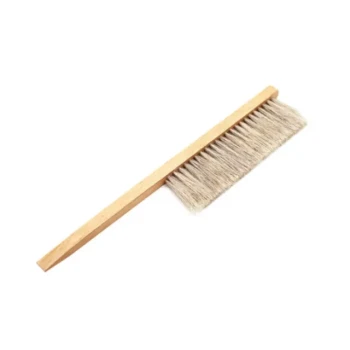
- Wooden Bee Brush with Double-Row Horsehair Bristles
- Wooden Bee Hive Frames for Beekeeping and Wholesale
- Assembled Wooden Bee Frames with Plastic Foundation for Durability and Convenience by HONESTBEE
- Plastic Bee Frame Beekeeping Hive Frames for Wholesale
- Wholesales Dadant Size Wooden Bee Hives for Beekeeping
People Also Ask
- Why is a bee brush necessary when extracting honeybee hive frames that contain larvae? Protect Your Brood and Colony
- What is the correct way to use a bee brush and what actions should be avoided? Master Gentle Hive Management
- What are the specific functions of the bee brush and the sealed sampling bottle? Optimize Your Parasite Sampling.
- What is a bee brush and what is it used for? Master Precision Bee Removal with Gentle Sweeping Techniques
- What is a bee brush used for in beekeeping? Essential Tool for Safe Hive Inspections & Honey Harvesting