Protecting your lower body requires focusing on material density and sealing entry points. For the majority of beekeepers, standard heavy-duty trousers, such as jeans, paired with comfortable agricultural boots provide sufficient protection. The critical safety measure is not purchasing specialized footwear, but ensuring there is absolutely no gap between your pant cuffs and your feet.
While heavy fabrics reduce the likelihood of stings, the mechanics of how you wear your gear define your safety. The primary goal of lower-body protection is to create a seamless barrier that prevents bees from crawling upward inside your clothing.
Strategies for Lower Body Protection
Selecting the Right Trousers
You do not necessarily need a full-body specialized suit for leg protection. Many beekeepers opt for regular heavy-duty pants, with denim jeans being a standard choice.
While these fabrics are tough, they are not impenetrable. You must accept that standard pants offer significant resistance but do not offer complete protection from stings.
The "Climb-Up" Phenomenon
Bees have a natural tendency to crawl upwards, especially when confused or trapped. If a bee finds an opening at your ankle, it will travel up the inside of your pant leg.
This creates a dangerous situation where the bee becomes trapped against your skin. To prevent this, your clothing strategy must focus on eliminating bottom-entry points.
Footwear and Ankle Security
Choosing Practical Footwear
There is no strict requirement to purchase specialized "beekeeping boots." Any comfortable, agricultural-type boot will provide adequate protection for your feet and ankles.
The only hard restriction is on open-toed footwear. Never wear sandals or shoes that expose the skin of the foot, as this leaves you vulnerable to dropped equipment and stings.
Sealing the Ankle Gap
The most common point of failure in beekeeping protective gear is the gap between the boot and the pant leg. You must ensure this gap is non-existent.
The most effective method, according to primary safety practices, is to tuck the bottom of your pants inside your socks. This creates a tight seal that physically blocks bees from entering.
Alternatively, if your pant legs are wide enough, you can pull them down over the tops of your boots. However, this is only effective if the fabric stays in place to prevent bees from crawling under the cuff.
Understanding the Trade-offs
Mobility vs. Impenetrability
Using jeans involves a calculated trade-off. They are readily available and allow for easy movement, but they lack the double-layer mesh or thickness of professional bee suits.
By choosing jeans, you are accepting a slightly higher risk of stings in exchange for convenience and lower cost.
Specialized Gear vs. General Utility
While specialized beekeeping boots exist, they are often an unnecessary expense for hobbyists.
Standard work boots are versatile and cost-effective, but they rely entirely on your discipline in tucking your pants or securing your cuffs. Specialized boots may offer integrated features to seal gaps, reducing the mental load of checking your gear.
Making the Right Choice for Your Goal
- If your primary focus is cost-effectiveness: Utilize heavy-duty jeans and existing agricultural work boots, ensuring you meticulously tuck your pant legs into your socks.
- If your primary focus is eliminating risk: Invest in specialized boots or a full suit that covers the ankles to remove the variable of clothing gaps entirely.
Regardless of your gear choice, the safety of your lower body ultimately depends on verifying your ankle seal before approaching the hive.
Summary Table:
| Feature | Recommended Practice | Key Benefit |
|---|---|---|
| Trousers | Heavy-duty denim or thick fabrics | Provides resistance and durability while remaining cost-effective |
| Footwear | Closed-toe agricultural or work boots | Protects feet from stings and heavy equipment; prevents injuries |
| Sealing Method | Tuck pant cuffs into socks or boots | Eliminates the primary entry point for bees crawling upward |
| Safety Focus | Eliminate gaps at the ankle | Ensures a seamless barrier even if specialized gear is not used |
Elevate Your Apiary Safety with HONESTBEE
At HONESTBEE, we understand that professional beekeepers and distributors require more than just advice—they need reliable, high-performance equipment. Whether you are managing a large-scale commercial operation or supplying the industry, our comprehensive wholesale range has you covered.
Our Value to You:
- Full Spectrum Supply: From specialized hive-making and honey-filling machinery to a wide array of essential consumables.
- Quality Protective Gear: We offer professional-grade tools designed to meet the rigorous demands of the industry.
- Growth Focused: Our honey-themed cultural merchandise and specialized hardware help you diversify and scale your business.
Ready to secure the best tools for your honey production? Contact us today to discuss our wholesale offerings and discover how HONESTBEE can empower your commercial success.
Related Products
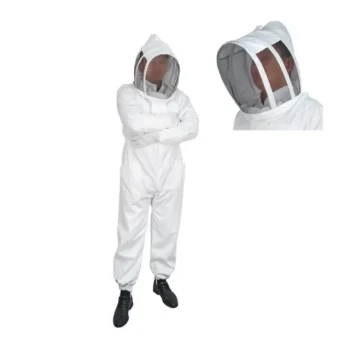
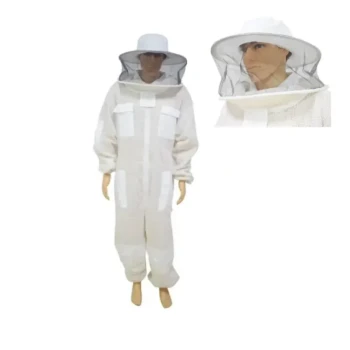
- Premium Cotton Beekeeper Suit with Reinforced Fencing Veil
- Beekeeping Jacket with Hood and Veil for Beekeepers
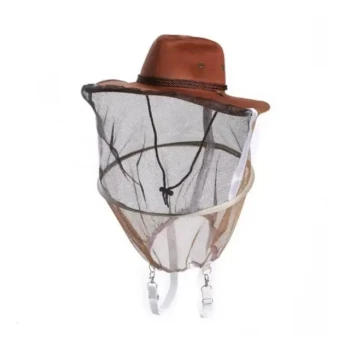
- Premium Cowboy Beekeeper Hat with Visibility Veil Outdoor Professional Beekeeping Protective Gear
- White Cotton Beekeeping Jacket and Veil for Bee Keepers
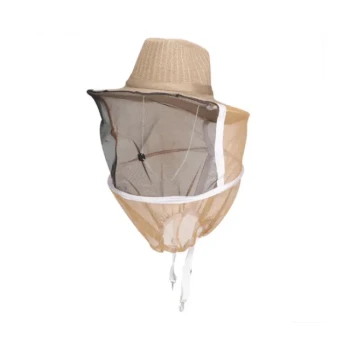
- Beekeeper Cowboy Hat and Veil for Beekeeping
People Also Ask
- What material and design specifications are recommended for a high-quality beekeeper suit? Top Gear Selection Guide
- How to Pre-treat Propolis Stains on Beekeeping Suits? Master Advanced Fabric Care and Soil Removal
- What features should be considered for sting protection in a beekeeping suit? Ensure Total Safety and Comfort
- What are the differences between full suits and jackets with veils in beekeeping? Choose Your Best Protection
- What features should be looked for in a beekeeping suit for maximum comfort? Prioritize Ventilation and Fit